
Why Ignoring A Small Roof Leak Can Lead To Big Problems
A small roof leak can feel like no big deal at first. Maybe you notice a tiny drip or a faint smell in the hallway. You tell yourself you will check it later. But days turn into weeks, and that small issue can grow into something much worse. Water has a way of spreading quietly. It moves through wood, insulation, and walls before you even realize what is happening.
Homeowners who act early often save money, time, and stress. The key is knowing what to look for. When you understand the warning signals, you can stop the problem before it damages your home. Many people rely onprofessional restoration services once water starts affecting the inside of their home, but catching it early is always the better choice.
Early Roof Leak Signs Every Homeowner Should Know About Roof Leak Signs
Understanding roof leak signs is essential for maintaining the integrity of your home. Recognizing these warning signals early can prevent costly damages.
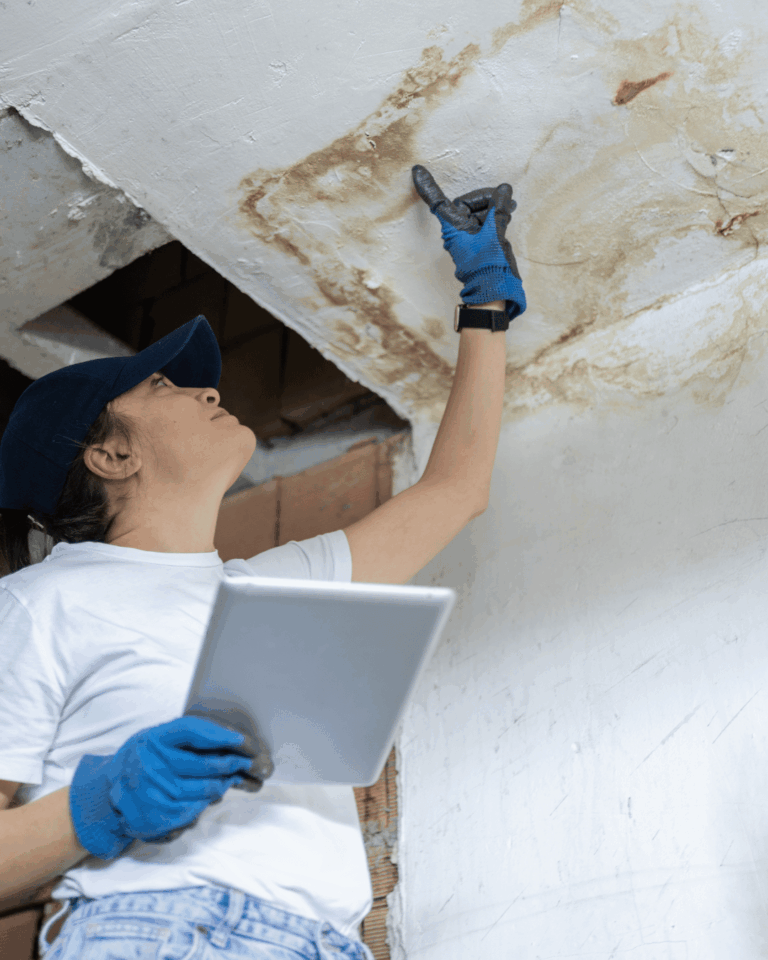
The first roof leak signs are usually small and easy to miss. You might see a faint discoloration or feel a slight dampness in the air. These signs may not seem urgent, but they are your home’s early warning system. One common sign is a small stain on the ceiling. It may look light yellow or brown. Over time, that mark can grow larger and darker. These ceiling stains often mean water has been sitting above the surface for a while.
By staying alert for roof leak signs, homeowners can address issues proactively and ensure their living environment remains safe and dry.
Recognizing these roof leak signs can save you significant time and money in repairs.
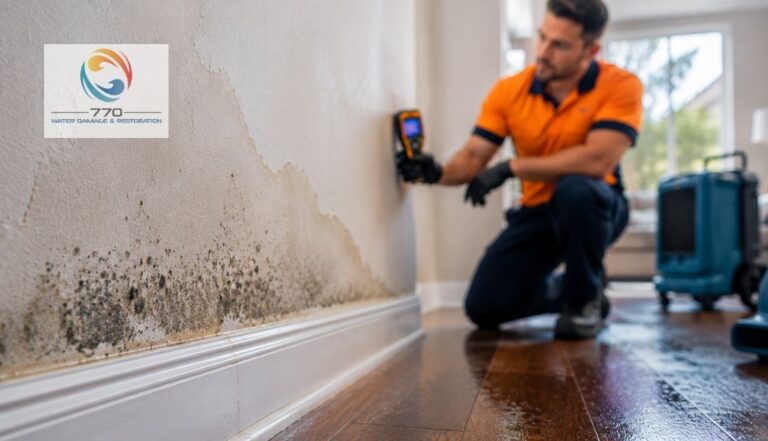
Another early clue is peeling or bubbling paint. When moisture builds behind walls or ceilings, it weakens the paint. You may see cracks, bubbles, or soft spots. This is not just a cosmetic issue. It usually means water is trapped inside. A musty smell is also a strong warning. If a room smells damp even when it is clean, there could be hidden moisture. This is especially common in upper floors or near the attic. In Hermosa Beach, where coastal weather can bring moisture and salt air, these small signs can appear faster. Paying attention early can make a big difference.
Why Small Roof Leaks Turn Into Big Home Problems
A leak rarely stays in one place. Water travels along beams and surfaces. It can move far from the original entry point. That is why damage often shows up in a different room than where the leak started.
Here is how a small leak grows into a bigger problem:
- Water enters through a small opening in the roof
- It spreads through insulation and wood
- Moisture builds up and weakens materials
- Mold may begin to grow in hidden areas
- Visible damage appears inside the home
By the time you see clear damage, the problem has already been there for a while.
Homes in Hermosa Beach are especially at risk because of the humid coastal environment. Moisture does not dry as quickly, which allows damage to spread faster. If water has already moved into walls or ceilings, you may need help fromlocal restoration specialists to properly dry and repair the area.
Indoor Warning Signs You Should Never Ignore
Your home will often show clear signs when something is wrong. The trick is knowing what to look for and acting quickly.
Here are common indoor warning signs:
- Water dripping or dripping sounds
- Soft or sagging drywall
- Warped walls or ceiling areas
- Mold spots near the ceiling
- Damp carpet or flooring near walls
- A sudden increase in humidity
These are all possible roof leak signs that should not be ignored.
You might also notice changes that seem unrelated at first:
- Doors that stick or do not close properly
- Cracks forming near ceiling corners
- Paint chipping in only one area
- Allergy symptoms that get worse indoors
These can all connect back to hidden moisture.
Outdoor Roof Issues That Often Lead To Leaks
Sometimes the warning signs appear outside first. You do not need to climb onto the roof to notice them. A simple visual check from the ground can reveal a lot.
Look for these signs:
- Missing or loose shingles
- Curled or cracked edges
- Dark patches that stay wet
- Debris buildup in roof valleys
- Damaged flashing around vents or chimneys
Shingles damage is one of the most common causes of leaks. When shingles break or move out of place, water can slip underneath them. Another issue is clogged gutters. When water cannot flow away properly, it backs up and seeps into the roof edges. Checking your roof after storms is a simple way to catch problems early.
How An Attic Inspection Can Reveal Hidden Moisture
Many leaks start in places you cannot see from inside your living space. That is why an attic inspection is so important.
The attic is often the first place where water damage appears. You may find:
- Damp or compressed insulation
- Dark spots on wooden beams
- Rusty nails or metal parts
- Small beams of light coming through the roof
These are clear signs that water is getting in.
An attic inspection does not need to be complicated. Use a flashlight and look for anything that seems unusual. If you are unsure, it is best to call a professional. Doing a regular attic inspection can help you catch problems before they reach your walls and ceilings.
Common Causes Of Roof Leaks In Homes
Understanding what causes leaks can help you prevent them. Most leaks are not caused by one big event. They usually come from small issues over time.
Here are common causes:
- Aging roofing materials
- Poor installation of flashing
- Storm damage from wind or rain
- Blocked gutters and drainage systems
- Cracks around vents or skylights
Shingles damage is another major cause. Over time, sun and weather can weaken shingles, making them less effective at keeping water out. In coastal areas like Hermosa Beach, salt air can also wear down materials faster. Regular maintenance becomes even more important in these conditions.
What Water Damage Can Do If A Leak Is Left Untreated
When a leak is ignored, the damage spreads. It does not just stay in one spot. It can affect many parts of your home.
Here is what can happen:
- Insulation becomes wet and loses effectiveness
- Wood framing begins to rot
- Mold starts to grow in hidden areas
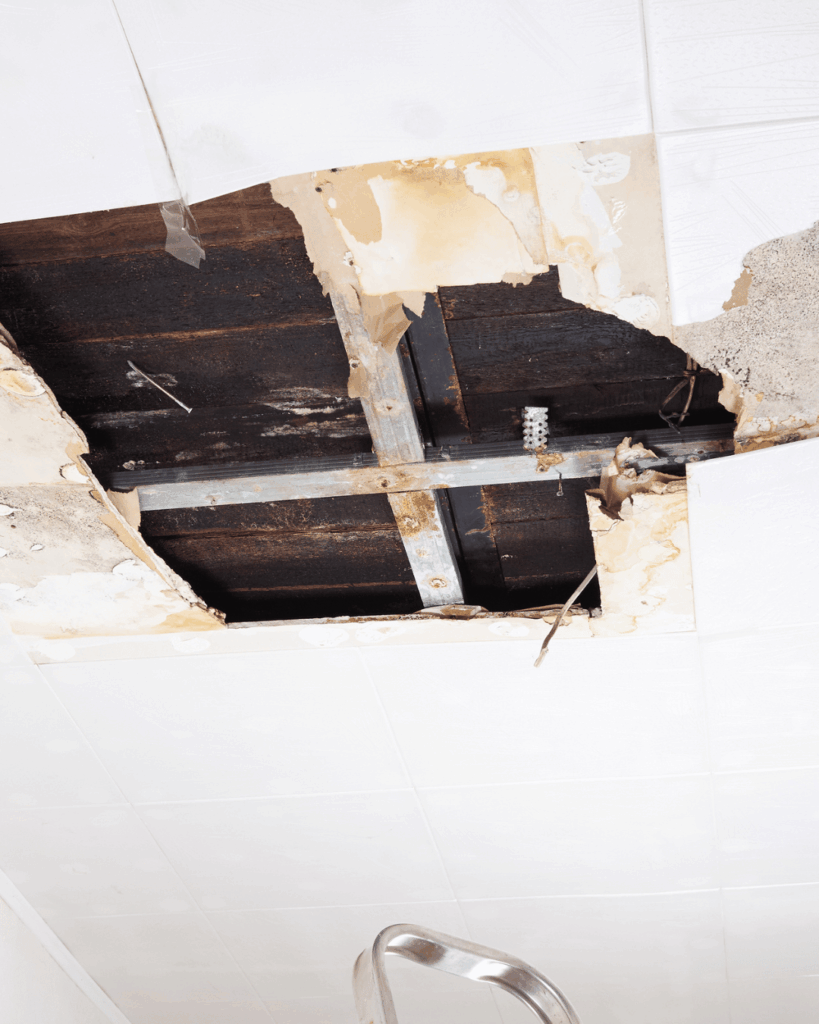
- Walls and ceilings weaken and sag
- Electrical systems may become unsafe
This is why early action is so important. Fixing a small leak is much easier than repairing major water damage. For homeowners in Hermosa Beach, acting quickly can prevent long-term problems caused by moisture buildup.
Simple Roof Checks Homeowners Can Do After Storms
You do not need special tools to check your roof after a storm. A simple routine can help you stay ahead of problems.
Follow these steps:
- Walk around your home and look at the roof
- Check for missing or loose shingles
- Look for debris in gutters
- Go inside and check ceilings for new stains
- Smell for any damp or musty odors
These quick checks can help you spot roof leak signs before they become serious. Even spending a few minutes after a storm can save you from bigger repairs later.
When Roof Repairs May Not Be Enough
Sometimes fixing the roof is only part of the solution. If water has already entered the home, the inside may need attention too.
For example:
- Wet insulation may need to be replaced
- Mold may need to be removed
- Walls and ceilings may need repair
- Flooring may need drying or replacement
This is where restoration services come in. They help remove moisture and prevent further damage. Ignoring the inside damage can lead to ongoing problems, even after the roof is fixed.
Protecting Your Home From Future Roof Leak Damage
Prevention is always better than repair. Taking small steps now can protect your home later.
Here are some simple tips:
- Clean gutters regularly
- Check your roof after storms
- Trim trees near your home
- Schedule regular inspections
- Watch for early warning signs
Staying alert is the best way to protect your home. Your house will often give you clues before serious damage happens.
If you live in Hermosa Beach, regular checks are even more important because of the coastal climate. Moisture and salt air can speed up wear on roofing materials. In the end, the goal is simple. Catch problems early, act quickly, and protect your home from bigger damage. Learning to recognize roof leak signs can save you from costly repairs and give you peace of mind.