
A Smoky Home Can Feel Clean But Still Hide Trouble
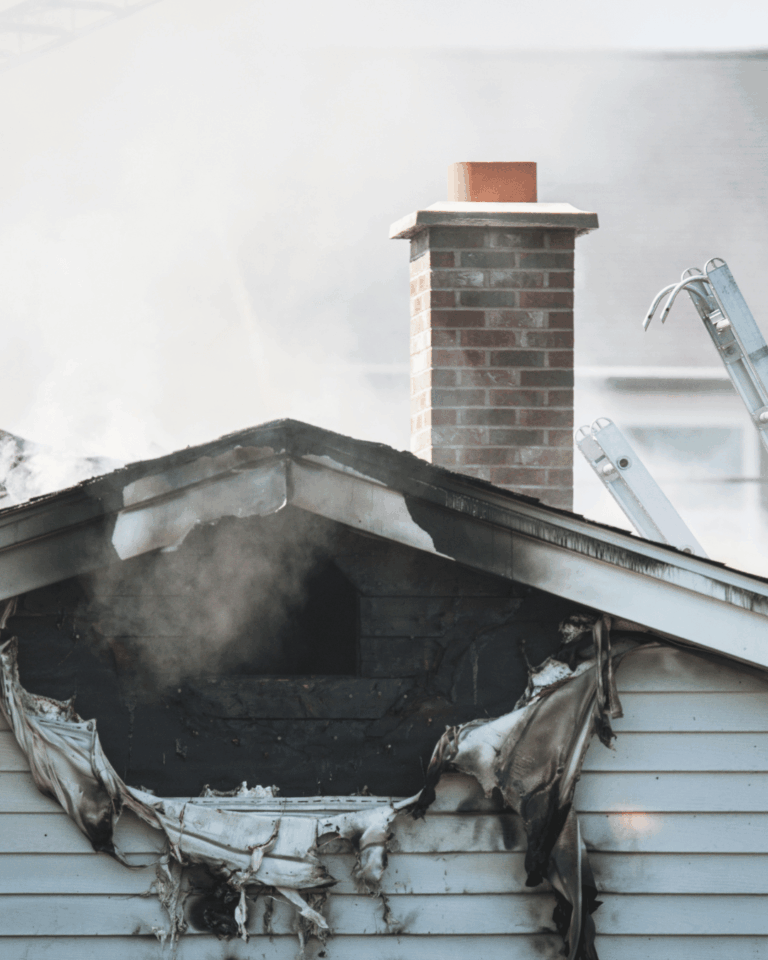
Smoke has a way of sneaking into places people do not expect. After a kitchen fire, a nearby wildfire, a garage flare-up, or a small electrical fire, most homeowners focus on what they can see first. They wipe soot from counters. They wash walls. They throw away damaged items. They open windows and hope the smell will fade. Then the air conditioner or heater turns on. That is when the smell often comes back.
A family may think the fire is behind them, but the home still feels heavy. The air may smell stale, sharp, smoky, or burned. Some rooms may smell worse than others. A child may cough more at night. A parent may notice headaches. Guests may ask if something burned, even weeks later.
This is why indoor cleanup after smoke is not only about the surfaces you can touch. It is also about the hidden spaces that move air through the home. Your duct system can carry smoke odor, soot, ash, and fine debris from one room to another. When the system runs, those hidden leftovers may enter the living space again and again.
For homeowners who want help after a fire or smoke event, a trusted local team can guide the next steps. You can learn more aboutprofessional restoration helpand how cleanup should protect both the structure and indoor comfort.
Air Duct Cleaning After Smoke Exposure: Restoring Clean And Healthy Indoor Air
Air duct cleaning after smoke exposure is essential because smoke particles and soot can travel through your HVAC system, spreading odors and contaminants into every room of your home. Without proper air duct cleaning after smoke exposure, these particles continue circulating, making the air feel stale and unhealthy.
Effective air duct cleaning after smoke exposure involves removing built-up soot, ash, and odor-causing residues that settle inside vents, filters, and duct walls. Professional air duct cleaning after smoke exposure helps ensure that hidden contaminants are fully cleared instead of being pushed back into your living space.
For long-term results, air duct cleaning after smoke exposure should be paired with filter replacement and system inspection to prevent lingering odors from returning. Regular air duct cleaning after smoke exposure helps restore fresh airflow and improves overall indoor air quality in your home.
Why Air Duct Cleaning After Smoke Exposure Matters After Fire Damage
Air ducts are like the breathing paths of a home. They connect rooms, vents, filters, and the heating and cooling system. When smoke enters a house, it does not stay in one neat spot. It rises, spreads, and follows airflow. It can move behind doors, under gaps, through hallways, into closets, and into returns.
Smoke residue is sticky. It clings to metal, plastic, insulation, dust, and filter edges. Even after the visible mess is gone, tiny bits of soot can remain inside ducts. These bits may hold odor and may be pushed back into the home when the system starts.
If a home has had a fire, it is smart to ask about Fire Damage Restoration El Segundo services early. The right team can check the damage, explain what needs cleaning, and help prevent smoke from spreading deeper into the home.
Think of it like spilling coffee on a table. Wiping the top may help. But if coffee drips into the cracks, the smell and stain may stay until those hidden areas are cleaned. Smoke works in a similar way. It can settle in small spaces that are easy to miss.
Common smoke sources that may affect ducts include:
- Kitchen grease fires
- Fireplace smoke blowback
- Candle or electrical fires
- Garage smoke that enters the home
- Smoke from nearby wildfires
- Smoke from a burned appliance
- Smoke from a room fire that was put out quickly
Even a short smoke event can leave a strong odor. The smell may seem worse when the HVAC system runs because air movement wakes up the residue.
What Smoke Can Leave Behind Inside Your Ducts
Smoke is not just a smell. It is a mix of gases, soot, ash, and residue from burned materials. Wood smoke is different from plastic smoke. Grease smoke is different from electrical smoke. Each type can leave a different film inside the home.
Inside ducts, smoke may leave:
- A gray or black soot layer
- A sticky film on duct walls
- Dirty filter buildup
- Odor trapped in dust
- Fine debris around vent covers
- Contaminated insulation near the system
A simple way to picture it is to imagine flour floating through a kitchen after a bag spills. Some falls on the counter, but some lands on shelves, chair legs, cabinet tops, and floor corners. Smoke does the same thing, but the pieces can be much smaller and harder to see.
This is where HVAC cleaning can become an important part of recovery. The goal is not just to make a vent look clean. The goal is to reduce the smoke leftovers in the system so the home can feel normal again.
Many customers ask, “Can I just change the filter?” A new filter can help, but it may not solve the whole problem. The filter catches some material, but smoke may already be in the ducts, blower area, registers, and return lines. If the system ran during the smoke event, it may have pulled smoky air through the equipment.
Signs Your Air Ducts May Need Attention
Not every smoke event causes the same level of duct contamination. Still, there are warning signs that tell you the system should be checked.
Watch for these signs:
- The smoky smell comes back when heating or cooling starts.
- Some rooms smell stronger than others.
- You see dark dust near vent covers.
- The filter turns gray or black quickly.
- People in the home cough, sneeze, or feel throat irritation indoors.
- The home feels clean, but the odor will not go away.
- You notice soot streaks around registers.
- The fire happened near a return vent or air handler.
A home in El Segundo may also face smoke from coastal winds, nearby traffic, cooking events, or regional fire smoke. When smoke enters and the system runs, the air ducts can become part of the problem.
air duct cleaning after smoke exposure is often needed when odor returns after surface cleaning. That odor is a clue. It can mean smoke residue is still hiding where normal cleaning cannot reach.
Why Indoor Air Can Feel Worse After Smoke Damage
After smoke exposure, a home may look safe before it feels safe. That can be frustrating. You may mop, repaint, clean cabinets, wash curtains, and still notice a burned smell in the hallway.
One reason is airflow. Air does not move through a home in a straight line. It swirls. It passes through vents. It slips under doors. It rises with heat and drops as it cools. If soot or smoke residue is inside the duct system, the air can pick up those odors as it moves.
Another reason is dust. Dust acts like a sponge for smells. If smoke settles into dust inside the ductwork, the odor can linger. Each time the system turns on, that dusty odor can move through the rooms again.
This is also why vent cleaning can help as part of a larger plan. Registers and vent covers often collect visible soot, dust, and sticky residue. Cleaning these parts can reduce odors near the room openings and make the home feel fresher.
Can Smoke Residue Affect Health And Comfort?
Many people want to know if smoke in ducts is only a smell problem. It can be more than that. Smoke residue may bother the eyes, nose, throat, and lungs, especially for children, older adults, and people with asthma or allergies.
Smoke can carry airborne particles that are small enough to move through indoor air. These particles may settle on surfaces or get pulled into the duct system. If they are disturbed later, they may affect comfort again.
Common complaints after smoke exposure include:
- Scratchy throat
- Watery eyes
- Headaches
- Coughing
- Stuffy nose
- Trouble sleeping
- Strong odor when the system runs
- A dirty or heavy feeling in the air
No one wants to live in a home that smells like the fire is still there. A clean indoor space helps people relax after a stressful event. That peace of mind matters.
What A Professional Duct Inspection May Include
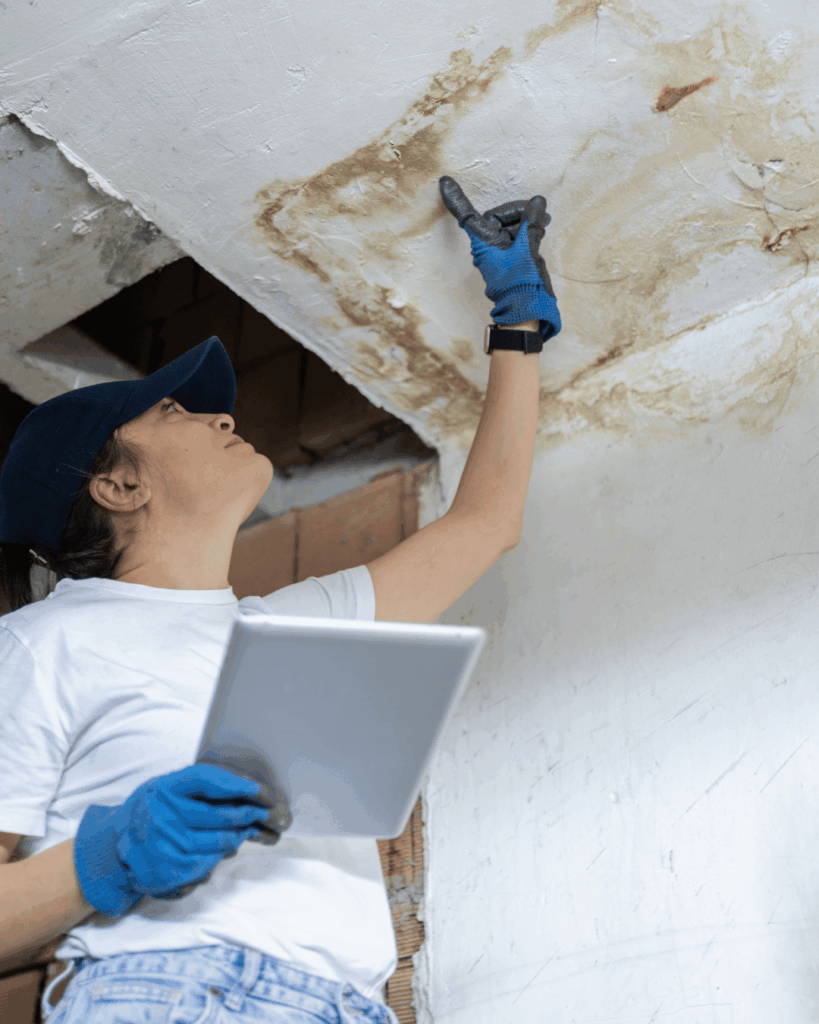
A good inspection should not feel rushed. The technician should ask what happened, where the smoke started, how long it lasted, and whether the HVAC system was running. These details help show how far smoke may have traveled.
A careful inspection may include:
- Checking supply vents and return vents
- Looking for soot around registers
- Checking the air filter
- Inspecting the blower area
- Looking inside accessible duct sections
- Checking for odor near vents
- Asking which rooms smell the strongest
- Looking for fire, water, or extinguisher residue near the system
The technician may also explain whether the duct system needs cleaning, sealing, filter replacement, deodorizing, or further fire cleanup. In some cases, ducts may need special attention because smoke has reached insulation or flexible duct materials.
HVAC cleaning should be done with care after smoke. Rough cleaning can stir up debris if the system is not handled properly. The goal is controlled removal, not spreading the problem.
What Happens During The Cleaning Process
The exact steps depend on the home, the duct type, and the level of smoke damage. Still, many cleanings follow a basic plan.
A professional may:
- Protect the home before work starts
Floors, nearby furniture, and work areas may be covered. - Turn off the system
The HVAC system should not spread dust during cleaning. - Remove and clean vent covers
Covers may be washed or wiped to remove soot and odor film. - Use equipment to loosen debris
Brushes, air tools, or other approved tools may help remove buildup. - Capture dust and soot
A vacuum system may collect loosened material so it does not spread. - Clean accessible system parts
The blower, return area, and other reachable parts may need attention. - Replace filters
Smoke-exposed filters should be replaced, sometimes more than once. - Address odor
Safe deodorizing methods may be used when needed. - Test the system
The technician may run the system and check for remaining odor.
air duct cleaning after smoke exposure should be part of a full indoor recovery plan, not a quick spray of fragrance. Strong perfumes can cover odor for a short time, but they do not remove soot.
Why Surface Cleaning Alone Is Often Not Enough
After a fire, homeowners often work hard to clean. They may scrub floors, wash bedding, wipe counters, and clean walls. These steps matter. But if the ducts are still dirty, the home may not stay fresh.
Imagine cleaning a room while a dusty fan keeps blowing across it. The room may look better for a day, but dust can return. The same idea applies to smoke in the air system.
Surface cleaning may miss:
- Inside return ducts
- Inside supply ducts
- Filter slots
- Blower compartments
- Vent backs
- Duct joints
- Hidden dust inside the system
This is why fire cleanup should include both visible and hidden areas. A good plan treats the house as one connected space. Walls, floors, contents, ducts, and the HVAC system all work together to affect indoor comfort.
When Should You Schedule Duct Cleaning After Smoke?
Timing matters. If the home is still unsafe, the first step is always safety. Fire officials, restoration crews, or property experts may need to clear the space first. Once the home can be inspected, the duct system should be checked before normal use continues.
You should schedule an inspection soon if:
- Smoke moved through several rooms
- The system ran during the fire
- The smell returns after cleaning
- Soot is visible near vents
- The fire involved plastic, grease, or chemicals
- The home has children, seniors, or people with breathing issues
- A nearby wildfire caused smoke to enter the home
For an El Segundo family, quick action can also help stop odor from settling deeper into fabrics, furniture, and building materials. Smoke odors often become harder to remove the longer they sit.
Common Questions Homeowners Ask After Smoke Damage
Many people have the same questions after a smoke event. The answers below can help you decide what to do next.
What if the fire was small?
Even a small fire can create a lot of smoke. A pan fire, toaster fire, or small electrical issue can send smoke into nearby rooms. If the HVAC system pulled that smoke into the return, ducts may need to be checked.
Can I clean the vents myself?
You can wipe vent covers and replace the filter. That is a good first step. But deeper duct areas need the right tools. It is easy to push soot farther in if you do not have proper equipment.
Will duct cleaning remove all smoke smell?
It can help a lot, but it depends on where the odor is hiding. Smoke may also be in walls, ceilings, carpets, furniture, attic areas, or insulation. Duct cleaning works best when it is part of a full fire damage cleanup plan.
How long does the smell last?
Smoke smell can last for days, weeks, or even longer if residue remains. Heat and humidity can make odors stronger. Running the system can also bring back the smell if ducts are contaminated.
Should I replace my filter?
Yes. A smoke-exposed filter should be replaced. In some homes, filters may need to be replaced more than once during recovery.
Can smoke damage the HVAC system?
It can. Soot and residue may affect parts of the system if the unit pulled in smoky air. A technician can check whether cleaning or service is needed.
What Makes Smoke Cleanup Different From Normal Dust Cleaning
Normal dust is one thing. Smoke residue is another. Smoke can be sticky, oily, acidic, and strong-smelling. Some smoke comes from burned food. Some comes from plastics, wiring, paint, or treated wood. These materials can leave different types of residue.
That is why smoke cleanup takes more care than regular dust removal. The technician must think about the source of the smoke, where it traveled, and what it touched.
vent cleaning may be part of this process, but the deeper issue is the whole air path. The system should be looked at from returns to supplies, not just the covers you can see.
Simple Steps To Take Before Help Arrives
While you wait for a professional inspection, there are a few safe steps that may help. Only do these if the home is safe to enter.
- Do not run the HVAC system if smoke odor is strong.
- Replace the air filter if you can do so safely.
- Open windows only if outdoor air is clean.
- Take photos of soot near vents.
- Do not spray heavy fragrances into vents.
- Keep children and pets away from smoky rooms.
- Make a list of rooms with the strongest odor.
- Save details about when the fire happened and whether the system was on.
These notes can help the restoration team understand the path of smoke. They can also help avoid missed areas.
Why Local Experience Matters During Fire Cleanup
Fire damage is stressful. People want clear answers, not confusing words. A local team understands common home layouts, local air conditions, and the needs of nearby property owners. In El Segundo, homes and businesses may have different duct layouts, ages, and airflow concerns. Some properties may have older ducts. Others may have tight spaces or upgraded systems.
A good team should explain the process in plain English. They should tell you what they found, what they recommend, and why. They should also be honest if duct cleaning is only one part of the solution.
Look for a team that can:
- Inspect the visible and hidden damage
- Explain the smoke path
- Protect clean areas during work
- Clean with proper equipment
- Address odor at the source
- Recommend filter changes
- Coordinate with broader fire cleanup needs
- Answer questions without pressure
The Real Reason Clean Ducts Matter Indoors
After a smoke event, the goal is not just to make the house look clean. The goal is to make it feel livable again. You want to breathe without smelling smoke. You want your bedroom to feel calm. You want the living room to welcome guests. You want the air to feel lighter when the system turns on.
air duct cleaning after smoke exposure supports that goal because it deals with one of the hidden paths smoke may use to stay inside. It helps reduce the chance that old soot and odor will keep moving through the home.
Fire cleanup is not only about damage. It is about comfort, safety, and trust. When the air smells clean again, families often feel like the worst part is finally behind them.
Final Thoughts On Restoring Clean Indoor Air
Smoke can travel farther than the flames. It can hide in dust, vents, filters, and duct walls. That is why indoor recovery after a fire should include a careful look at the air system. The sooner hidden smoke residue is found and handled, the easier it may be to restore comfort.
A clean home should not smell like yesterday’s fire. If smoke odor returns when the HVAC system starts, do not ignore it. That smell is a sign that something may still need attention. With the right inspection, cleaning plan, and restoration support near El Segundo, your home can feel fresh, calm, and safe again.