
What Smoke Odor In House Means For Comfort, Safety, And Clean Indoor Air
Smoke can change the way a home feels in just a few minutes. You may walk into the living room and notice that the air feels heavy. You may smell it on the couch, in the hallway, or even on clean clothes inside a closet. At first, it may seem like a small problem. You open a few windows, spray a cleaner, and hope the smell will fade. But smoke often stays longer than people expect.
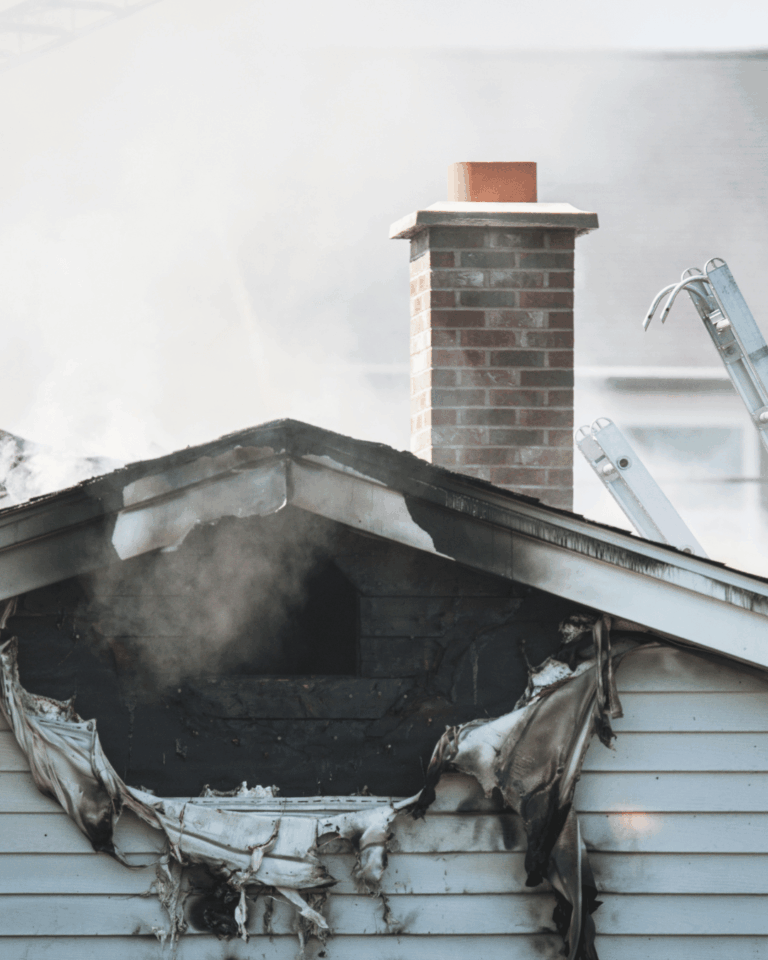
A smoke odor in house concern is not only about a bad smell. It can mean smoke particles are sitting on walls, ceilings, floors, furniture, curtains, vents, and personal items. These particles are tiny, so you may not see them. Still, they can keep releasing odor into the air.
For example, picture a family in Calabasas after a small kitchen fire. The pan is cleaned, the trash is taken out, and the windows are opened. The room looks normal again. But later that night, the family notices the smell in the bedrooms. By morning, it is in the hallway too. This happens because smoke travels fast and sticks to many surfaces.
If the smell does not fade after basic cleaning, it may be time to speak with a trusted restoration team. Professional help can make a big difference because smoke cleanup is more than wiping surfaces. It often takes careful inspection, deep cleaning, and proper odor treatment.
Smoke odor can affect comfort in many ways:
- It can make the home feel dirty, even after cleaning.
- It can cling to bedding, clothes, and soft furniture.
- It can make guests notice the smell right away.
- It can make people worry about the air they breathe.
- It can bring back stress from the fire or smoke event.
Your home should feel calm when you walk through the door. When smoke smell stays, that comfort can disappear.
Smoke Odor in House: Restoring a Fresh and Clean Indoor Environment
Smoke odor in house can quickly make living spaces feel uncomfortable, especially when the smell lingers on furniture, curtains, carpets, and walls after cooking, smoking, or fire damage. Addressing smoke odor in house early helps prevent the smell from settling deeper into porous materials and becoming harder to remove.
Dealing with smoke odor in house requires more than surface cleaning because smoke particles can spread through ventilation systems and hidden corners of the home. Proper smoke odor in house removal often involves deep cleaning, air purification, and treating affected areas to neutralize trapped odors.
To fully eliminate smoke odor in house, improving airflow and maintaining regular cleaning routines is essential for preventing the smell from returning. With consistent smoke odor in house treatment, your home can feel fresher, healthier, and more comfortable to live in again.
Why Smoke Smell Can Stay Long After A Fire
Smoke is stubborn because it does not stay in one place. It moves with air, heat, and pressure. It can travel under doors, through vents, into closets, and behind furniture. Even a small fire can leave a strong odor if smoke reaches soft or porous materials.
A lingering smoke smell often stays because smoke particles get trapped inside items like:
- Carpets
- Rugs
- Sofas
- Mattresses
- Curtains
- Clothing
- Wood cabinets
- Drywall
- Air vents
- Insulation
Hard surfaces can hold smoke too. Walls, ceilings, tile, glass, and countertops may all have a thin layer of soot or residue. Sometimes you can see it as gray or black dust. Other times, it is almost invisible.
This is why many homeowners look for Fire Damage Restoration Calabasas when simple cleaning does not work. A restoration team can look for hidden smoke paths and treat the areas that are keeping the odor alive.
There are also different types of smoke, and each one can act in a different way:
- Dry smoke
This comes from fast-burning fires, such as paper or wood. It can leave fine powdery soot. - Wet smoke
This comes from slow-burning fires, often from plastic, rubber, or foam. It can feel sticky and smell strong. - Protein smoke
This often comes from burned food. It may leave little visible soot, but the smell can be very sharp. - Fuel smoke
This may come from oil, gas, or similar materials. It can be harder to clean and may need special care.
The type of smoke matters because the wrong cleaning method can make the damage worse. Some soot smears when touched with water. Some odor needs more than regular soap. That is why a clear plan is important.
How Smoke Odor Affects Indoor Air Quality
Clean indoor air should feel fresh and easy to breathe. When smoke is present, the air can feel thick, stale, or irritating. Even after visible smoke is gone, tiny particles may still float in the air or rest on surfaces.
Smoke may carry:
- Ash
- Soot
- Fine particles
- Burned material residue
- Strong odor gases
- Chemicals from damaged items
A smoke odor in house issue can also become worse when the heating or cooling system runs. If smoke particles enter the air ducts, the system may spread the smell from one room to another. This is why one smoky room can turn into a whole-home odor problem.
Indoor air can also affect how people feel. Some people may notice:
- Dry throat
- Watery eyes
- Headaches
- Coughing
- Sneezing
- Trouble relaxing
- Trouble sleeping
Children, older adults, and people with breathing problems may be more sensitive. Even if the smell seems mild, it should not be ignored when it keeps coming back.
Think of smoke odor like mud on shoes. If you only clean the floor in one room but keep walking through the house with dirty shoes, the mess spreads. Smoke works in a similar way. If the source is not handled, the odor keeps moving.
Common Causes Of Smoke Odor Inside A Home
Not every smoke smell comes from a large fire. Sometimes the cause is small but still serious. Homeowners may smell smoke from many sources, and each source needs the right response.
Common causes include:
- Burned food in the kitchen
- Fireplace smoke backing into the room
- Cigarette or cigar smoke
- Candle smoke
- Electrical overheating
- Appliance problems
- Garage fires
- Wildfire smoke entering the home
- Old smoke damage from a past event
In Calabasas, wildfire smoke can be a real concern. Smoke can enter through windows, doors, vents, attic spaces, and small gaps around the home. Even if the fire is not close to the property, the smell may settle indoors and stay on soft materials.
A kitchen fire is another common example. Grease smoke can rise to the ceiling, move through the exhaust fan, and settle on cabinets. The stove may look clean after scrubbing, but the upper cabinets, ceiling, and nearby walls may still hold odor.
Cigarette smoke is also difficult because it builds up over time. It can leave yellow stains on walls and ceilings. It may sink into carpets, drapes, and furniture. When a home has years of smoke exposure, the cleaning plan may need to be much deeper.
Why Air Fresheners And Candles Are Not Enough
Many people try sprays, plug-ins, candles, or scented cleaners when smoke smell appears. These can make a room smell better for a short time. But they usually cover the problem instead of solving it.
A lingering smoke smell needs more than perfume in the air. The smoke residue has to be cleaned or treated. If it stays in the home, the smell will often return.
Here is what usually does not fix the problem by itself:
- Spraying air freshener
- Lighting candles
- Mopping only the floor
- Opening windows for one afternoon
- Washing only visible stains
- Using strong perfume cleaners
- Painting over smoke-stained walls without cleaning first
Real deodorizing house work means treating both the air and the surfaces. The goal is not to hide the smell. The goal is to remove or neutralize what is causing it.
This is where odor source removal becomes important. If the odor is coming from a burned cabinet, smoky carpet, dirty vent, or damaged insulation, that source must be addressed. Otherwise, the smell can keep returning no matter how often the room is sprayed.
Signs You May Need Professional Fire Damage Restoration
Some small smoke odors go away with careful cleaning and fresh air. But other cases need professional help. If the smell is strong, spreads through the home, or returns after cleaning, it may be time for a deeper inspection.
You may need expert help if:
- The smell lasts more than a few days.
- The odor gets stronger when the AC or heater turns on.
- You see soot on walls, ceilings, or vents.
- Soft furniture smells smoky after cleaning.
- Clothes inside closets smell like smoke.
- The smell returns after using air fresheners.
- A fire happened inside the home.
- The smoke came from electrical or appliance damage.
- The odor makes people cough or feel unwell.
A smoke odor in house problem can also lower your confidence in your home. You may wonder if the air is safe. You may feel embarrassed when visitors come over. You may worry that the smell will never go away. These are common concerns, and they are valid.
Professional restoration teams are trained to find where smoke traveled. They can inspect rooms, materials, vents, and hidden areas. They can also choose cleaning methods based on the type of smoke and the amount of damage.
What Happens During A Smoke Odor Inspection
A good inspection is not just a quick look around. It is a careful check of the home to find where smoke went and what it touched.
During an inspection, a restoration worker may check:
- The room where the smoke started
- Nearby rooms and hallways
- Ceilings and upper walls
- Cabinets and closets
- Floors and carpets
- Furniture and fabric items
- HVAC vents and filters
- Attic or crawl space areas
- Soot patterns
- Water damage from firefighting efforts
They may also ask questions such as:
- When did the smoke problem start?
- Was there a fire, fireplace issue, or wildfire smoke?
- Which room smells the strongest?
- Does the smell get worse at certain times?
- Did the HVAC system run during the smoke event?
- What cleaning has already been done?
These questions help the team understand the path of the smoke. Smoke often moves in strange ways. It may leave one room with light odor and another room with a much stronger smell because of airflow patterns.
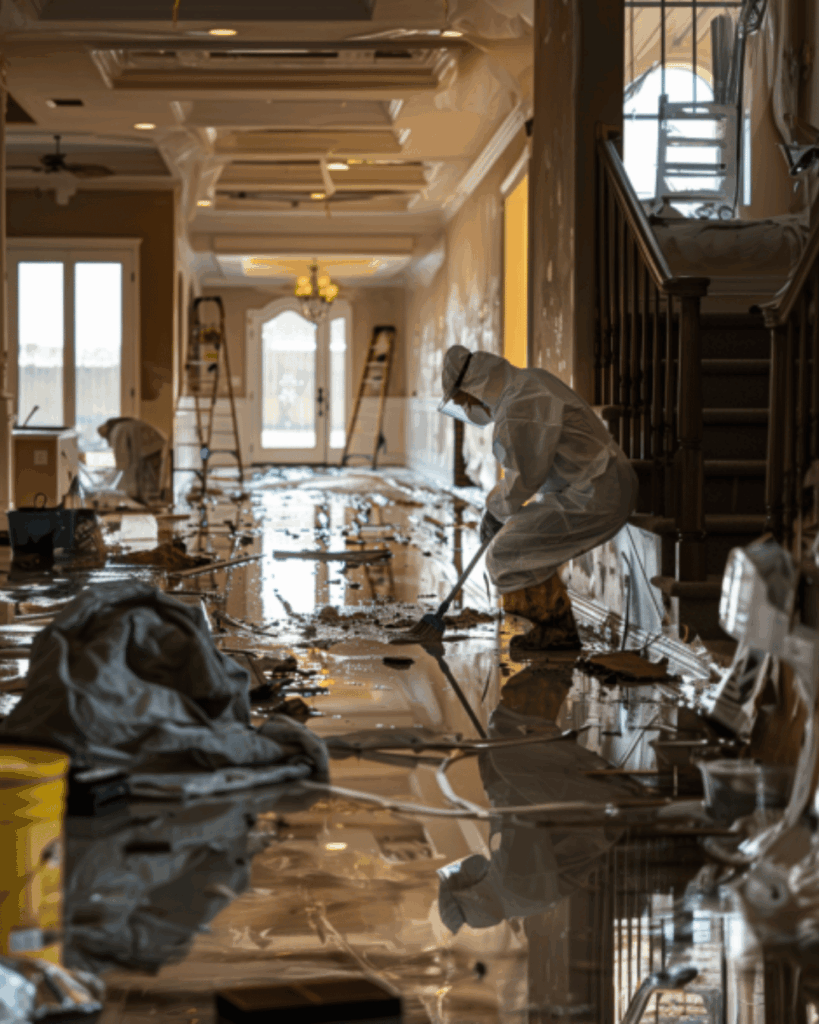
Fire Damage Restoration Steps That Help Remove Smoke Odor
Fire damage restoration can include several steps. The exact process depends on the damage, but many smoke odor jobs follow a similar path.
- Safety review
The property is checked for hazards. This may include electrical risks, weak materials, sharp debris, or heavy soot. - Damage inspection
The team looks at the affected rooms and items. They decide what can be cleaned, restored, or removed. - Ventilation
Fresh air may be brought in when safe. Special fans may help move dirty air out and improve airflow. - Soot removal
Soot is removed from surfaces using proper tools and cleaners. This step must be done carefully because soot can smear. - Deep cleaning
Walls, ceilings, floors, counters, cabinets, and other surfaces may need detailed cleaning. - Content cleaning
Items like furniture, rugs, clothing, books, and keepsakes may need special care. - Air filtration
Air scrubbers and filters may help remove small particles from the air. - Odor treatment
Professional odor tools may be used to treat the smell in the air and in affected materials. - Final check
The home is reviewed again to make sure the odor has improved and the space feels more comfortable.
Deodorizing house spaces after a smoke event often takes patience. It may involve more than one method because smoke can hide in many places at once.
How Smoke Odor Can Affect Your Daily Comfort
A smoky home can make everyday life harder. The smell may follow you from room to room. It can stick to your shirt after sitting on the couch. It can make clean sheets smell old. It can make meals less enjoyable because the kitchen still smells burned.
Home comfort is about more than furniture and paint colors. It is also about how the home feels, smells, and supports your daily life.
Smoke odor can affect:
- Sleep quality
- Mood
- Breathing comfort
- Cleanliness
- Guest visits
- Cooking
- Laundry
- Family routines
Imagine waking up and smelling smoke on your pillow. Then you walk into the kitchen and smell it again. Later, you pull a jacket from the closet and the odor is there too. That can make a home feel stressful instead of peaceful.
In Calabasas homes, smoke from nearby outdoor events can also make people feel trapped indoors. You may close the windows to keep smoke out, but the smell may already be inside. When that happens, cleaning and air treatment can help bring back a fresher feeling.
What Homeowners Can Do Right Away
If the home is safe to enter and there is no active fire, there are a few steps you can take before professional help arrives.
Helpful first steps include:
- Open windows if outdoor air is clean.
- Turn off the HVAC system if it is spreading the smell.
- Remove burned food, trash, or debris if safe.
- Wash smoky clothing and bedding separately.
- Replace basic HVAC filters.
- Keep children and pets away from smoky areas.
- Take photos of visible damage.
- Avoid touching heavy soot with wet cloths.
- Do not paint over smoke stains before proper cleaning.
It is also smart to write down what happened. Note the date, the source of the smoke, and the rooms affected. This can help with insurance and restoration planning.
Avoid using strong chemical cleaners without guidance. Some products can be harsh, and mixing cleaners can be dangerous. Also, do not use scented products as your main solution. They may make it harder to tell where the real odor is coming from.
When Smoke Smell May Point To A Hidden Danger
Sometimes smoke odor is not just an old smell. It may be a warning sign of an active problem. If you smell smoke and do not know where it is coming from, do not ignore it.
Possible hidden dangers include:
- Overheated wiring
- A failing appliance
- A blocked chimney
- A small fire inside a wall
- Smoke in the attic
- Damaged electrical outlets
- Burned insulation
- Soot inside vents
If the smell is sharp, like burning plastic or electrical parts, take it seriously. Turn off the suspected appliance or power source only if it is safe. Then call the right professional for help.
Fire damage is not always obvious. A small hidden issue can create odor before visible damage appears. Paying attention early can help prevent bigger problems.
Why Fast Cleanup Can Protect Your Home
Smoke residue can become harder to remove over time. The longer it sits, the deeper it can settle into materials. It may stain walls, yellow ceilings, and make fabrics harder to clean.
Fast cleanup may help protect:
- Sofas and chairs
- Carpets and rugs
- Cabinets
- Walls and ceilings
- Clothing
- Electronics
- Books and documents
- Family photos
- Keepsakes
Quick action can also stop the smell from spreading. People walking through the home may carry soot on shoes or clothing. The HVAC system may move particles into clean rooms. Pets may carry odor on fur or bedding.
A faster response can make the restoration process smoother. It can also help you feel more in control after a stressful event.
Common Questions About Smoke Odor And Fire Damage Restoration
Will smoke smell go away by itself?
Light smoke smell may fade with fresh air and cleaning. Strong smoke odor often needs deeper treatment.
Can I clean smoke damage myself?
You can clean light odor from washable items, but soot and deep smoke residue may need professional tools.
Can smoke odor stay in walls?
Yes. Walls, paint, drywall, and insulation can hold odor, especially after heavy smoke exposure.
Can smoke get into air ducts?
Yes. If the HVAC system ran during the smoke event, vents and filters may be affected.
Is smoke odor harmful?
Smoke particles can affect indoor air. If anyone feels sick, has breathing trouble, or has strong irritation, leave the area and seek help.
Can furniture be saved?
Sometimes. It depends on the material, smoke type, and how deep the odor has gone.
Should I repaint smoky walls?
Not right away. Walls should be cleaned first. In some cases, they may also need sealing before paint.
Restoring A Fresh, Comfortable Home After Smoke
Smoke odor can make a house feel less safe, less clean, and less welcoming. It can stay in places you do not expect, and it can return after simple cleaning. That is why smoke cleanup should focus on the source, the air, and the affected surfaces.
A smoke odor in house situation tells you that something in the home needs attention. It may be a small issue, or it may point to deeper smoke damage. Either way, the smell should not be ignored.
For homeowners in Calabasas, the right fire damage restoration plan can help bring back comfort and cleaner indoor air. Whether the smoke came from a kitchen fire, fireplace issue, cigarette smoke, electrical problem, or wildfire smoke, proper cleanup can make the home feel fresh again.
Your home should be a place where you can rest, breathe, and feel at ease. When smoke odor takes that away, careful restoration can help you get it back.