

A Small Fire Can Leave A Big Problem Behind
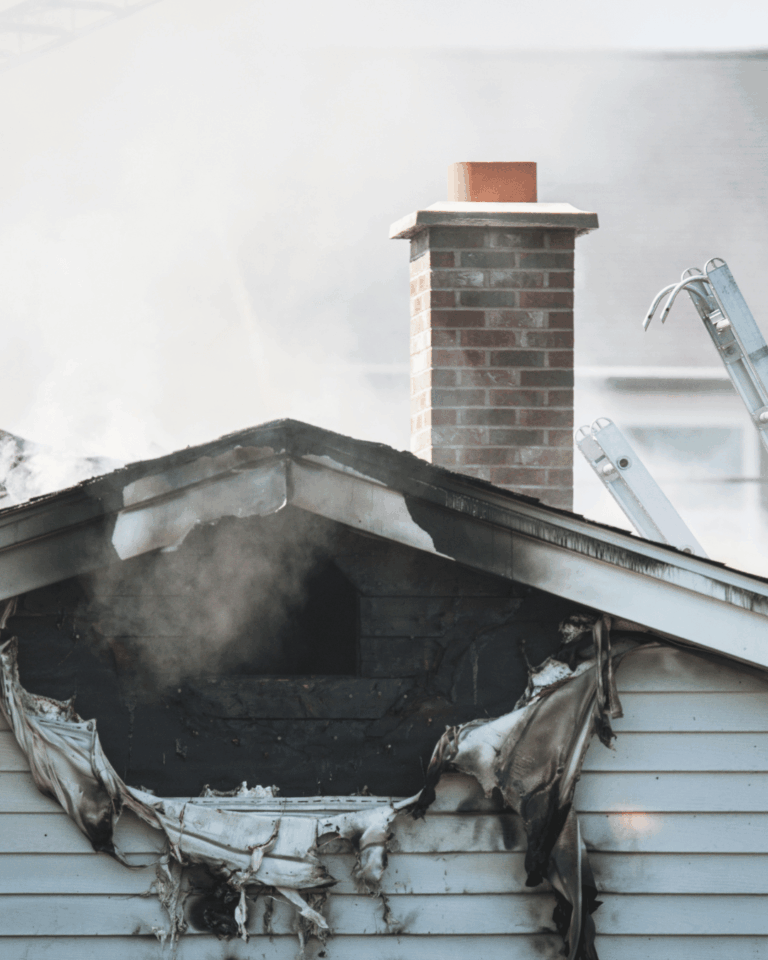
A house fire does not have to be large to leave a serious mess. Sometimes the fire is only in one room. It may start from a pan on the stove, a candle too close to curtains, a fireplace puff-back, or a short in a small appliance. The flames may go out fast, but the smoke can travel much farther than most people expect.
Picture this. You walk into your home after the fire is out. The kitchen looks dark near the stove. The air smells sharp and smoky. The living room has a gray film on tables and picture frames. You see soot on walls near the hallway, even though the flames never touched that area. It can feel strange and stressful because the fire looked small, but the damage seems to be everywhere.
That is why many homeowners look for trusted fire damage help as soon as they notice smoke stains or odor. Soot is not regular dust. It is made from burned materials. It can be dry, greasy, sticky, or acidic. If it is cleaned the wrong way, it can smear, stain, and sink deeper into surfaces.
Soot can land on:
- Walls
- Ceilings
- Floors
- Furniture
- Cabinets
- Curtains
- Clothing
- Air vents
- Electronics
- Light fixtures
The longer it stays, the harder it can be to remove. A fast and careful cleanup can help protect your home, your belongings, and your comfort.
Professional Soot Cleanup: Restoring Safety and Cleanliness After Fire Damage
Professional soot cleanup is important after fire or heavy smoke exposure because soot particles can spread quickly and settle on walls, ceilings, furniture, and ventilation systems. Without professional soot cleanup, these fine particles can cause permanent staining and ongoing indoor air quality issues.
Effective professional soot cleanup uses specialized equipment and techniques to safely remove oily soot residue from different surfaces without causing further damage. Professional soot cleanup often includes deep cleaning methods, HEPA vacuuming, and targeted treatments designed to lift stubborn buildup.
For best results, professional soot cleanup should also address hidden areas like air ducts and porous materials where soot can linger unnoticed. Reliable professional soot cleanup helps restore a healthier, cleaner, and more comfortable indoor environment after fire-related damage.
Why Professional Soot Cleanup Matters After A Fire
Professional soot cleanup is important because fire damage is not always easy to see. Smoke can move through doors, vents, hallways, and small cracks. It can reach rooms that were never touched by flames. A trained cleanup team knows how to follow the path of smoke and check for hidden residue.
For example, a homeowner in Encino may have a small kitchen fire. The stove area may look like the only damaged spot. But smoke may have moved into bedrooms, closets, and the air system. You may later notice smoke smells in clean-looking rooms. You may also find fine black dust on shelves or window frames.
When homeowners need local support, Fire Damage Restoration Encino can help them understand what kind of service may be needed after smoke and soot spread through a home.
A trained team does more than wipe surfaces. They inspect the home, choose the right cleaning method, remove odor, and help stop more damage from happening.
They may check:
- Where the fire started
- What burned
- How far smoke traveled
- Which rooms smell smoky
- Whether the air ducts were affected
- Which items can be cleaned
- Which items may need replacement
This matters because each type of fire can leave a different kind of soot. A grease fire may leave a sticky film. A fireplace problem may leave fine black dust. Burning plastic may leave a strong smell and harsh residue. One cleaning method will not work for every kind of damage.
What Soot Really Is
Soot is made of tiny particles left behind after something burns. These particles are very small, so they can float through the air before settling on surfaces. That is why soot can show up far from the fire.
Think of soot like black powder mixed with smoke smell. It may look light, but it can be tough to remove. It can cling to paint, wood, fabric, metal, glass, and plastic. Some soot wipes away easily at first. Other soot smears as soon as you touch it.
Common sources of soot include:
- Burned food
- Wood
- Paper
- Plastic
- Fabric
- Foam
- Grease
- Electrical parts
Soot can cause stains and odor. It can also damage surfaces over time. Some residue is acidic, which means it can slowly harm metal, glass, paint, and other materials. This is one reason waiting too long can lead to more repairs.
A home may also have surface contamination in areas that look clean. This means soot or smoke residue may be sitting on surfaces even if you do not notice it right away. A trained eye can spot patterns that most homeowners miss.
Why Diy Cleaning Can Make Soot Worse
Many homeowners want to start cleaning right away. That is normal. When your home smells like smoke, you want the mess gone fast. But soot is tricky. A wet rag, regular sponge, or household spray can make the stain worse.
If you wipe a smoky wall with a damp cloth, the soot may spread into long gray streaks. Instead of lifting the residue, the cloth pushes it across the paint. If the soot is oily, water may not work at all. If the cleaner is too strong, it may damage the surface.
DIY cleaning can lead to:
- Bigger stains
- Smudged walls
- Damaged paint
- Odor trapped deeper in fabric
- Scratched glass or metal
- Soot pushed into cracks
- Missed residue in vents and corners
This is why professional soot cleanup can save time and prevent extra damage. Experts use special tools and cleaning products made for smoke residue. They know when to dry clean, when to use a safe cleaner, and when a surface needs sealing or repainting.
They may use:
- Dry cleaning sponges
- HEPA-filtered vacuums
- Odor removal tools
- Safe surface cleaners
- Air scrubbers
- Protective gear
- Special cleaning methods for fabrics
Trying to clean without the right tools can turn a small problem into a bigger one.
Hidden Smoke Damage In Walls And Ceilings
Smoke rises, spreads, and follows airflow. That is why soot on ceilings is common after a fire. Even when the fire starts low, smoke can roll across the top of a room and settle above light fixtures, fans, corners, and vents.
Walls can also hold smoke stains. You may see dark marks near door frames, around outlets, or along baseboards. In some homes, smoke leaves shadow-like stains where pictures or furniture blocked the wall.
Watch for signs like:
- Gray or black streaks
- Yellow-brown stains
- Dark corners
- Smoke marks near vents
- Sticky residue
- A strong smell in one room
- Discoloration around ceiling fans
You may also notice soot on walls in rooms that seemed untouched. This happens because smoke can travel through the home before settling. If the heating or cooling system was running during the fire, soot may move even farther.
Cleaning walls and ceilings takes care. Flat paint, textured surfaces, and older paint can absorb soot faster. Some ceilings have small bumps that trap residue. If you scrub too hard, you can damage the texture or spread the stain.
A restoration team can test the residue and choose the safest method. This gives the surface a better chance of being cleaned without extra damage.
Smoke Odor Is More Than A Bad Smell
Smoke odor can stay in a home long after the fire is out. It can hide in carpets, furniture, curtains, closets, bedding, and air ducts. Opening windows may help for a short time, but it does not remove the source.
Think of smoke odor like spilled juice on a rug. The smell will not go away until the spill is cleaned from the fibers. Smoke works in a similar way. If soot particles remain in the home, the odor can keep coming back.
Common odor hiding places include:
- Sofas
- Mattresses
- Rugs
- Drapes
- Closets
- Cabinets
- Air vents
- Insulation
- Drywall
- Upholstered chairs
True odor removal starts with cleaning the residue. Then the home may need deodorizing. In some cases, soft items need special cleaning. In other cases, walls may need sealing before painting.
This is another reason professional soot cleanup is useful. It focuses on both the stain and the smell. The goal is not to cover the odor with sprays. The goal is to remove what is causing it.
Protecting Your Family’s Health And Comfort
Soot is not something you want floating around your home. Fine particles can bother your eyes, nose, throat, and lungs. Children, older adults, and people with asthma or allergies may feel the effects more strongly.
Even if no one feels sick, the home may still feel uncomfortable. A smoky smell can make it hard to relax. Black residue can make you nervous about touching surfaces. You may wonder if it is safe to sleep in certain rooms.
After a fire, it is smart to:
- Keep children and pets away from damaged areas
- Avoid touching soot
- Do not use fans near loose residue
- Do not run the HVAC system until it is checked
- Wear gloves if you must handle damaged items
- Take photos before moving things
- Call trained help for a full inspection
A clean home feels safer. It also helps your family return to normal routines faster. You can cook, sleep, and relax without being reminded of the fire every time you smell smoke.
Saving Belongings That May Look Ruined
After a fire, many items may look dirty or lost. But some belongings can be saved with the right care. This can be a huge relief, especially when the items have personal value.
Items that may be restored include:
- Wood furniture
- Dishes
- Glassware
- Clothing
- Books
- Photos
- Rugs
- Lamps
- Decor
- Some electronics
Not every item can be saved, but many can be cleaned if the damage is handled early. For example, dishes and glass may be cleaned if they were not heat-damaged. Clothing may need special washing. Wood furniture may need gentle cleaning and deodorizing.
Electronics need extra caution. Do not turn them on right after a fire. Soot can get inside and damage parts. Turning on a soot-filled device may cause more problems. A professional should inspect it first.
A restoration team can also help make an inventory. This list can include damaged items, photos, and notes. It may help if you need to file an insurance claim.
Insurance Support And Clear Documentation
Fire damage can be confusing when insurance is involved. Many homeowners are not sure what to clean, what to save, and what to throw away. Good documentation can make the process easier.
Before cleanup begins, take photos and videos if it is safe. Capture wide shots of each room and close-up photos of damaged items. Save receipts for hotel stays, supplies, or other emergency costs.
Helpful records include:
- Photos of affected rooms
- Photos of damaged belongings
- A list of items with smoke or soot damage
- Fire department reports, if available
- Cleaning estimates
- Repair invoices
- Notes about smoke odor and affected areas
A restoration company can describe the damage in clear terms. They may note where soot traveled, which rooms were affected, and whether smoke entered the air system. This can help explain why rooms far from the fire may still need cleaning.
For an Encino homeowner, this support can be helpful during a stressful time. Clear records can reduce confusion and help the claim process move more smoothly.
Why Fast Action Matters
Time matters after a fire. The longer soot sits, the more damage it can cause. Stains may set into paint. Odor may sink deeper into fabrics. Metal may begin to tarnish. Plastic may discolor. A small cleanup may become a larger repair.
Fast action can help:
- Reduce permanent staining
- Lower odor problems
- Protect furniture
- Save more belongings
- Prevent soot from spreading
- Support a smoother insurance claim
- Help your home feel normal sooner
This does not mean you should rush in and scrub everything. It means you should avoid mistakes and call trained help quickly.
Do not:
- Wipe soot with a wet towel
- Use a regular vacuum on soot
- Turn on ceiling fans
- Run the HVAC system before inspection
- Use strong chemicals without guidance
- Paint over smoke stains without cleaning first
- Throw away items before documenting them
If you see soot on ceilings, do not try to scrub above your head without knowing what type of residue it is. You may spread it or damage the surface. Careful cleaning is always better than rushed cleaning.
What To Expect During The Cleanup Process
A fire cleanup visit often starts with an inspection. The team checks the fire area first, then looks at nearby rooms. They may follow smoke patterns through the home. They may also check vents, closets, ceilings, and soft materials.
A simple cleanup plan may include:
- Safety review
- Damage inspection
- Photo documentation
- Removal of burned debris
- Soot cleaning
- Odor treatment
- HVAC review
- Belonging inventory
- Final walkthrough
The team may explain what can be cleaned and what needs repair. Some items may need to be taken off-site for special cleaning. Some areas may need repeated odor treatment. Some surfaces may need sealing before repainting.
A good team should speak in simple terms. You should understand what they are doing and why. Fire damage is stressful enough. The process should not feel like a mystery.
Local Concerns For Encino Homeowners
Homes in Encino can face fire and smoke concerns from indoor accidents and nearby outdoor smoke events. Even when flames do not reach the home, smoke can still leave odor and residue inside. Open windows, attic vents, and HVAC systems can allow smoke particles to enter.
Local homes may also have different materials that react to soot in different ways. Older homes may have textured ceilings or older paint. Newer homes may have modern finishes, large windows, and built-in systems. Condos and townhomes may have shared walls or shared ventilation concerns.
That is why a one-size-fits-all cleanup does not work. The right plan depends on the home, the fire source, and how far the smoke moved.
If you live in Encino and notice smoke stains, do not assume the problem is only on the surface. A full inspection can help you understand the real level of damage.
Peace Of Mind After Fire Damage
A fire can leave more than stains. It can leave worry. You may wonder if the smell will go away. You may wonder if your walls are clean enough. You may worry about your children touching smoky surfaces. You may feel unsure about what to do next.
That peace of mind is one of the biggest benefits of expert cleanup. A trained team can help you move from panic to a clear plan. They can explain what happened, what needs cleaning, and what steps come next.
The main benefits include:
- Cleaner air
- Less smoke odor
- Better protection for surfaces
- Safer handling of damaged items
- Better chance of saving belongings
- Fewer cleaning mistakes
- Clearer insurance records
- Faster return to normal life
Fire damage can feel overwhelming, but you do not have to handle it alone. Soot should be treated with care because it can spread, stain, and hide in places you may not expect. With the right cleanup process, your home can look better, smell fresher, and feel more comfortable again.
The best step is to avoid scrubbing, document the damage, keep your family away from affected areas, and call trained restoration help. A careful response can make a hard event easier to manage and help your home feel like home again.