
A Small Fire Can Leave A Big Mess Behind
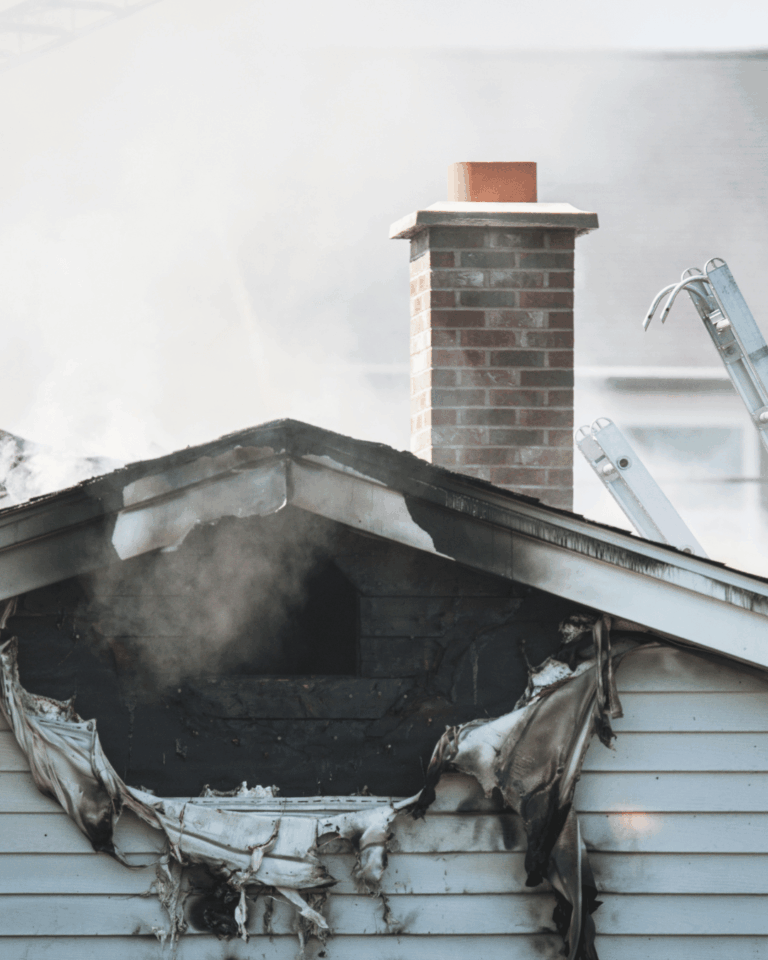
A small indoor fire can feel like it is over once the flames are out. Maybe a pan caught fire on the stove. Maybe a candle burned too close to a curtain. Maybe a fireplace sent smoke into the room, or an outlet sparked and left a sharp smell in the air. At first, everyone feels thankful that the danger has passed. Then the home starts to tell a different story.
There is a smoky odor in the hallway. The ceiling looks gray. The cabinets feel sticky. A thin dark film sits on tables, vents, shelves, and window frames. When someone touches the wall, the mark spreads instead of wiping away. That is when many homeowners think, “I can clean this myself.”
It is a natural thought. People want their home back. They want the smell gone. They want the walls clean again. But the dark mess left after smoke is not normal dust. It may contain tiny burned particles from wood, plastic, fabric, wiring, foam, paint, and other household materials. It can be oily, acidic, and unsafe to breathe.
That is why calling a trusteddamage restoration team early can make a big difference. The right crew knows how to inspect the home, protect clean rooms, remove smoke particles, and reduce odor without making the damage worse.
Soot Cleanup: Restoring Clean and Safe Living Spaces
Soot cleanup is essential after fire or smoke exposure because fine soot particles can settle on walls, ceilings, furniture, and vents, making your home look dirty and feel unsafe. Proper soot cleanup helps prevent these particles from spreading further and causing long-term staining or damage.
Effective soot cleanup requires more than just wiping surfaces since soot is oily and can deeply cling to materials like wood, fabric, and painted walls. Professional soot cleanup methods often include specialized vacuums, dry sponges, and cleaning agents designed to safely lift residue without pushing it deeper.
For lasting results, soot cleanup should also be paired with proper ventilation and odor control to fully restore indoor air quality and comfort. Regular soot cleanup after fire incidents ensures your home remains healthy, clean, and free from harmful residue buildup.
Soot Cleanup: Restoring a Clean and Safe Home After Fire Damage
Soot cleanup is a crucial step after fire or smoke damage because soot particles can quickly spread and settle on walls, ceilings, furniture, and hidden surfaces. Without proper soot cleanup, these residues can stain materials and create long-term damage that becomes harder to remove over time.
Effective soot cleanup involves more than simple wiping since soot is oily and tends to cling strongly to surfaces like wood, fabric, and painted walls. Professional soot cleanup methods use specialized tools and techniques to safely remove residue without pushing it deeper into porous materials.
For lasting protection, soot cleanup should also include improving ventilation and addressing lingering odors to fully restore indoor air quality. Consistent soot cleanup helps ensure your home stays clean, safe, and comfortable after any fire-related incident.
Why Soot Cleanup Is Different From Normal House Cleaning
Soot may look like simple dirt, but it does not act like simple dirt. Dust usually sits on top of a surface. Soot can cling, smear, stain, and sink into porous materials. It can travel through the air and settle far away from the original fire. It can also hide in places most people do not think to check, like air vents, closets, curtain folds, and the tops of door frames.
Professional Fire Damage Restoration is not just about making a room look clean. It is about finding where smoke traveled and choosing the safest way to clean each surface. A kitchen cabinet, painted wall, fabric chair, marble counter, and metal light fixture may all need different care.
For homeowners looking for Fire Damage Restoration Beverly Hills, the main concern is usually simple: “Can my home be safe and comfortable again?” The answer often depends on how quickly the damage is inspected and how carefully the cleanup is handled.
Think of a family in Beverly Hills after a small stove fire. The fire is put out fast. No one is hurt. The damage seems small, so they grab sponges, paper towels, and spray cleaner. They wipe the ceiling first. The gray mark spreads. They scrub the cabinet doors. The finish looks dull. They vacuum the floor, but the smell gets stronger when the vacuum blows air back into the room.
By trying to help, they have made the job harder. This happens often because smoke damage is tricky. It does not always show its full reach right away.
Common problems with DIY cleaning include:
- Wet sponges can smear oily residue into paint.
- Regular vacuums can blow fine particles back into the air.
- Scrubbing can push stains deeper into drywall or wood.
- Store-bought cleaners can damage delicate surfaces.
- Air fresheners can cover odor for a short time, then the smell returns.
- Dirty towels can carry particles into clean rooms.
A trained team looks before they clean. They check the source of the fire, the type of smoke, the surfaces affected, and the safest order of work.
Hidden Health Risks After Indoor Smoke Damage
After an indoor fire or smoke event, the air may look clear even when it is not clean. Tiny particles can stay in the air or settle on soft items. These particles may be small enough to breathe in. This can bother the eyes, nose, throat, lungs, and skin.
People with asthma, allergies, heart conditions, or breathing problems may feel symptoms faster. Children and older adults may also be more sensitive. Still, anyone can feel the effects after being around smoke-damaged materials.
Possible signs of exposure include:
- Coughing
- Sneezing
- Watery eyes
- Headache
- Sore throat
- Tight chest
- Skin itching
- Nausea from strong odor
- Trouble sleeping because of the smell
The risk depends on what burned. A wood fire leaves one type of residue. A burned plastic appliance leaves another. A scorched electrical cord can release harsh particles and chemical odors. A burned couch, mattress, rug, or curtain can create a mix of particles from fabric, foam, dye, glue, and other materials. This is why guessing is not safe. You cannot always tell what is in soot residue just by looking at it.
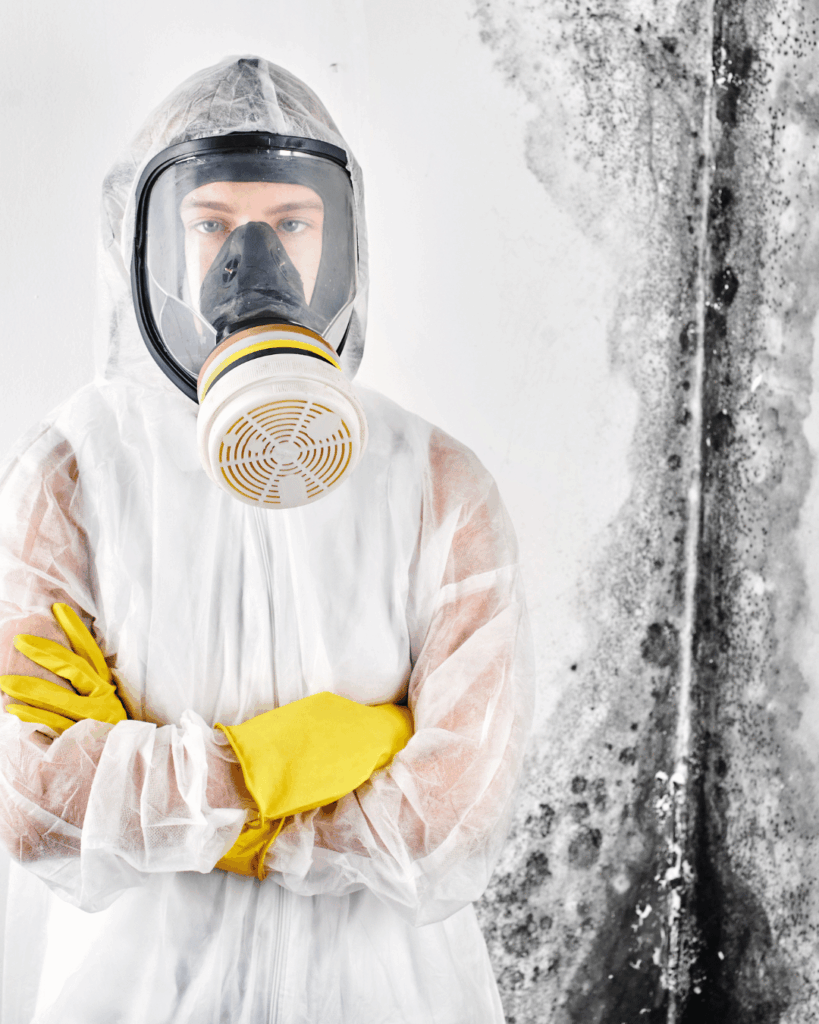
Professionals use protective gear for a reason. Gloves, respirators, eye protection, and protective suits help lower contact with harmful particles. They may also use HEPA vacuums, air scrubbers, sealed work areas, and special cleaning products made for smoke damage.
Professional soot cleanup helps reduce the chance of spreading particles through the home. Without the right steps, a person can carry residue from the damaged room into bedrooms, bathrooms, hallways, or even the car. Shoes, clothes, hair, cleaning rags, and pets can all move particles from one place to another.
Why Soot Sticks To Walls, Ceilings, And Furniture
Smoke moves with heat and air. Since heat rises, ceilings and upper walls often show the most visible marks. But smoke can also move sideways through door gaps, vents, outlets, and small cracks. It may settle in rooms that never had flames at all.
You might notice:
- Gray shadows above doors
- Dark streaks around vents
- Sticky film on cabinets
- Stains near light fixtures
- Smudges around outlets
- Odor inside closets
- Film on mirrors and windows
- Discoloration on ceilings
Cold surfaces can attract more smoke particles. That is why windows, metal fixtures, mirrors, and exterior walls may show dark marks. Air movement can also create strange patterns. Sometimes homeowners see lines or patches that look like shadows. These are often places where particles collected more heavily.
This is also why wall residue removal needs care. Painted drywall is not cleaned the same way as wallpaper, plaster, brick, stone, or wood. A wrong move can make the surface worse. Too much water can bubble paint. Harsh cleaners can strip finishes. Heavy scrubbing can leave permanent marks.
For example, dry smoke from a fireplace may need a dry-cleaning sponge before any liquid is used. Greasy smoke from a cooking fire may need a different process because the residue contains oil. Treating both the same way can lead to smears, stains, and extra repair costs.
Soot residue can also be acidic. If it sits too long, it may keep damaging surfaces. Metal can tarnish. Plastic can yellow. Paint can stain. Stone can dull. Electronics can be harmed if fine particles get inside vents or openings.
Fast action matters, but fast action does not mean rushed DIY work. It means getting the right help before damage spreads or settles deeper.
The Truth About Black Dust After A Fire
Many people call the mess after a smoke event “black dust.” That name makes it sound harmless, like something you can wipe off a shelf. But black dust cleanup after a fire is not the same as normal dusting.
The dark film may include ash, oils, burned chemicals, and tiny particles from many materials in the home. A feather duster or dry cloth can send those particles back into the air. A wet rag can smear them into walls, grout, wood grain, and fabric. A normal vacuum may pick up some visible debris while releasing finer particles through the exhaust.
A professional crew often follows a careful order:
- Inspect the damage and find the smoke path.
- Keep clean areas separate from affected areas.
- Remove loose debris safely.
- Use air cleaning equipment when needed.
- Clean surfaces with the right method.
- Treat odor at the source.
- Check hidden areas before finishing.
- Review the home and explain the next steps.
The order matters. If surfaces are wiped before loose particles are removed, stains may spread. If odor treatment happens before cleaning, the smell may come back. If air cleaning is skipped, particles may settle again after the room looks clean.
Another problem with black dust cleanup is stress. After a home incident, people feel upset and tired. They may feel pressure to fix everything right away. But fire damage is not a normal mess. It is property damage. It should be handled with care, not panic.
Why Smoke Odor Keeps Coming Back
Smoke odor is stubborn because it does not only float in the air. It settles into soft and porous materials. Even after hard surfaces look cleaner, the smell can return when the home warms up, the air conditioner turns on, or humidity changes.
Odor may hide in:
- Curtains
- Carpet
- Area rugs
- Upholstered chairs
- Mattresses
- Clothing
- Books
- Cardboard boxes
- Insulation
- Drywall
- HVAC ducts
- Wood framing
Air fresheners may make the room smell better for a short time, but they do not remove the source. Scented candles can make things worse by adding more particles to the air. Opening windows may help fresh air move through, but it will not remove residue from walls, vents, fabrics, or furniture.
A good restoration team focuses on the cause of the odor. They may clean, remove, seal, or treat affected materials. The right method depends on the fire, the room, the surfaces, and how far smoke traveled.
This matters in Beverly Hills homes where many properties have custom finishes, fine rugs, built-in cabinets, art, and special furniture. A harsh cleaner or careless scrub can damage expensive materials. Careful inspection helps decide what can be restored and what may need replacement.
What Trained Restoration Workers Do Differently
The biggest difference is knowledge. A homeowner may see a dirty wall. A trained worker sees clues. They look at the color, texture, smell, location, and type of surface. They ask what burned and how long smoke was present. They check whether water or extinguisher chemicals were used.
A trained soot cleanup team may bring:
- HEPA vacuums for fine particles
- Dry-cleaning sponges
- Air scrubbers
- Odor control equipment
- Protective gear
- Surface-safe cleaning products
- Plastic barriers when needed
- Safe disposal bags
- Tools for checking hidden damage
They also know when not to clean something right away. Some items need testing first. Some materials are too delicate for normal cleaning. Some items should be packed out for special care. Others may be unsafe to keep.
For example:
- Painted drywall with light staining may be cleaned and sealed.
- Drywall with heavy smoke and water damage may need removal.
- A wood table may need gentle cleaning to protect the finish.
- A fabric chair may hold odor deep in the padding.
- Electronics may need inspection before being turned on.
Restoration is not just wiping and spraying. It is a careful process that protects the home from added damage.
Common Diy Mistakes Homeowners Should Avoid
People make mistakes after indoor smoke damage because they are trying to help. The problem is that smoke damage does not respond well to normal cleaning habits.
Avoid these actions:
- Do not scrub walls with a wet sponge right away.
- Do not use a regular vacuum on soot or ash.
- Do not turn on the HVAC system if smoke may be in the vents.
- Do not spray strong chemicals without knowing what burned.
- Do not paint over stains before cleaning and sealing.
- Do not wash smoky clothes with regular laundry without checking care needs.
- Do not use fans that can blow particles into clean rooms.
- Do not let children or pets play near affected areas.
- Do not eat food exposed to smoke, heat, or extinguisher chemicals.
If you need to enter the area before help arrives, keep it brief. Wear gloves if possible. Avoid touching stained surfaces. Take photos for your records. Keep doors closed between affected and clean rooms. If it is safe, open windows for fresh air, but avoid using fans that spread particles.
The goal is to keep the damage from moving. Once particles spread, cleanup becomes harder.
How Soot Can Damage Valuable Belongings
Smoke damage does not stop at walls and ceilings. It can affect personal items, family keepsakes, electronics, clothing, and furniture. Some items can be saved if they are handled quickly and correctly. Others can be damaged by the wrong cleaning method.
Items that may need special care include:
- Family photos
- Important papers
- Artwork
- Framed prints
- Leather furniture
- Designer clothing
- Area rugs
- Wood furniture
- Jewelry
- Musical instruments
- Books
- Computers and televisions
In Beverly Hills, many homes include high-end materials like marble, brass, hardwood, wool, silk, leather, and custom cabinetry. These materials can react badly to harsh chemicals or rough scrubbing. A quick DIY attempt may turn a restorable item into a ruined one.
Electronics are also a concern. Fine particles can enter vents and small openings. Turning on a smoke-damaged device too soon may cause more problems. If electronics were close to the fire or smoke, they should be checked before use.
Photos and documents are delicate too. Wiping them can smear ink or damage the surface. Stacking smoky or damp papers can trap odor and cause staining. A restoration team may suggest special handling for items that matter most.
What To Expect When Professionals Arrive
A good restoration company should make the process easier to understand. Homeowners should not feel confused or rushed. The team should explain what they see, what they recommend, and what should happen first.
A typical process may include:
- Safety check
The team looks for hazards such as electrical risks, sharp debris, strong odor, or unsafe materials. - Damage inspection
They check rooms, vents, surfaces, contents, and hidden areas where smoke may have traveled. - Cleanup plan
They explain what can likely be cleaned, what may need removal, and what steps come first. - Protection of clean areas
They may set up barriers, floor protection, or controlled paths to avoid spreading particles. - Air and surface cleaning
They use tools and cleaning methods matched to the type of residue and material. - Odor treatment
They work on the source of the smell instead of only covering it. - Final review
They check the results and explain any remaining concerns.
Good crews also answer common questions, such as:
- Is it safe to stay in the house?
- Which rooms were affected?
- Can my furniture be saved?
- What should I avoid touching?
- Should I contact my insurance company?
- How long may cleaning take?
- Can the smoke smell return?
- What items should be removed first?
Clear answers help homeowners feel less overwhelmed.
Why Waiting Can Make The Damage Worse
Some people wait because the fire was small. Others hope the smell will fade on its own. But smoke damage can become harder to fix over time.
The longer residue sits, the more it may bond with surfaces. Odor can sink deeper into fabrics and porous materials. Stains can become harder to lift. Metal may corrode. Plastic may discolor. Paint may absorb marks. Soft items may hold smell longer.
Quick professional help can:
- Reduce the spread of particles
- Protect surfaces from deeper staining
- Improve indoor air quality
- Help save valuable belongings
- Reduce long-term odor problems
- Support insurance documentation
- Help the home feel normal again sooner
Not every smoke event becomes a major repair. Some are small. Some are limited to one room. But every indoor smoke event deserves a careful inspection. What looks minor may have traveled through vents or settled in hidden areas.
A Safer Way To Bring Your Home Back
After an indoor incident, your home may feel strange. The air smells wrong. The walls look marked. The furniture feels dusty or sticky. You may feel a strong urge to clean everything right away. But the safest first step is not a sponge. It is a plan.
Take photos. Keep children and pets away from the affected area. Avoid running fans or the HVAC system. Do not start scrubbing walls or ceilings. Do not use strong cleaners without guidance. Call trained help and explain what happened, what burned, and which rooms smell smoky.
Fire and smoke damage can be emotional, but you do not have to solve it alone. A careful restoration process can protect your health, your belongings, and your home. It can also help prevent small mistakes from turning into bigger repair costs.
The lesson is simple: when smoke leaves dark film behind, do not treat it like everyday dirt. Treat it like damage that needs skilled care. With the right help, your home has a better chance of becoming clean, safe, and comfortable again.