
A burst pipe, an overflowing washing machine, or a slow leak behind a wall can turn an ordinary day in Los Angeles into an emergency in minutes. What you do in the first hour often decides whether you face a manageable cleanup or a costly mold problem weeks later. This guide walks you through exactly what to do — and what to avoid — in the critical first 60 minutes, based on the same standards professional restoration crews follow.
If water is actively spreading right now, call 770 Water Damage & Restoration at (877) 337-0225. Our crews are available 24/7 and reach most Los Angeles and Southern California properties within 60 minutes.
Why the First Hour Matters So Much
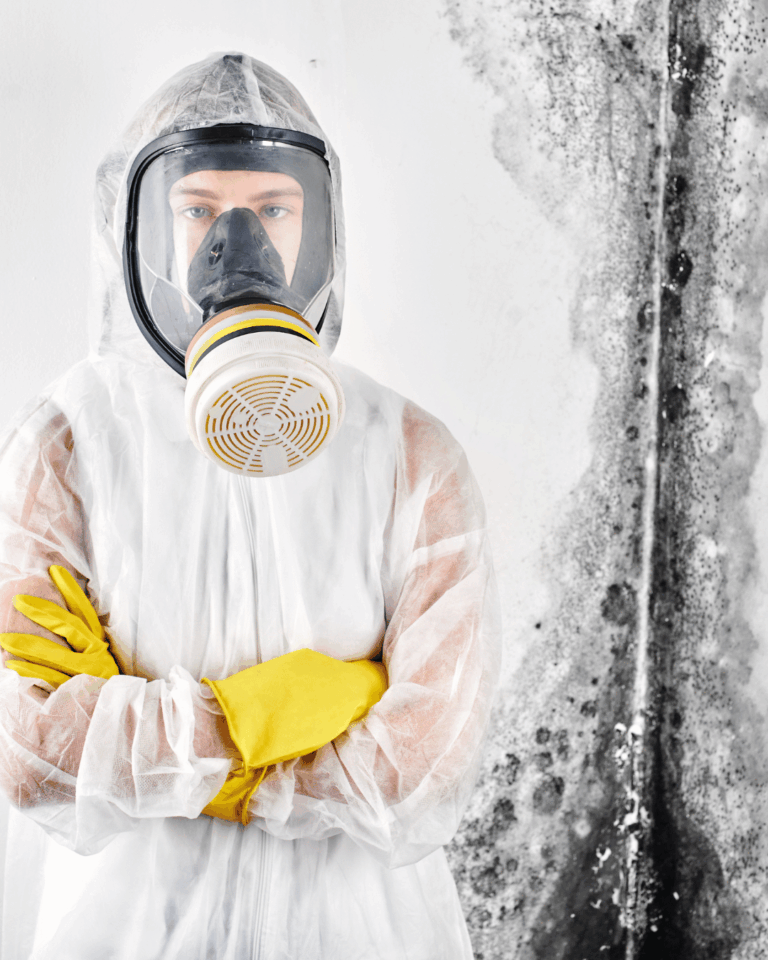
Water damage is not a “wait and see” problem. The longer water sits, the deeper it travels — into drywall, subflooring, baseboards, and wall cavities where you cannot see it. The U.S. Environmental Protection Agency advises drying wet or damp materials within 24 to 48 hours to prevent mold growth, because mold can begin colonizing damp materials within that same window under the right conditions. That 24-to-48-hour clock starts the moment the water appears, which is why your response in the first 60 minutes sets the tone for everything that follows.
There is a second clock running too. Under the IICRC S500 standard — the industry’s primary reference for water damage restoration — clean “Category 1” water from a sanitary source can degrade into more contaminated Category 2 or Category 3 water within roughly 24 to 48 hours as it contacts building materials and bacteria. Acting fast keeps your loss in the cheapest, safest category to clean.
Your First-60-Minutes Checklist
Work through these steps in order. Prioritize safety first — no cleanup is worth an injury or electrical shock.
1. Stop the water at its source
If the water is coming from a plumbing fixture or appliance, shut off the local supply valve. For a major leak or a burst pipe, turn off your home’s main water shutoff valve — usually located near the street, in the garage, or where the main line enters the house. Stopping the flow is the single most important thing you can do, because continued water dramatically increases both the volume and the mold risk.
2. Cut the power to affected areas — if it is safe to reach
Water and electricity are a dangerous combination. If you can safely access your breaker panel without standing in water, switch off power to the flooded rooms. If reaching the panel means walking through standing water, do not attempt it — leave the area and call an electrician or your utility.
3. Protect yourself and your family
Avoid contact with water if you do not know its source. Water from a sewage backup or storm flooding (“black water”) can carry harmful bacteria and should never be touched without proper protection. Keep children and pets away from the affected area entirely.
4. Document everything for your insurance claim
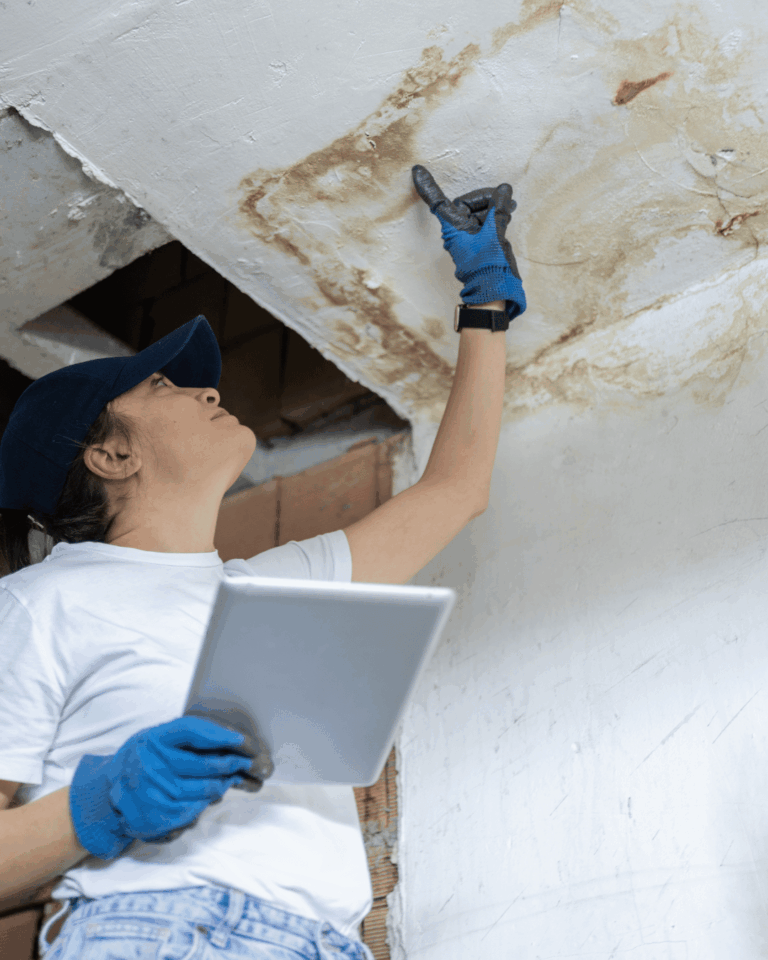
Before you move or remove anything, take clear photos and videos of the damage from multiple angles. Capture standing water, affected walls and floors, and any damaged belongings. Insurance adjusters rely on this documentation, and a professional restoration company can add the psychrometric readings and daily progress notes carriers expect.
5. Move what you can to dry ground
Lift furniture, electronics, rugs, and valuables out of the water if you can do so safely. Place aluminum foil or wood blocks under furniture legs to stop finishes from bleeding onto wet carpet. Do not risk injury moving anything heavy — your safety comes first.
6. Start removing water and moving air — carefully
For small, confirmed clean-water spills, you can begin mopping or using a wet/dry vacuum and open windows to ventilate if outdoor air is dry. A key caution from professional guidance: do not run fans or blowers until you are sure the water is clean and sanitary, since air movement can spread contaminated water and spores. When in doubt, wait for a professional.
7. Call a certified restoration professional
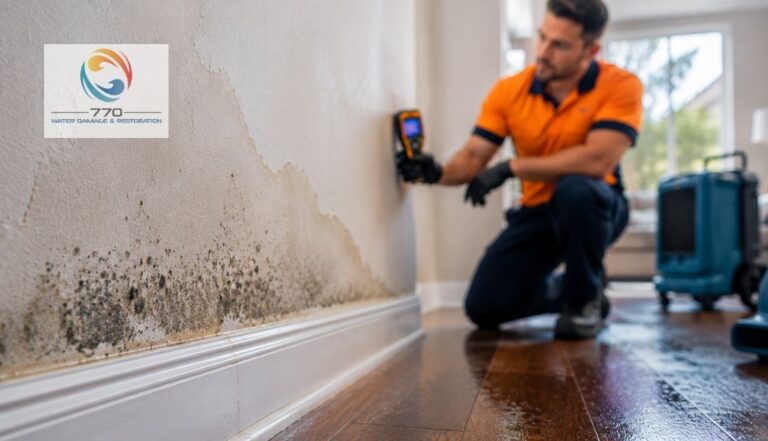
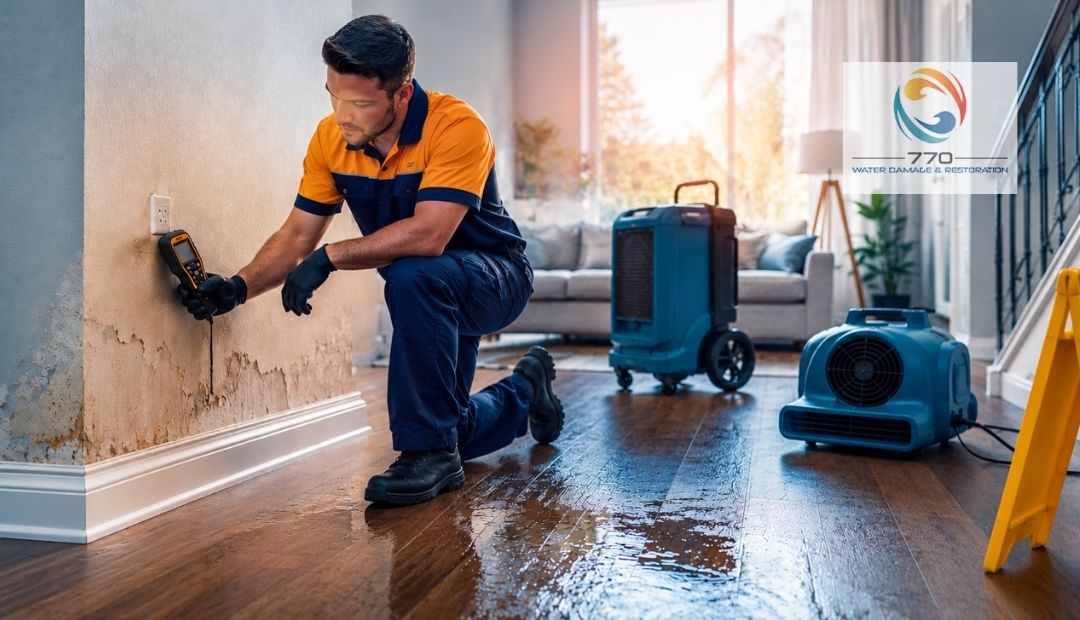
Even when surfaces look dry, moisture often remains trapped behind walls and under flooring. Professional crews use moisture meters and thermal imaging to find hidden water and industrial equipment to dry it within the critical window. Calling early is what keeps a water event from becoming a mold event.
What Not to Do
- Don’t wait to “see if it dries on its own.” Air drying rarely reaches trapped moisture, and you may miss the 24-to-48-hour mold-prevention window.
- Don’t use a household vacuum to remove water — only a wet/dry shop vacuum is rated for it.
- Don’t enter rooms with sagging ceilings or visible electrical hazards.
- Don’t assume “clean” water stays clean. It can shift to a contaminated category within a day or two.
- Don’t rely on bleach as a fix. Surface treatments don’t solve the underlying moisture problem; thorough drying does.
Understanding Water Categories (and Why They Matter)
Restoration professionals classify water by how contaminated it is. This classification determines how the cleanup must be handled and how urgent your response should be. The table below summarizes the three categories defined in the IICRC S500 standard.
| Category | What It Is | Common Sources | Risk Level |
|---|---|---|---|
| Category 1 | Clean water from a sanitary source | Broken supply line, overflowing clean tub, ice-maker line | Lowest — but can worsen within 24–48 hours |
| Category 2 | “Gray water” with significant contamination | Dishwasher or washing-machine overflow, sump pump failure | Moderate — can cause illness if ingested |
| Category 3 | “Black water,” grossly unsanitary | Sewage backups, river or storm flooding | Highest — requires professional handling |
If you are dealing with a sewage backup or storm flooding, treat it as a Category 3 emergency and avoid contact entirely. Learn more about our sewage cleanup services, which are designed specifically to handle gray and black water safely.
How 770 Water Damage & Restoration Responds
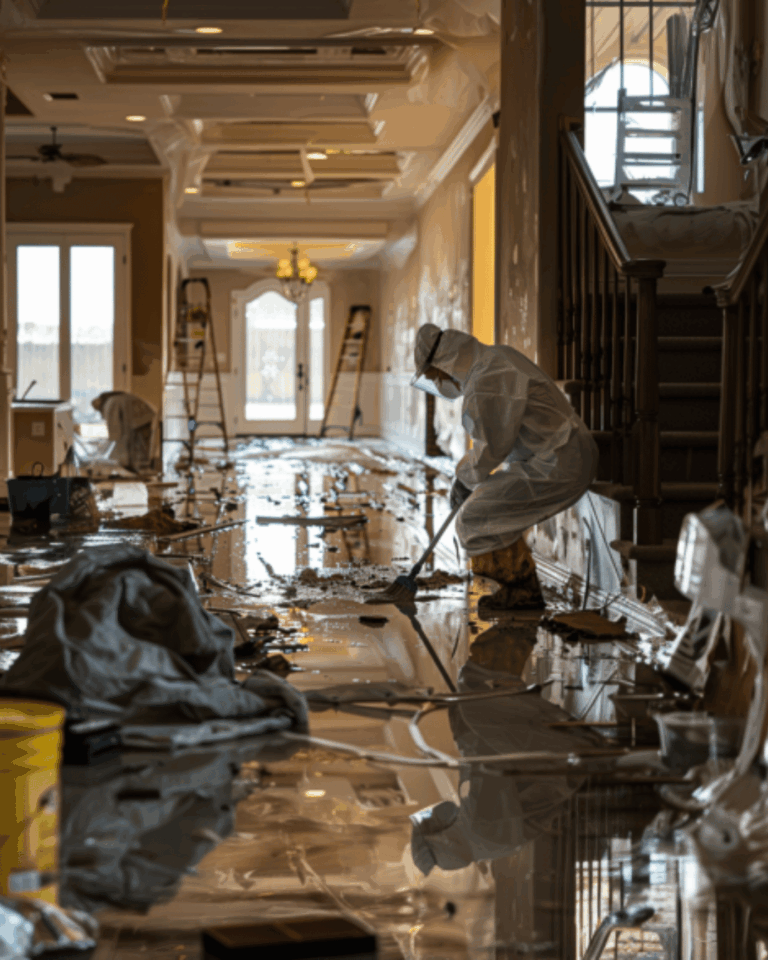
When you call, our goal is to be on-site fast — most Los Angeles and Southern California properties see a crew within 60 minutes. Our IICRC-certified, EPA lead-safe certified technicians assess the loss, classify the water category, extract standing water, and place professional drying equipment to bring the structure back to a safe, dry state. We document the work throughout so your insurance claim is supported, and we work directly with your insurance company to keep the process moving.
A few things set us apart for LA homeowners: we have served Los Angeles and Southern California since 2002, we are licensed (CSLB #1105564), bonded, and insured, and through our sister company we can carry your property all the way from emergency cleanup through rebuild and move-back — restore, rebuild, relocate, under one roof. Insured or not, we work to get you home.
Explore our full range of restoration services, or if you’re in the city of Los Angeles specifically, see our dedicated Water Damage Restoration Los Angeles page. Have questions before an emergency strikes? Our FAQ page answers the questions we hear most.
Don’t Wait — The Clock Is Already Running
Water damage gets worse, more expensive, and harder to fix with every hour that passes. If your LA home has water where it shouldn’t be, the safest move is to act now.
Call 770 Water Damage & Restoration 24/7 at (877) 337-0225, or contact us online to get a certified crew headed your way.
Frequently Asked Questions
What is the very first thing I should do after discovering water damage?
Stop the water at its source. Shut off the local supply valve or your home’s main water shutoff, then make sure the area is safe from electrical hazards before doing anything else. Once the flow is stopped, document the damage and call a certified restoration company.
How quickly can mold grow after water damage?
Mold can begin growing on damp materials within 24 to 48 hours under favorable conditions, according to EPA guidance. That is why drying the affected area within that window is the single most effective way to prevent mold after a water loss.
Should I try to dry the water myself or call a professional?
For a small, confirmed clean-water spill you can begin extraction and ventilation safely. For anything larger, water of unknown origin, sewage, or water that has reached walls and flooring, call a professional — hidden moisture behind walls and under floors usually requires moisture meters and industrial drying equipment to remove completely.
How fast can 770 Water Damage & Restoration arrive?
We are available 24/7 and reach most Los Angeles and Southern California properties within 60 minutes of your call. Call (877) 337-0225 for immediate emergency response.
Will my homeowners insurance cover the damage?
Coverage depends on your specific policy and the cause of the loss. Many policies cover sudden and accidental water damage, such as a burst pipe, but exclude flooding, which requires separate flood insurance. We work directly with your insurance company and document the work to support your claim.