
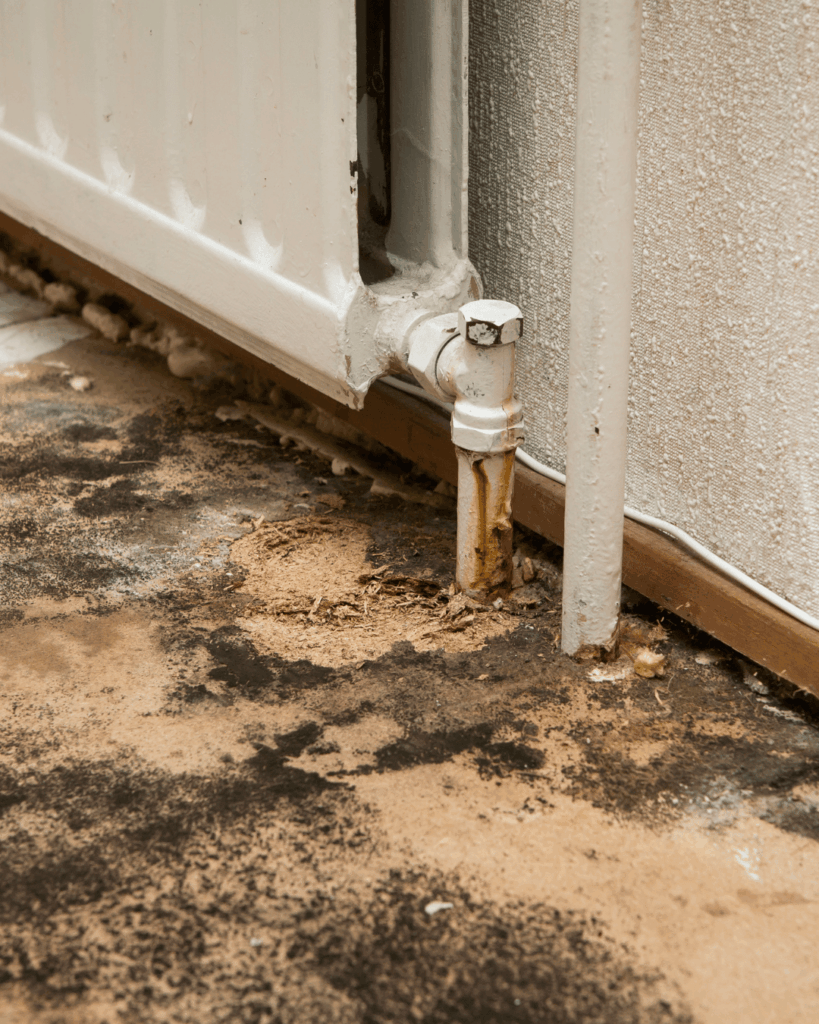
Why Mold Prevention Matters In Every Home
A clean home should feel safe the moment you walk in. You open the door, take a deep breath, and expect comfort. But mold can quietly grow behind walls, under sinks, and near windows long before it becomes visible. By the time you notice a musty smell or dark stains, the problem may already be bigger than it seems.
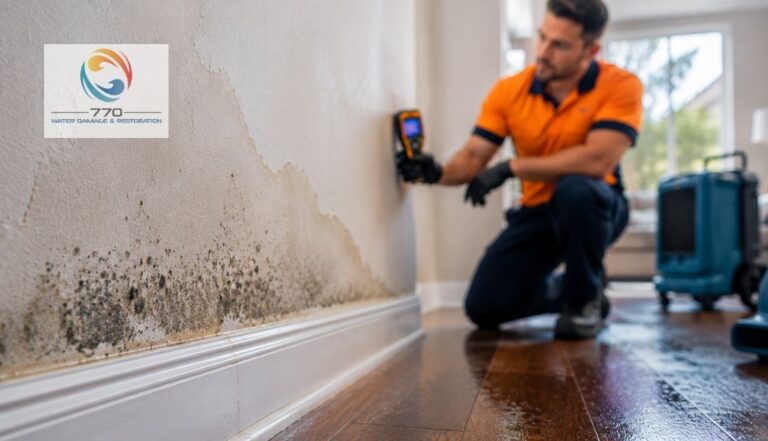
For homeowners in El Segundo, small moisture issues can quickly turn into long-term damage if ignored. Mold thrives in hidden spaces, feeding on damp materials like wood, drywall, and fabric. This is why early action is key.
If water damage has already occurred, working with atrusted restoration team can help stop the problem before it spreads further. Prevention is always easier than repair, but knowing when to act makes all the difference.
Understanding Mold Prevention Tips for Daily Living
When people think about mold, they often imagine floods or major leaks. But mold can grow from everyday activities like showering, cooking, or even drying clothes indoors. Moisture builds up slowly, and without proper airflow, it lingers. That is why mold prevention tips focus on simple daily habits. These habits are easy to follow and can protect your home over time. Incorporating effective mold prevention tips into your routine is essential for safeguarding your living space. Remember, these mold prevention tips can make a significant difference in maintaining a healthy environment.
When people think about mold, they often imagine floods or major leaks. But mold can grow from everyday activities like showering, cooking, or even drying clothes indoors. Moisture builds up slowly, and without proper airflow, it lingers. That is why mold prevention tips focus on simple daily habits. These habits are easy to follow and can protect your home over time. Incorporating effective mold prevention tips into your routine is essential for safeguarding your living space.
When people think about mold, they often imagine floods or major leaks. But mold can grow from everyday activities like showering, cooking, or even drying clothes indoors. Moisture builds up slowly, and without proper airflow, it lingers. That is why mold prevention tips focus on simple daily habits. These habits are easy to follow and can protect your home over time.
Here are practical ways to reduce moisture indoors:
- Open windows when possible to improve airflow
- Use exhaust fans in bathrooms and kitchens
- Avoid leaving wet towels or clothes sitting around
- Wipe down surfaces after water use
- Check for small leaks regularly
These small actions can stop mold before it even starts.
Common Areas Where Mold Grows First
Certain parts of your home are more likely to develop mold. These areas often collect moisture and do not dry quickly. Bathrooms are one of the most common problem areas due to steam and poor ventilation. Kitchens also carry risk because of sinks and appliances that may leak. Laundry rooms, especially those with poor airflow, can trap moisture easily.
Many homeowners forget about damp areas like closets, storage corners, and spaces behind furniture. These hidden spots are perfect for mold growth because they stay dark and still. In homes across El Segundo, coastal air and humidity can make these areas even more vulnerable. A quick check every week can help catch early warning signs before they become serious.
The Role Of Humidity Control In Mold Prevention
One of the biggest factors in mold growth is moisture in the air. Even without visible water, high humidity can create the perfect environment for mold. This is why humidity control is so important. When indoor air holds too much moisture, surfaces stay damp longer, giving mold a chance to grow.
Signs of high humidity include:
- Condensation on windows
- Sticky or heavy indoor air
- Slow drying of towels or clothes
- A constant musty smell
To improve humidity control, try the following:
- Use a dehumidifier in problem areas
- Keep air vents clear and working properly
- Run fans during and after showers
- Fix leaks immediately
- Allow fresh air to circulate whenever possible
Keeping humidity at a balanced level helps protect both your home and your comfort.
How Mold Affects Indoor Air Quality And Comfort
Mold does more than damage surfaces. It can also affect how your home feels and smells. A moldy space often has a stale or musty odor that does not go away with regular cleaning. This is where indoor air quality becomes important. When mold is present, it can release particles into the air that make rooms feel uncomfortable.
Improving indoor air quality starts with keeping your home dry. Fresh airflow, clean surfaces, and quick moisture cleanup all help maintain a healthier living space.
Think of it this way:
- A dry home feels fresh and comfortable
- A damp home feels heavy and unpleasant
Keeping moisture under control is one of the easiest ways to improve how your home feels every day.
What To Do After Water Damage Or Leaks
Even small water problems can lead to mold if not handled quickly. A leaking pipe, overflowing sink, or roof drip can soak materials before you even notice.
If water damage happens, act fast:
- Stop the water source
- Remove wet items from the area
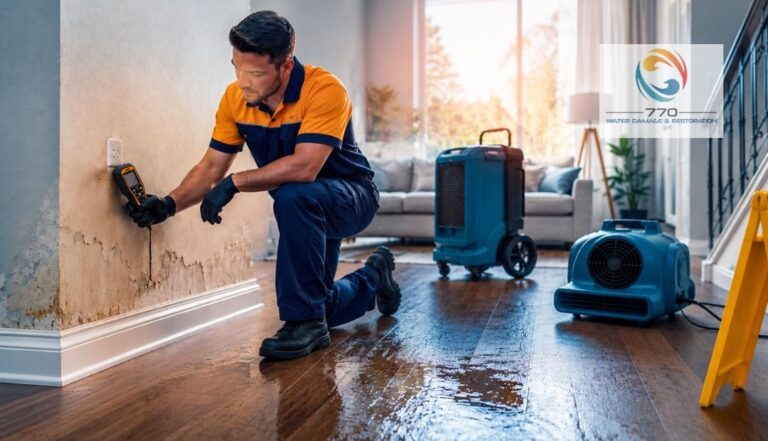
- Dry surfaces using fans or airflow
- Check nearby walls and floors
- Monitor the area for signs of mold
Sometimes, moisture hides in places you cannot see. In these cases, professional help may be needed. Many homeowners rely on El Segundo restoration experts to properly dry and restore affected areas. Services likeWater Damage Restoration El Segundo are designed to handle these situations before mold becomes a larger issue.
Cleaning Habits That Help Prevent Mold Growth
Good cleaning habits play a big role in keeping mold away. While cleaning alone will not fix moisture problems, it helps reduce buildup and keeps surfaces dry.
Focus on consistent routines:
- Clean bathroom tiles and grout regularly
- Wash shower curtains and bath mats
- Dry sinks and counters after use
- Vacuum areas behind furniture
- Keep storage spaces organized
These habits make it easier to spot problems early. They also help prevent moisture from staying trapped in hidden spaces. In homes throughout El Segundo, these small efforts can go a long way in maintaining a clean and healthy environment.
Simple Mold Prevention Tips Every Homeowner Can Follow
If you want a simple approach, follow this easy checklist to stay ahead of mold problems.
Weekly tasks:
- Check under sinks for leaks
- Dry wet towels and rugs
- Look for unusual smells
- Inspect bathroom corners
Monthly tasks:
- Check windows for condensation
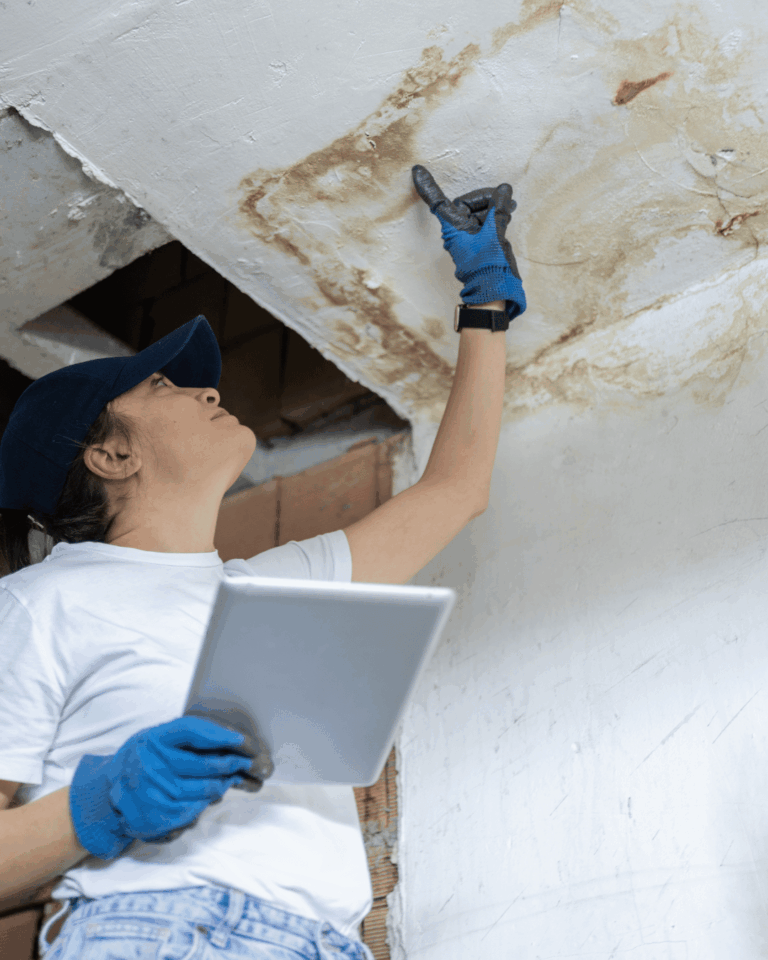
- Inspect ceilings for stains
- Test ventilation fans
- Look behind large furniture
Seasonal tasks:
- Clean gutters and drainage systems
- Inspect roofing and attic spaces
- Check door and window seals
- Review past water damage areas
These mold prevention tips are simple but effective. The key is consistency.
When To Call A Professional For Mold Concerns
Sometimes, mold problems go beyond what simple cleaning can fix. If mold keeps coming back or spreads quickly, it may be time to call a professional.
You should seek help if:
- Mold covers a large area
- The source of moisture is unclear
- There is a strong, persistent odor
- Water damage has been left untreated
- Surfaces are warped or stained
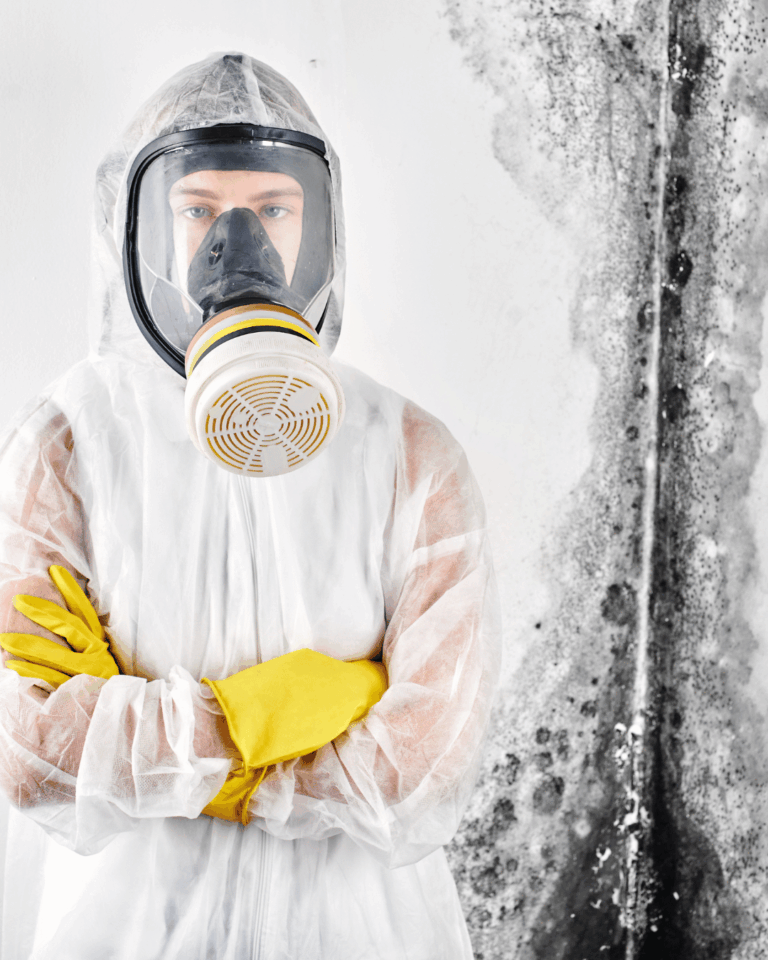
Professionals have the tools and experience to find hidden moisture and stop mold at its source.
Final Thoughts On Keeping Your Home Mold-Free
A healthier home starts with simple habits. Keep surfaces dry, allow air to flow, and fix problems early. These small actions can prevent major issues later. For homeowners in El Segundo, staying proactive is especially important. Moisture can build up in ways that are easy to overlook, but prevention keeps your home safe and comfortable. By following these mold prevention tips, you protect not only your property but also your living space. A dry home is a healthier home, and with the right habits, you can keep it that way all year long.
Control mould before it controls your home and affects your well-being. There are several tips to control mould, such as keeping humidity levels low, improving ventilation, and fixing leaks immediately. Taking simple actions that will reduce moisture; like using exhaust fans and cleaning damp areas—can make a big difference. If left unchecked, mould can lead to serious health problems, including allergies and respiratory issues.