

How Home Humidity Problems Quietly Damage Walls, Wood, And Foundations
You may not think much about the air inside your house until something feels off. Maybe the windows look foggy in the morning. Maybe a room smells stale even after cleaning. Maybe the paint near a baseboard starts to peel, or a closet wall feels a little damp to the touch. These small signs can be easy to ignore, especially when life gets busy. But moisture inside a home does not always stay on the surface. Over time, it can move into drywall, wood framing, insulation, flooring, and even the structure holding the house together.
That is why many homeowners turn to a trusted restoration team when signs of moisture start showing up. What looks like a simple comfort issue can become a much bigger problem hiding behind walls and under floors. In a coastal area, damp air can linger longer than most people expect, and that extra moisture can slowly wear down materials that are meant to stay dry.
In Playa Del Rey, this can be especially important because homes often deal with ocean air, changing temperatures, and closed-up interiors that trap moisture. When the balance inside a house gets thrown off, the result is not only a sticky feeling in the air. It can also mean warped wood, stained ceilings, weak drywall, and other damage that takes time to appear. Homeowners searching for local water damage solutions often learn that the real issue started much earlier with hidden moisture. That is one reason Water Damage Restoration Playa Del Rey services matter so much for long-term home care.
High humidity in a house can cause a range of problems, from discomfort to serious damage. When there is high humidity in your home, the air feels warmer and heavier, making it difficult to relax. Over time, this moisture can lead to mold growth, musty odors, and even damage to walls, furniture, and electronics. If you have a humidity problem, it is important to address it early by improving ventilation or using a dehumidifier. Keeping humidity levels under control helps maintain a healthier and more comfortable living environment.
Early Signs Of Moisture You Should Never Ignore
The tricky thing about humidity is that it does not always announce itself with a major leak or flood. It can build quietly. A bathroom without enough ventilation, a crawl space that stays damp, an attic that traps heat and moisture, or even daily cooking and showering can slowly add water vapor to the air. If that moisture has nowhere to go, it settles into materials around the home. Day after day, the structure absorbs more than it should.
Think of your home like a sponge wrapped in paint, drywall, flooring, and trim. On the outside, things may look fine for a while. But inside, moisture can be collecting in dark, sealed spaces where you do not usually look. That is where hidden damage begins. And once the damage spreads, repairs become more expensive and more disruptive.
Many people first notice trouble through little clues such as:
- A musty smell that does not go away
- Paint bubbling on walls or ceilings
- Soft spots in wood trim
- Doors that stick for no clear reason
- Rust on metal vents or fasteners
- Damp feeling air in certain rooms
- Fogging on windows during mild weather
- Discolored patches near corners or baseboards
Why Condensation Buildup Leads To Hidden Damage Over Time
These signs matter because moisture changes the way building materials behave. Wood swells. Drywall weakens. Insulation loses some of its ability to work well. Adhesives can loosen. Metal parts can rust. Over time, that chain reaction may affect not only appearance but also safety and cost.
One of the most common warnings is condensation buildup on windows, pipes, or cool surfaces. When warm, moist air touches something colder, water forms. A little may seem harmless, but repeated moisture in the same area can soak frames, drip into walls, and create hidden pockets of damage. Another round of condensation buildup in less visible places, like around HVAC ducts or behind stored items near an outside wall, can do even more harm because it often goes unnoticed for longer.
How Humidity Affects Indoor Comfort And Daily Living
People often focus on how humidity feels, but it also affects indoor comfort in ways that go beyond temperature. A house with too much moisture can feel warmer, heavier, and less fresh even when the thermostat says everything is normal. At the same time, that same damp environment can support problems inside hidden cavities of the home. So while indoor comfort matters to your daily life, it also acts like an early signal that something may be changing behind the scenes.
Common Areas In Your Home Where Moisture Hides
Here is where the danger grows. Moisture rarely stays in one place. It moves through air, seeps into porous materials, and follows temperature changes around the home. A humid laundry room can affect the wall behind it. A steamy bathroom can push moisture into the ceiling and attic. A damp crawl space can send moisture upward into flooring and framing. These are not rare situations. They happen in homes every day.
Homeowners often ask which areas are most at risk. The answer usually includes:
Bathrooms : Steam from showers and baths can enter walls and ceilings if ventilation is weak.
Kitchens : Cooking adds moisture to the air, especially when range hoods are not used.
Attics : Poor ventilation can trap hot, damp air, leading to wood and insulation issues.
Crawl spaces : Ground moisture and poor sealing can affect floor framing above.
Laundry rooms : Dryers, washers, and plumbing lines can raise moisture levels fast.
Closets on exterior walls : Limited airflow makes them a common place for dampness to collect.
Window areas : Repeated moisture near frames can damage trim, drywall, and paint.
In many Playa Del Rey homes, homeowners assume ocean air is just part of daily life and not something to worry about. But when coastal moisture mixes with poor ventilation indoors, it can create conditions that slowly wear down a house from the inside.
How Moisture Spreads And Weakens Structural Materials
When enough moisture stays trapped long enough, wood begins to lose its strength. Not all at once, and not always in a way you can see from the outside. Floor joists, studs, subfloors, roof decking, and trim can all absorb moisture over time. In the early stage, the signs may be small:
- Slight warping in baseboards
- Hairline cracks in paint
- Floors that feel uneven underfoot
- Cabinet edges that swell
- Small nail pops in drywall
If moisture keeps coming back, those small signs can turn into larger repair issues. Wood can twist. Fasteners can loosen. Layers of flooring can separate. Ceiling drywall can sag. Wall corners can split. What started as air that was simply too damp can grow into structural damage that costs much more to fix than the original moisture control would have.
The Link Between Damp Environments And Mold Growth
Foundations and lower levels can also suffer. A basement or crawl space with poor airflow can become a holding area for moisture. That damp air can rise into the rest of the home. If there are small cracks, poor drainage outside, or plumbing drips nearby, the problem gets worse. Moisture under the house often leads to problems above the house because the structure is connected from the ground up.
When conditions stay damp long enough, mold growth can begin in hidden areas such as behind walls, under flooring, or inside ceilings. This is often a sign that moisture has been present for a long time.
Simple Ways To Prevent Excess Humidity At Home
The good news is that homeowners can catch many warning signs early if they know what to watch for. Pay attention to patterns, not just one-time events. If a window fogs every morning, ask why. If a bathroom wall feels damp often, check the fan. If a room smells musty after being closed for a day, that smell is telling you something.
Here are smart steps that can help reduce risk before damage grows:
- Use exhaust fans during and after showers
- Run kitchen ventilation when boiling or frying food
- Check under sinks for small leaks
- Inspect around windows for damp trim or peeling paint
- Keep furniture a little away from exterior walls
- Make sure dryer vents are clear and working well
- Look in attics and crawl spaces for signs of moisture
- Use a dehumidifier if a room stays damp
- Seal gaps where humid outside air may be entering
- Schedule an inspection when you see repeated warning signs
What Professionals Look For During A Moisture Inspection
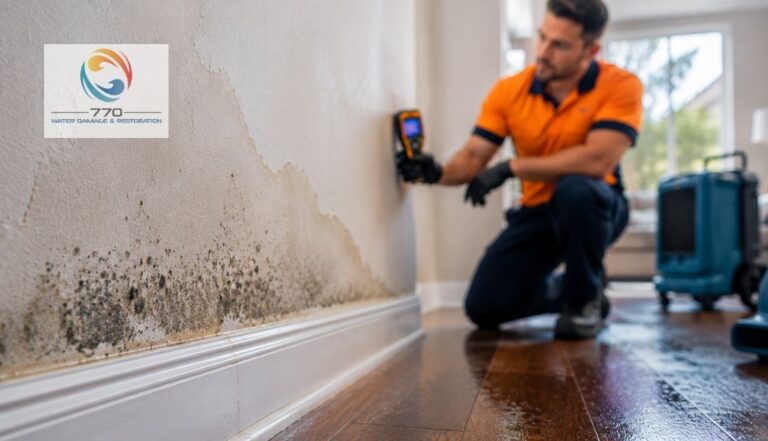
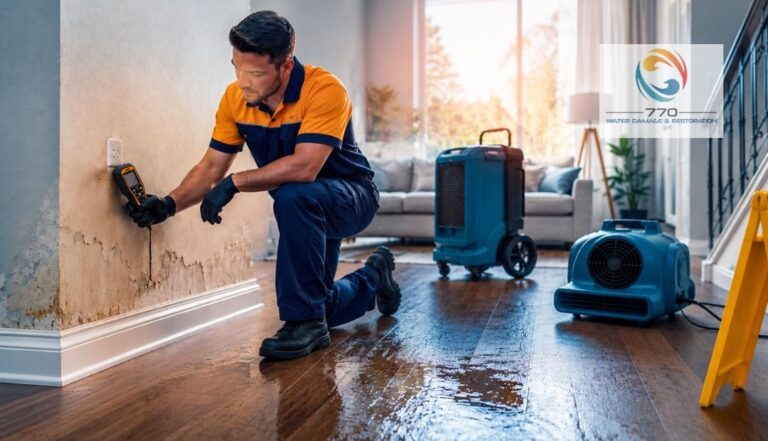
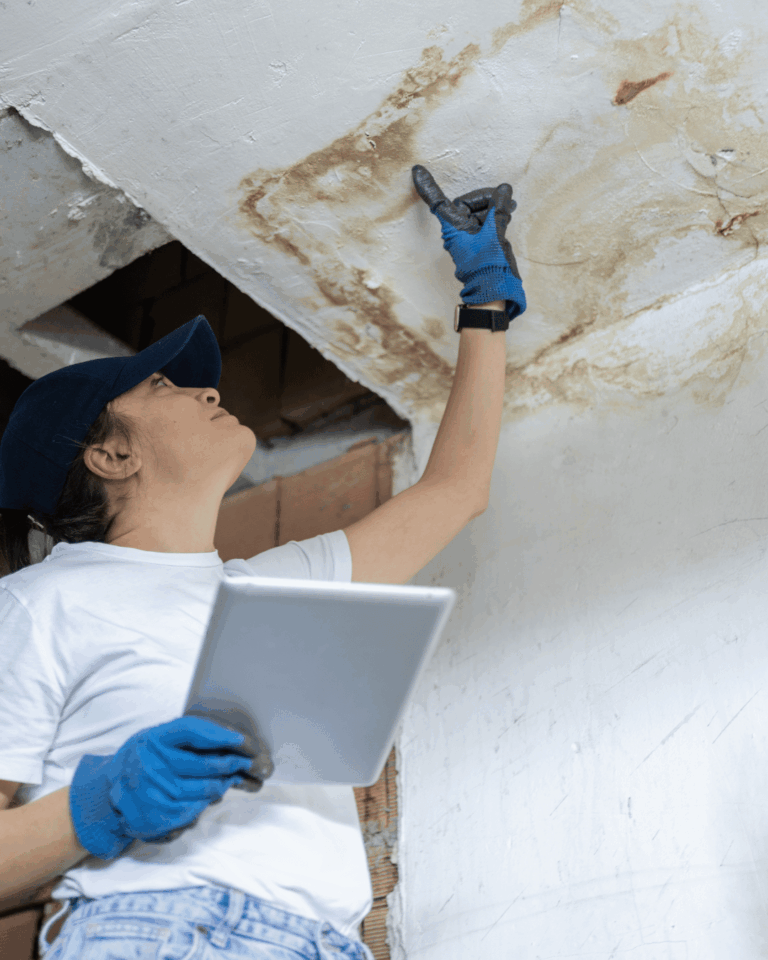
It also helps to understand what professionals look for when checking a home with moisture concerns. They do not only search for visible stains. They look for the path moisture takes and the damage it leaves behind. That may include:
- Moisture readings inside walls
- Warped or softened wood
- Staining around vents and windows
- Rusted nails or metal connectors
- Damaged insulation
- Floor movement or lifting
- Hidden damp spots near plumbing lines
- Airflow and ventilation issues
This kind of careful inspection is important because surface repairs alone do not solve the real problem.
Why Ignoring Humidity Problems Can Lead To Costly Repairs
Another thing homeowners should know is that humidity problems are not always loud. A broken pipe gets attention right away. Humidity damage is quieter. It may take months before anyone notices what is happening. That is why the cost can climb.
For families, this matters for both home value and daily living. Too much moisture can affect indoor comfort by making rooms feel sticky, stale, and hard to cool. But it also affects confidence. No one wants to wonder whether the wall behind the sofa is damp or whether the floor near the bathroom is starting to weaken.
If you own a home in Playa Del Rey, it is wise to treat moisture clues seriously, even when they seem minor. Homes in Playa Del Rey often face coastal humidity, which makes early action even more important. The earlier you act, the better chance you have to stop damage before it spreads into structural materials.
The biggest lesson is simple. Humidity is not just an air issue. It is a building issue. It touches wood, drywall, flooring, insulation, paint, and hardware. It changes how materials age. It can turn hidden corners of a home into damp problem areas that weaken slowly over time. And because it often works in silence, it deserves more attention than many people give it.
So if your house has a musty smell, recurring window moisture, warped trim, or rooms that never seem to feel dry, do not brush it off. Those are not just annoying little signs. They may be the first hints of home humidity problems that are already affecting your walls, floors, or framing. The sooner you look into home humidity problems, the easier it is to protect your home, your budget, and your peace of mind. And when home humidity problems are tied to hidden water damage, getting the right help can make all the difference between a quick fix and a major repair.