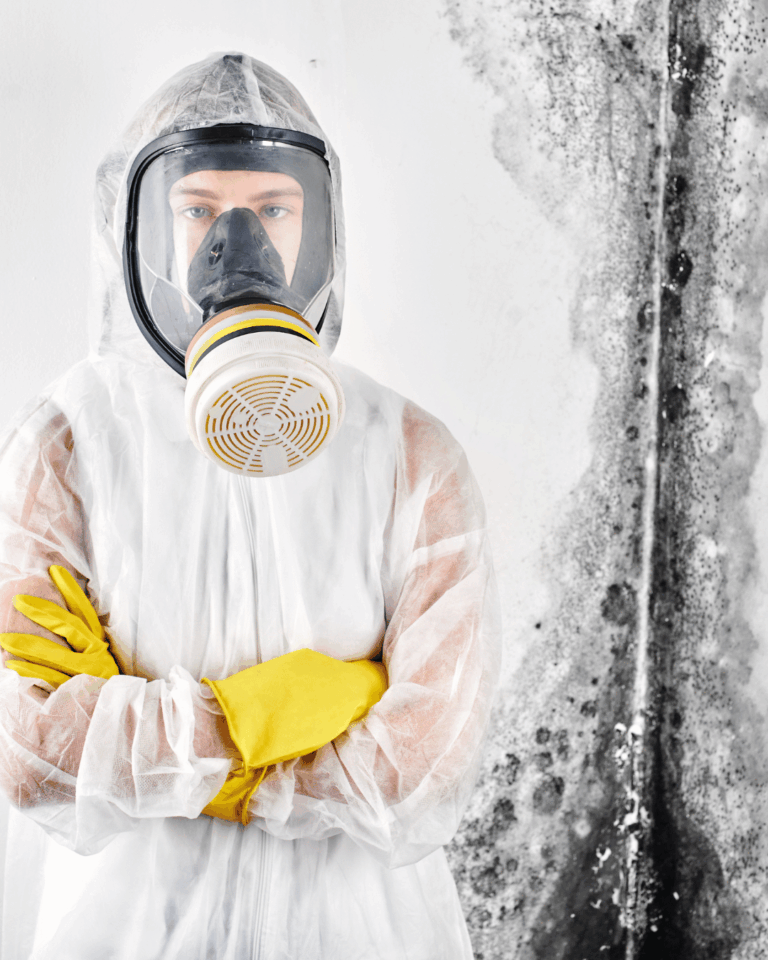

After water damage, the question on every homeowner’s mind is the same: how long do I have before mold becomes a problem? The answer is shorter than most people expect. Under the right conditions, mold can begin growing on damp materials within 24 to 48 hours. That narrow window is the single most important fact in water damage recovery — and it explains why restoration professionals move so fast.
If your Los Angeles home has water damage right now, the clock is already running. Call 770 Water Damage & Restoration at (877) 337-0225. We’re available 24/7 and reach most LA and Southern California properties within 60 minutes.
The Short Answer: 24 to 48 Hours
The U.S. Environmental Protection Agency is direct about this: if wet or damp materials are dried within 24 to 48 hours after a leak or spill, in most cases mold will not grow. Flip that around and the warning is just as clear — if you cannot thoroughly dry the area within that window, you should assume mold growth has begun, even if you cannot see it yet.
Mold spores are not something that arrives after water damage. They are already in your home, floating in the air and settling in dust, as they are in virtually every building. What changes after water damage is whether those spores can germinate and grow. They need just three things: moisture, a food source, and time. Water damage supplies the moisture. Everyday building materials — drywall paper, wood framing, carpet padding, insulation — supply the food. Your thermostat supplies the temperature, since mold thrives in the same comfortable range most homes sit at year-round.
The Mold Growth Timeline, Hour by Hour
Mold growth follows a fairly predictable progression. The table below shows what is happening behind your walls and under your floors at each stage. Keep in mind these are general ranges, not guarantees — temperature, humidity, material type, and how contaminated the water is can all speed the timeline up or slow it down.
| Time Since Water Damage | What’s Happening | Can You See It? | What It Means |
|---|---|---|---|
| 0–24 hours | Spores settle on damp surfaces and begin to attach | No — microscopic | Best window to dry everything and prevent growth |
| 24–48 hours | Germination begins on porous materials | Not yet visible | The “golden window” is closing; act now |
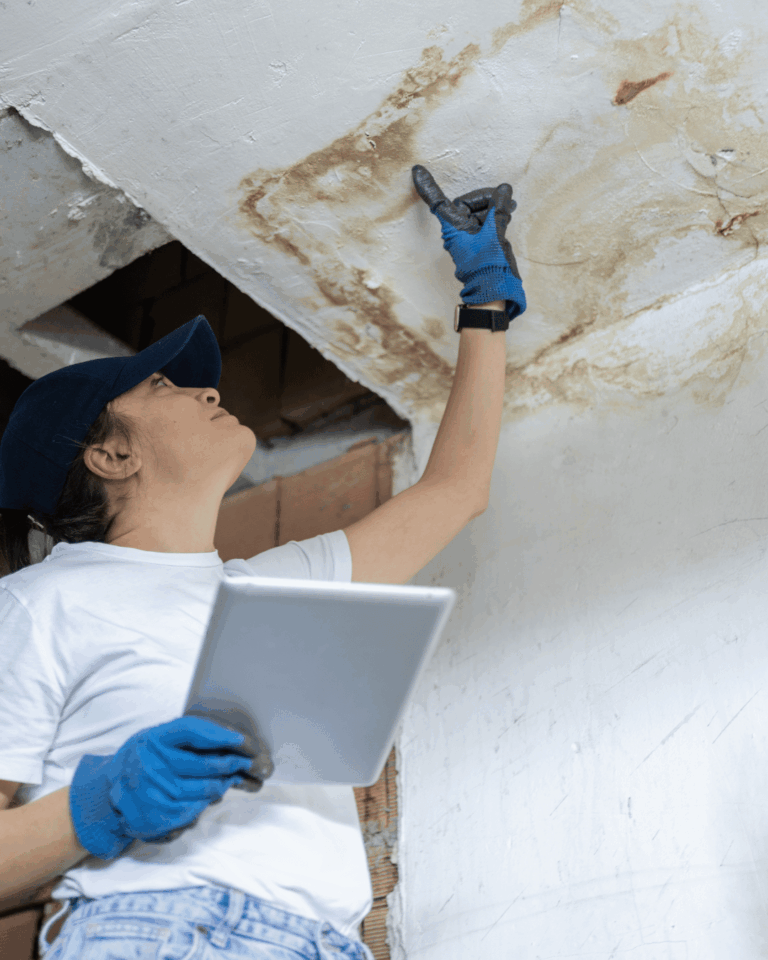
| 2–7 days | Colonies establish in drywall, wood, insulation | Musty odor first, then spots | Prevention has shifted to remediation |
| 1–3 weeks | Colonies spread and become well-established | Visible discoloration | Structural and air-quality concerns grow |
The takeaway is hard to miss: what could be a contained problem at 48 hours can become a multi-material problem within a week. As colonies spread from wet drywall into the framing behind it, the floor below it, and the insulation above it, the scope of demolition and reconstruction grows with it — and so does the cost.
What Makes Mold Grow Faster
Not every water event moves at the same speed. Several factors push mold toward the faster end of the timeline:
- Warm temperatures. Mold grows fastest in the warm indoor range typical of most homes, which describes much of the year in Southern California.
- High humidity. Even materials that are not directly wet can stay damp enough to support growth when the surrounding air is humid.
- Porous materials. Drywall, carpet padding, insulation, and wood act like sponges, holding moisture long enough for mold to take hold.
- Poor ventilation. Bathrooms, crawl spaces, and closed-off rooms trap moisture and slow drying.
- Contaminated water. Water from a sewage backup or storm flooding carries more of what mold needs and raises the urgency considerably.
Why Bleach and Fans Aren’t Enough
A common instinct is to grab a fan, spray some bleach, and hope for the best. The problem is that surface treatments do not address the moisture trapped deep inside porous materials, and bleach does not solve the underlying water problem. As the EPA puts it plainly, if you clean up the mold but do not fix the water problem, the mold will most likely come back.
Fans carry their own risk. Air movement can help before mold has started, but once colonies exist, running fans can spread spores to clean parts of the home. That is also why professionals never run blowers until they confirm the water is clean and sanitary. When mold is already present, the priority shifts to containment, not circulation.
Is Mold a Health Concern?
Molds can produce allergens and irritants, and in some cases other potentially harmful substances. Reactions vary from person to person, but exposure can trigger symptoms such as nasal congestion, coughing, and irritation of the eyes or skin. People with allergies, asthma, or weakened immune systems may react more strongly and should avoid disturbing mold themselves.
One point worth clearing up: the CDC finds no scientific basis for treating so-called “toxic black mold” as uniquely dangerous to the general population compared with other indoor molds. The practical guidance is the same regardless of color or species — clean up any indoor mold growth and, most importantly, fix the moisture source that caused it.
When to Call a Professional
For a small, freshly discovered clean-water spill, prompt drying may be enough. But several situations call for professional remediation:
- The affected area is larger than roughly 10 square feet.
- Mold is inside walls, under flooring, or in the HVAC system.
- The water came from sewage or flooding.
- There’s a persistent musty odor you can’t trace to a source.
- Anyone in the home has health issues aggravated by mold exposure.
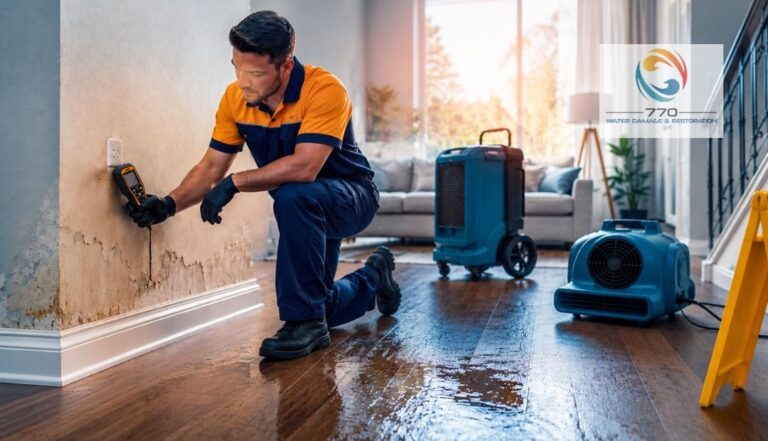
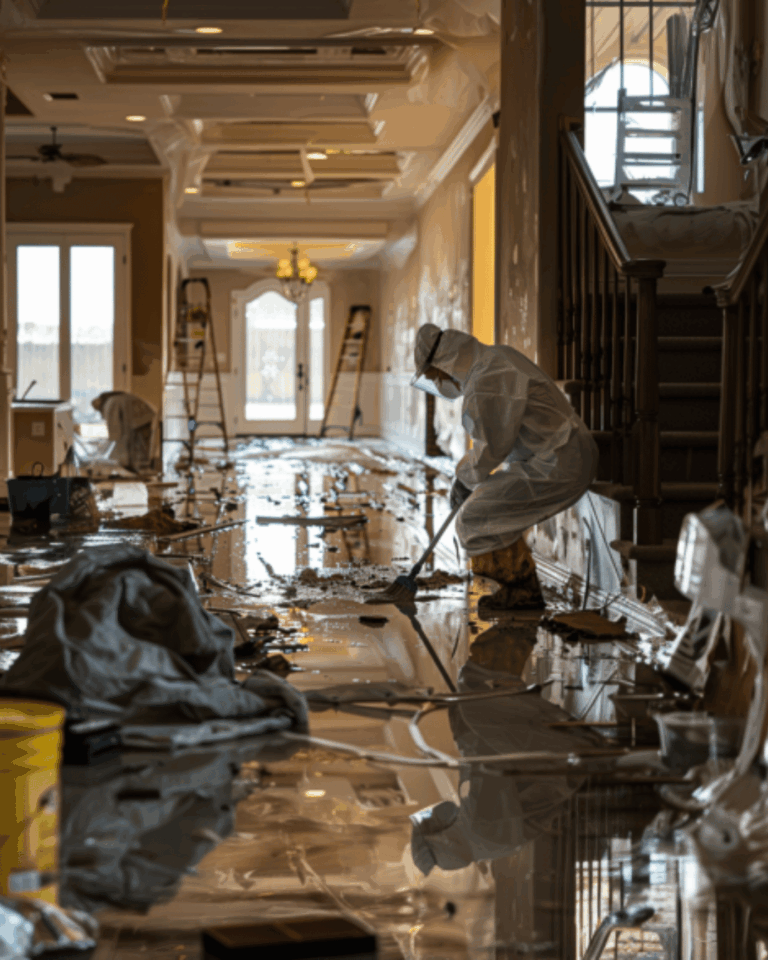
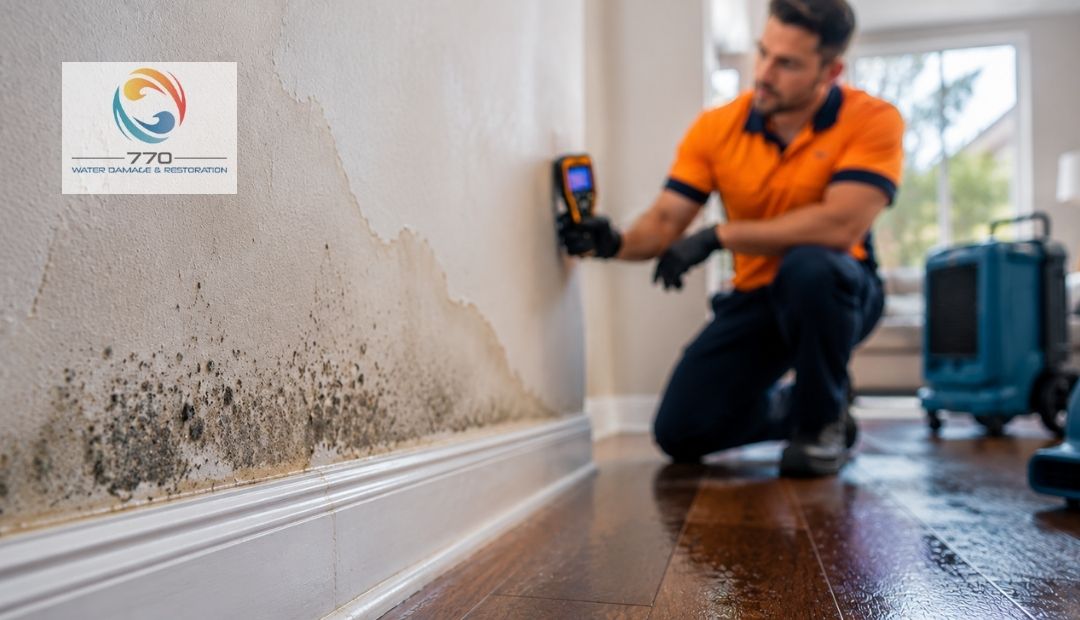
Professional crews follow the IICRC S520 mold remediation standard, using containment, HEPA filtration, moisture meters, and thermal imaging to find and eliminate hidden growth without spreading spores through the rest of the home. This is not a job for a bleach spray and good intentions.
How 770 Water Damage & Restoration Helps
Because the mold-prevention window is so short, speed is everything — and that is exactly how we’re built. Our goal is to be on-site within 60 minutes across Los Angeles and Southern California, where our IICRC-certified, EPA lead-safe certified technicians assess the moisture, extract standing water, and dry the structure properly within that critical window. If mold has already taken hold, we remediate it to standard and document the work for your insurance claim.
We’ve served LA and Southern California since 2002, we’re licensed (CSLB #1105564), bonded, and insured, and through our sister company we can carry your property from emergency cleanup all the way through rebuild and move-back. Insured or not, we work to get you home.
Learn more about our mold remediation services and our water damage restoration, or explore our full range of restoration services. Not sure where to start? Our FAQ page covers the questions we hear most.
Don’t Give Mold a Head Start
The difference between a simple dry-out and a costly remediation often comes down to a single day. If your LA home has water where it shouldn’t be, acting in the first 24 to 48 hours is the most effective thing you can do to protect both your property and your health.
Call 770 Water Damage & Restoration 24/7 at (877) 337-0225, or contact us online to get a certified crew headed your way.
Frequently Asked Questions
How fast does mold grow after water damage?
Mold can begin growing on damp materials within 24 to 48 hours under favorable conditions, according to the EPA. Growth starts microscopically, so you usually cannot see it at first — which is why drying the area within that window is the most effective way to prevent it.
Can mold grow in just 24 hours?
Yes. Spores can begin germinating within about 24 hours under the right conditions of moisture and warmth. Visible colonies typically take longer to appear, but the colonization process can start within the first day.
If I dry everything within 48 hours, will I avoid mold?
In most cases, yes. The EPA states that drying wet or damp materials within 24 to 48 hours usually prevents mold growth. The challenge is that moisture often hides behind walls and under floors, so professional drying equipment and moisture meters give you the best chance of drying completely.
Is black mold more dangerous than other mold?
According to the CDC, there is no scientific basis for treating so-called toxic black mold as uniquely dangerous to the general population compared with other indoor molds. Any indoor mold should be cleaned up and the moisture source fixed, regardless of color.
Should I use bleach to kill the mold myself?
Bleach treats only the surface and does not solve the underlying moisture problem, so mold often returns. For anything beyond a small spot — and especially mold inside walls, flooring, or HVAC systems — professional remediation that removes the source is the reliable solution.