
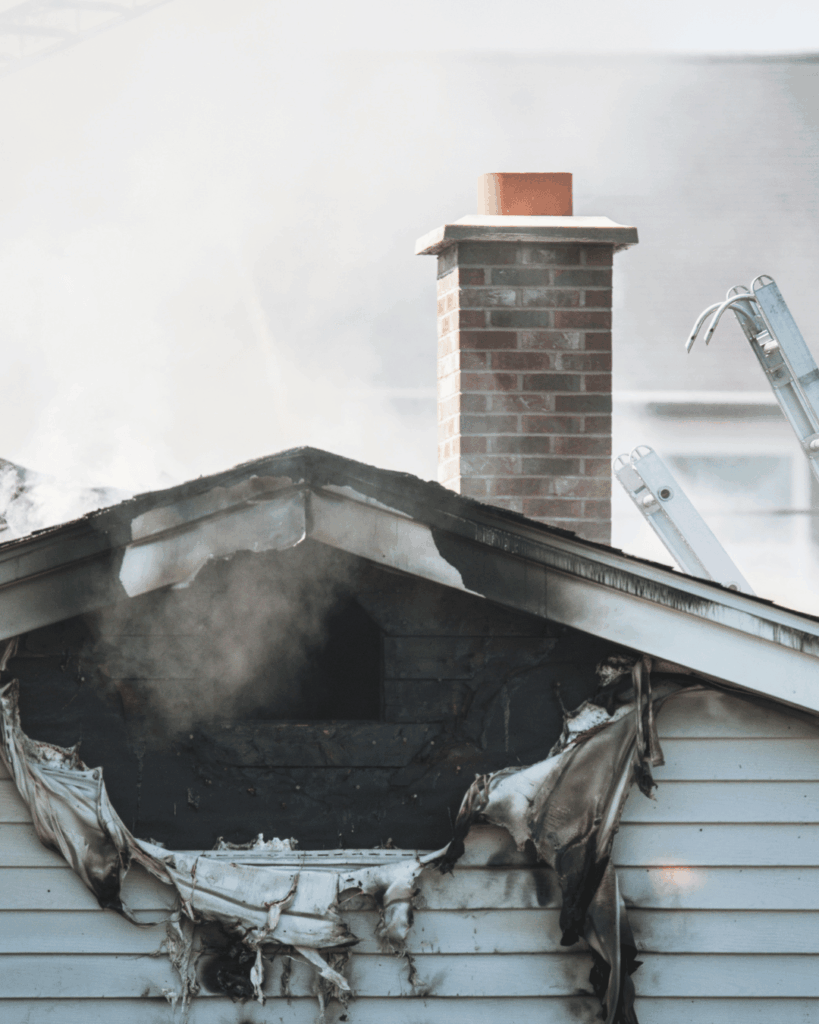
Why Smoke Odor Removal Matters After A Small Fire
A small indoor fire can end in minutes, but the smell can stay for days or even weeks. Many homeowners feel relief once the flames are out. Then they walk into the house the next morning and notice the same burnt smell in the curtains, couch, hallway, and even rooms that were far from the fire.
That is why smoke odor removal should start as soon as the home is safe to enter. Smoke does not stay in one place. It moves through the air, settles on surfaces, and hides in soft materials. It can travel under doors, through air vents, into closets, and behind furniture.
A pan fire in the kitchen can leave a smoky odor in bedrooms. A candle accident in the living room can affect rugs, pillows, books, and nearby walls. Even if you do not see black soot everywhere, tiny smoke particles may still be sitting on surfaces.
For homeowners who want help right away, calling a trusted restoration team can make the cleanup safer and more complete. A trained crew can find where the odor traveled, what items were affected, and which materials need special care.
Homeowners in Agoura Hills often have different home styles, from older houses with porous wood and drywall to newer homes with tighter air systems. In both cases, smoke can linger if the cleanup is not done the right way.
Here are a few things to remember after an indoor smoke incident:
- Do not cover the smell with perfume sprays.
- Do not run the heating or cooling system until it has been checked.
- Do not wipe soot with a wet rag unless you know the surface can handle it.
- Do not assume a room is clean just because you cannot see damage.
- Do take photos before moving damaged items.
- Do call professionals if the smoke spread beyond one small area.
Smoke odor is more than an annoying smell. It can affect comfort, health, and the way your home feels. When your home smells clean again, it feels easier to move forward.
First Steps To Take Right Away
The first few hours after a fire or smoke incident are important. Once everyone is safe and the fire is fully out, the next goal is to stop the odor from spreading deeper into the home.
If you live in Agoura Hills and the fire caused soot, staining, or strong odor in more than one room, it may be time to ask aboutFire Damage Restoration Agoura Hills. The right team can handle cleaning, deodorizing, and repairs in a way that protects your home.
Air Out The Home Only When It Is Safe
Open windows and doors if the air outside is clear. Fresh air can help move smoke out. Place fans near open windows so they push smoky air outside instead of spreading it into other rooms.
Turn Off The Hvac System
Your heating and cooling system can pull smoke into the ducts. Once odor gets inside the ductwork, the smell may spread every time the system turns on. Have the system checked before using it again.
Remove Loose Smoky Items
Blankets, pillows, small rugs, curtains, and clothing can hold odor. Move them to a clean, dry, open area if possible. Do not throw everything away too quickly. Some items may be restored.
Protect Rooms That Were Not Affected
Close doors to rooms that still smell clean. Place towels at the bottom of doors to slow smoke movement. This can help protect bedrooms, closets, and storage areas.
Take Pictures For Your Records
Photos can help with insurance and repair planning. Take clear pictures of soot marks, burned items, stained walls, damaged furniture, and affected floors.
Avoid Rough Scrubbing
Soot can smear. A small black mark on a wall can turn into a larger stain if you scrub it the wrong way. Some surfaces need dry cleaning before wet cleaning.
The goal is not to do the full cleanup alone. The goal is to make smart choices that reduce the spread of odor and damage.
Think of smoke like fine dust mixed with oil and smell. It lands on almost everything. Then it hides in tiny cracks, fabric, and rough surfaces. If you only wipe the top layer, the odor can come back later.
Smoke Odor Removal: Restore Fresh Air in Your Home
Smoke odor removal is essential when lingering smells from cigarettes, fire damage, or cooking fumes start to settle into walls, fabrics, and ventilation systems, making your home feel less clean and uncomfortable over time. Addressing smoke odor removal early helps prevent the smell from embedding deeper into porous surfaces like upholstery, carpets, and drywall.
Effective smoke odor removal goes beyond surface cleaning because smoke particles can hide in air ducts, furniture cushions, and even paint layers, continuously releasing unpleasant odors back into the air. Professional smoke odor removal methods often include deep cleaning, deodorizing treatments, and improving indoor airflow to fully eliminate the source of the smell.
For long-lasting results, smoke odor removal should also include preventive measures such as proper ventilation, air purification, and sealing of affected surfaces to stop odors from returning. With consistent smoke odor removal efforts, your home can regain a fresher, healthier indoor environment that feels truly clean again.
Smoke odor removal is also important for protecting indoor air quality, especially for households with children, elderly family members, or individuals with respiratory conditions, since lingering smoke particles can trigger allergies and breathing discomfort. Regular smoke odor removal helps reduce these health risks while improving overall comfort in your living space.
Another key benefit of smoke odor removal is preserving the value of your home, as persistent smoke smells can be difficult to eliminate and may affect property appeal during inspections or resale. Investing in thorough smoke odor removal ensures your home remains inviting and well-maintained.
Advanced smoke odor removal techniques such as ozone treatment or thermal fogging can penetrate deep into hidden areas where traditional cleaning cannot reach, ensuring a more complete and lasting result. When combined with routine cleaning habits, smoke odor removal becomes far more effective in maintaining a fresh indoor environment.
Why The Smoke Smell In House Keeps Coming Back
Many homeowners clean for hours, open windows, light candles, and think the problem is solved. Then the next day, the smell returns. This can feel frustrating, but it is very common.
The smoke smell in house may come back because the source was never fully removed. Smoke particles are tiny. They can hide in places that are easy to miss.
Common hiding spots include:
- Inside air vents
- Behind baseboards
- In carpet padding
- Under furniture
- Inside wall gaps
- On ceiling texture
- Around light fixtures
- Inside cabinets and drawers
- In books, boxes, and paper files
- On window screens and blinds
Soft items are often the biggest odor holders. Fabric grabs smoke quickly. A sofa may look clean but still smell when someone sits on it. Carpet can trap odor in both the fibers and the padding underneath. Drapes may hold smoke even after windows have been open for hours.
Hard surfaces can also hold odor. Painted walls, wood trim, cabinets, shelves, and tile grout may have a thin smoke film. That film can release odor when the room gets warm or humid.
This is why deep cleaning matters. Basic cleaning may remove visible soot, but it may not reach the deeper odor source.
A good cleanup may include:
- Dry soot removal
- Careful washing of washable surfaces
- Carpet and upholstery cleaning
- Air duct inspection
- Deodorizing equipment
- Removal of damaged materials
- Sealing of certain surfaces when needed
There are also different types of smoke. A paper fire may leave dry, dusty soot. A grease fire may leave sticky residue. A plastic fire can leave a sharp chemical odor. Each type needs a different cleaning plan.
Homeowners in Agoura Hills should also think about airflow. Open floor plans, high ceilings, and attic spaces can let smoke travel fast. Smoke may rise to upper rooms or hidden spaces before anyone notices.
A simple smell test can help. Walk slowly through each room. Stop near vents, corners, furniture, closets, and outlets. If one area smells stronger than the rest, that may be where smoke settled most.
What To Clean First After An Indoor Smoke Incident
After safety comes order. Cleaning in the wrong order can spread soot and make the job harder. A smart plan helps you avoid extra work.
Start high and work down. Smoke rises, so ceilings and upper walls often need attention before floors. If you clean the floor first, soot from above may settle on it again.
For light smoke damage, a simple cleaning order may look like this:
- Ceilings and upper walls
Look for yellow, gray, or black staining. Do not use too much water on painted surfaces. Test a small hidden spot first. - Light fixtures and fan blades
Smoke film can collect on glass, bulbs, and fan blades. Make sure power is off before cleaning any fixture. - Walls, doors, and trim
Use the right cleaner for the surface. Avoid soaking wood, drywall, or painted areas. - Cabinets and counters
Kitchen fires often leave greasy soot. Clean inside cabinets if smoke entered them. - Furniture and soft items
Vacuum with a HEPA filter if possible. Do not press soot deeper into fabric. - Floors and rugs
Clean floors last. Carpets may need professional care if odor reached the padding.
Some household items need special attention.
Clothing: Wash smoky clothes separately. Use a good detergent, and do not dry them with heat until the smell is gone. Heat can set the odor into the fabric.
Books and papers: Paper absorbs smoke quickly. Place important papers in a dry, aired space. Valuable books or files may need specialty restoration.
Electronics: Do not turn on smoky electronics until they have been checked. Soot can damage inner parts.
Mattresses: A mattress can absorb smoke deeply. If exposure was heavy, replacement may be the safer choice.
Children’s toys: Hard toys may be cleaned, rinsed, and dried. Soft toys may hold odor longer and may need extra care.
Strong odor means smoke likely reached deeper than the surface. This is where odor elimination becomes more than wiping and airing out. It means finding the source, cleaning it, and treating the air and materials the right way.
Simple Home Methods That May Help With Light Smoke Odor
For very small incidents, such as burnt toast, a brief candle flare, or smoke from a fireplace draft, you may be able to reduce odor with safe home steps. These methods work best when there is little or no soot.
Try these simple options:
- Place bowls of baking soda in smoky rooms.
- Use activated charcoal bags near the odor source.
- Wash curtains and washable fabrics.
- Mop hard floors with a mild cleaner.
- Clean window glass and screens.
- Replace HVAC filters after the system is cleared for use.
- Vacuum carpets with a HEPA vacuum.
- Air out cushions outside in a shaded area.
Baking soda can help absorb odor from small areas. You can sprinkle it on dry carpet, let it sit, and vacuum it up. Test a small area first. Activated charcoal can also help absorb smells in closets, small rooms, or cabinets.
White vinegar is another common option, but it should be used with care. It has a strong smell of its own. You can place small bowls in a room for a short time, but do not pour it on wood, stone, or delicate surfaces unless you know it is safe.
Avoid these common mistakes:
- Spraying perfume over smoke
- Mixing bleach with ammonia
- Using too much water on walls
- Running ozone machines without training
- Painting over soot without cleaning first
- Using heat to dry smoky fabrics too soon
Air purifiers with HEPA and carbon filters may help after light smoke exposure. They can support cleaner air, but they cannot remove soot from walls, vents, carpet, or furniture.
The rule is simple. If the odor is still strong after basic cleaning and fresh air, there is likely a hidden source. That is when professional help is often the better choice.
When Professional Fire Damage Restoration Is The Better Choice
Some smoke incidents are too serious for do-it-yourself cleaning. Calling a restoration company is not only about saving time. It can also protect your home from deeper damage.
You should consider professional help if:
- Smoke reached more than one room.
- Soot is visible on walls or ceilings.
- The HVAC system was running during the incident.
- The smell remains after two days.
- A grease, plastic, or electrical fire occurred.
- Children, older adults, or people with breathing issues live in the home.
- You see stains around vents or outlets.
- The home smells smoky when windows are closed.
Professionals use tools and methods most homeowners do not have. These may include air scrubbers, HEPA vacuums, thermal fogging, hydroxyl generators, and safe surface cleaners. They also know when something can be cleaned and when it should be removed.
For example, imagine a small kitchen fire. The flames stay near the stove, but smoke rolls across the ceiling and into the hallway. The wall above the stove has sticky soot. The nearby cabinets smell burnt. The vent hood is coated with residue. The hallway carpet has a light smoky smell. In this case, wiping the stove is not enough. The full smoke path must be cleaned.
Professional restoration often includes these steps:
- Inspection
The team checks the fire area, smoke travel path, odor level, and affected materials. - Ventilation and air cleaning
Special equipment helps remove airborne particles and improve airflow. - Soot removal
Dry and wet cleaning methods are chosen based on the surface and smoke type. - Content cleaning
Furniture, clothing, rugs, and personal items may be cleaned on site or off site. - Deodorizing
The team treats hidden odor sources, not just the open air. - Repairs
Damaged drywall, flooring, paint, cabinets, or trim may need repair or replacement. - Final check
The home is reviewed to make sure odor and visible damage were handled.
This full process supports better indoor air quality and helps the home feel livable again.
How Odor Elimination Works Behind The Scenes
Many homeowners ask, “Why can’t I just use a strong spray?” The answer is simple. Smoke odor is not only in the air. It is on surfaces, inside materials, and sometimes inside the airflow system. Real odor elimination works in layers.
First, the source must be removed. Burned items, ash, and loose soot must be cleaned or taken out. If a burned pan, charred cabinet piece, or smoky rug stays inside, the smell can keep returning.
Second, surfaces must be cleaned. This includes walls, ceilings, floors, shelves, counters, doors, and furniture. Different surfaces need different methods. A glossy cabinet can handle more cleaning than flat wall paint. A wool rug needs different care than tile.
Third, the air must be treated. Air scrubbers can help capture small particles. Carbon filters can help reduce smells. Good airflow helps move stale air out and cleaner air in.
Fourth, some surfaces may need sealing. If smoke has soaked into unfinished wood, framing, or porous surfaces, cleaning alone may not be enough. A special sealer can lock in leftover odor after proper cleaning.
Here is an easy way to understand the process:
Source removal: Take away what is causing the smell.
Surface cleaning: Remove smoke film from walls, floors, and items.
Air treatment: Clean the air while the home is being restored.
Deodorizing: Treat deep odor in materials and spaces.
Repair: Replace what cannot be saved.
This layered process matters because smoke is stubborn. If one step is skipped, the smell can return days or weeks later.
What Homeowners Should Not Do After Smoke Damage
It is normal to want to clean right away. But some quick fixes can make the problem worse.
Do not paint too soon. Paint may cover stains for a short time, but smoke odor can bleed through if the wall was not cleaned and sealed first. Paint may also fail to stick if soot is still on the surface.
Do not use a regular vacuum on heavy soot. A normal vacuum can blow tiny soot particles back into the air. A HEPA vacuum is a better choice for fine particles.
Do not wash walls without testing. Some soot smears when wet. Start with dry cleaning methods when needed.
Do not keep smoky items in closed rooms. This can trap the smell and make it stronger. Move affected items to a safe, dry, ventilated space if possible.
Do not assume candles and sprays solve the issue. They may make the home smell better for a few hours, but they do not remove smoke particles.
Do not ignore the attic or crawlspace. Smoke can move into hidden areas. If the odor keeps returning, these spaces may need inspection.
Do not run the furnace or air conditioner too soon. If smoke entered the ducts, the system can spread odor throughout the home.
These mistakes are common because smoke damage is not always easy to see. A room may look fine but still smell wrong. Trust your nose. If the odor remains, the home likely needs more cleaning.
How To Protect Your Home Before The Next Incident
No one plans for a fire. Still, a few habits can reduce the chance of smoke damage and make cleanup easier if something happens.
Use this prevention checklist:
- Keep a working fire extinguisher in the kitchen.
- Test smoke alarms every month.
- Replace alarm batteries when needed.
- Never leave cooking unattended.
- Clean grease from stovetops and range hoods.
- Keep candles away from curtains and papers.
- Use fireplace screens.
- Have chimneys cleaned as recommended.
- Do not overload outlets.
- Store matches and lighters away from children.
- Change HVAC filters on schedule.
You can also create a small home record folder. Include photos of each room, a list of valuable items, insurance details, and emergency contacts. If smoke damage happens, this folder can save time and stress.
For families in Agoura Hills, it is also smart to know which local restoration company you would call before an emergency happens. After a stressful event, you may not want to compare options while standing in a smoky kitchen.
Final Thoughts For A Cleaner, Safer Home
An indoor smoke incident can shake up your whole day. Even a small fire can leave a smell that follows you from room to room. The good news is that the problem can be solved with the right steps.
Start with safety. Ventilate when it is safe. Stop the HVAC system until it is checked. Remove smoky loose items. Take photos. Clean carefully. Watch for hidden odor in fabrics, vents, walls, and soft materials.
If the smoke smell in house keeps coming back, do not ignore it. The source may be hiding in a place you have not checked yet.
The best cleanup is not about making the air smell nice for one afternoon. It is about removing smoke particles from the places where they hide. That is why smoke odor removal takes patience, planning, and sometimes professional tools.
For light smoke, simple home methods may help. For larger incidents, professional restoration can save time, protect your belongings, and help your home feel fresh again. With the right care, your home can move past the smoke and feel like your own space once more.