

Expert Home Leak Inspection Services for a Safer Home
A small drip can turn into a major headache before most homeowners even notice it. What starts as a loose fitting under the sink or a slow leak behind a wall can lead to stained ceilings, warped floors, mold growth, and repair bills that keep climbing. That is why smart homeowners do not wait for obvious damage before they act. They stay alert, look for warning signs, and know when to call trusted restoration experts for help.
If you live in Venice, paying attention to moisture problems is even more important. Warm air, everyday humidity, and regular home use can make hidden leaks spread faster than expected. Many homeowners in Venice only realize there is a problem once the damage becomes visible, but by then, repairs can already be costly.
A Simple Home Leak Inspection Checklist for Every Homeowner Should Know: Tips for Effective Home Leak Inspection
Conducting a thorough home leak inspection is crucial for preventing damage and ensuring your property is well-maintained. Regular home leak inspection is essential for every homeowner to ensure their property remains safe and sound, helping to avoid serious issues down the line. Regular home leak inspection can save you from extensive repairs and costly damage, making it a vital practice for all homeowners. This home leak inspection checklist will help you identify potential issues early in your home leak inspection process, ensuring timely action.
Utilizing a home leak inspection checklist ensures you cover all critical areas and catch issues early during your home leak inspection, protecting your investment. A careful home leak inspection does not require special tools or professional training. It begins with awareness. Walk through your home slowly and pay attention to anything unusual. If something smells musty, feels damp, or looks discolored, it deserves attention.
Focus on areas where water is used most often:
- Kitchen
- Bathrooms
- Laundry room
- Around water heaters
- Under sinks
- Near appliances
- Around windows and doors
Use your senses during your inspection:
- Look for stains or discoloration
- Touch surfaces for dampness
- Listen for dripping sounds
- Smell for musty odors
Many homeowners miss early signs because they seem small. But small clues often point to bigger hidden issues.
Warning Signs You Should Never Ignore
Your home often gives subtle hints before serious damage appears. Ignoring these signs can lead to costly repairs later.
Watch out for:
Remember, a regular home leak inspection can save you from costly repairs.
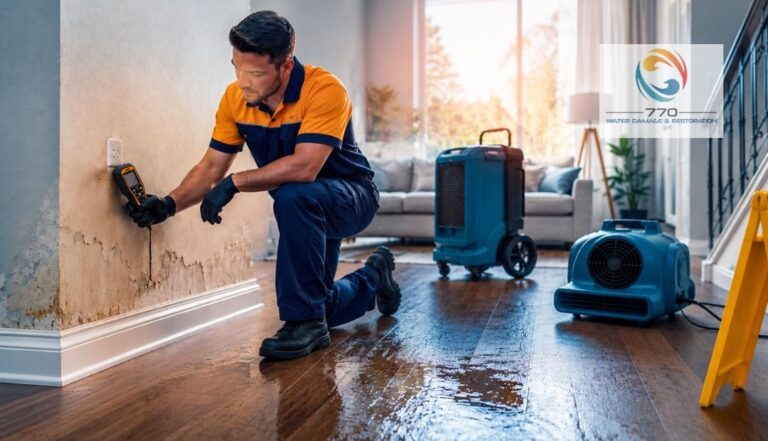
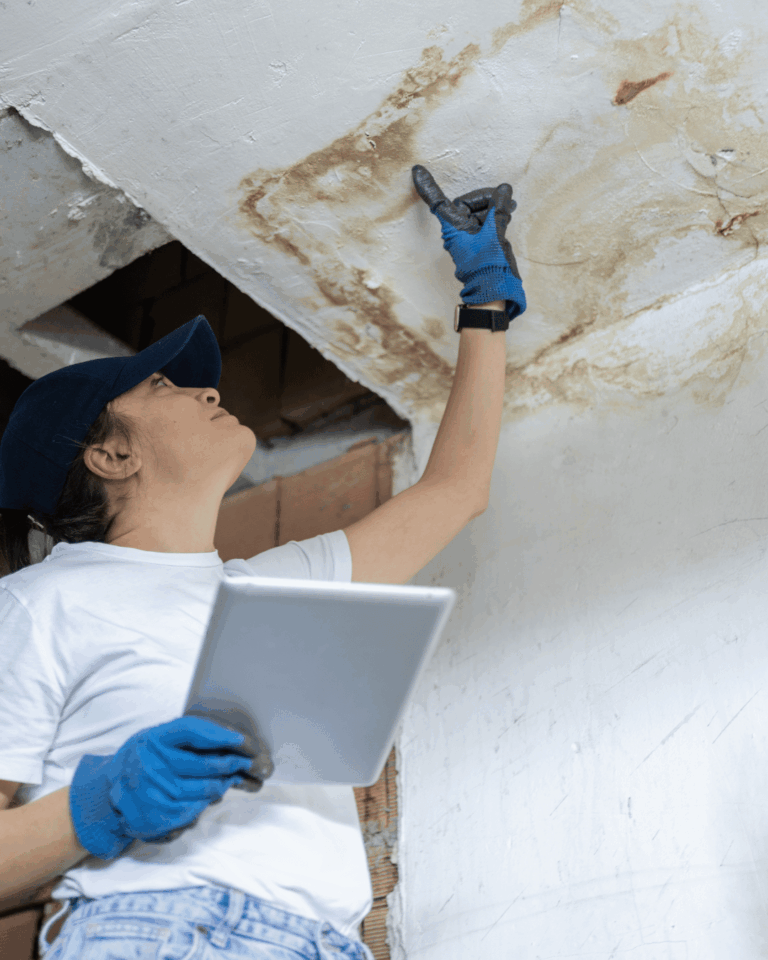
- Water stains on ceilings or walls
- Peeling paint or bubbling drywall
- Soft or warped flooring
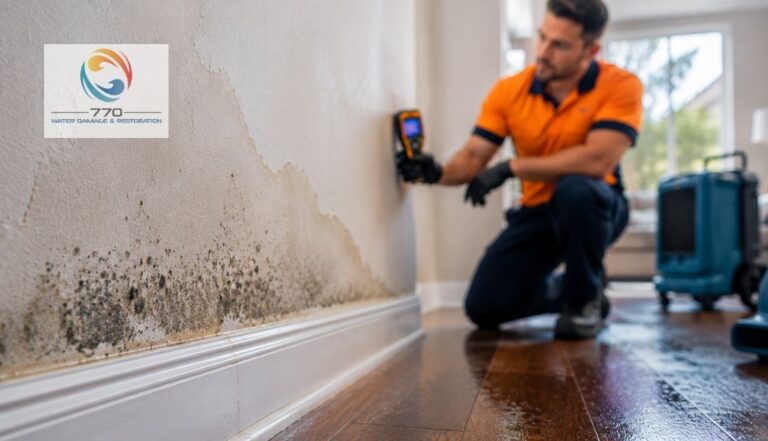
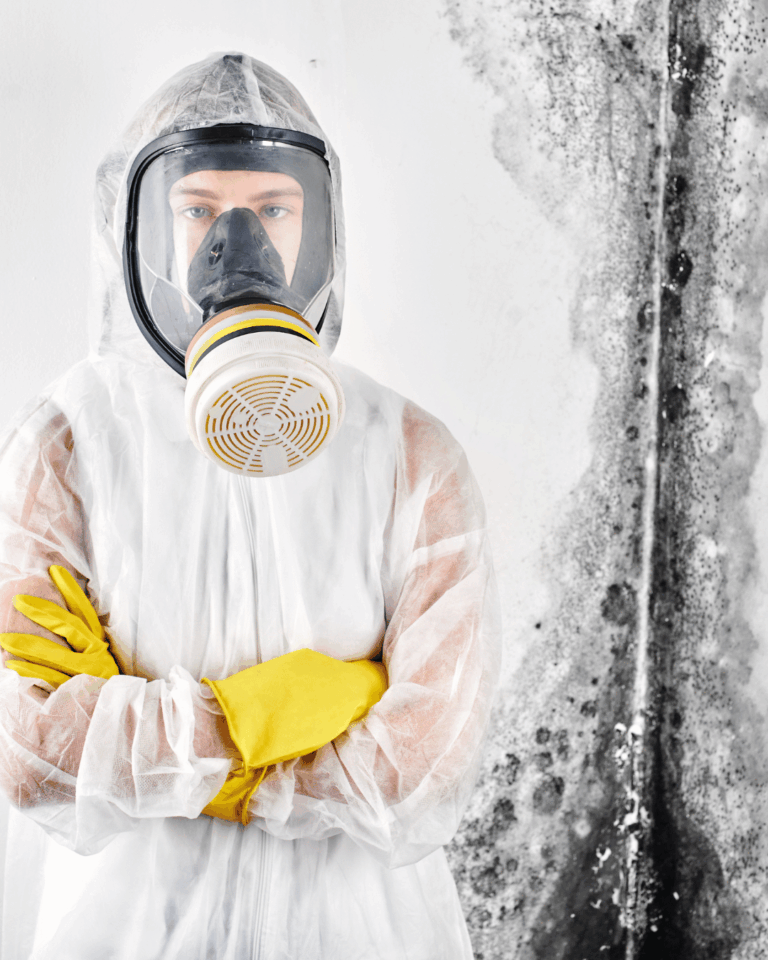
- Mold spots in corners or baseboards
- Unexplained increases in your water bill
- Damp or musty cabinet interiors
These signs mean moisture has been present. Even if you do not see active dripping, there could still be a hidden issue.
Conducting a thorough home leak inspection can save you from significant damage and costly repairs.
Room-by-Room Leak Inspection Guide
To make your inspection easier, break it down room by room. This helps you stay organized and thorough.
- Start with ceilings and look for stains
- Move to walls and check for bubbling paint
- Inspect floors for soft spots
- Open cabinets under sinks
- Check fixtures like toilets and showers
- Look behind appliances
- Inspect windows and door frames
Doing this regularly builds a habit that helps you notice changes quickly.
Kitchen Leak Hotspots to Check First
The kitchen is one of the most common areas for leaks. Many water connections are packed into a small space.
Check these areas:
- Under the sink for dripping pipes
- Dishwasher connections
- Refrigerator water lines
- Cabinet floors for dampness
Even a slow drip can cause wood to swell and create odors. Regular checks help prevent long-term damage.
Bathroom Trouble Areas That Hide Moisture
Bathrooms are tricky because water is always present. This makes hidden leaks harder to notice.
Pay attention to:
- Toilet bases for movement or dampness
- Caulking around tubs and showers
- Vanity cabinets under sinks
- Tile grout that looks cracked or worn
Water can slip behind walls if seals are damaged, leading to hidden issues.
Laundry Room Risks Most People Miss
Laundry areas are often overlooked but can be a major source of leaks.
Inspect:
- Washing machine hoses for cracks or bulging
- Drain hose connections
- Floor behind the washer
- Utility sink pipes
Old hoses are a common cause of sudden leaks. Replacing them before they fail is a smart move.
Water Heater Warning Signs You Should Catch Early
Your water heater can show signs before it fails completely.
Look for:
- Rust around the tank
- Water pooling at the base
- Corrosion on fittings
- Moisture around connections
Catching these early can prevent sudden flooding.
Windows, Doors, and Hidden Leak Entry Points
Leaks do not always come from pipes. Windows and doors can let water in if seals are damaged.
Check for:
- Peeling paint around frames
- Soft wood or trim
- Stains below windows
- Drafts or moisture buildup
In Venice, weather and humidity can make these issues more common.
Step-by-Step Leak Inspection Routine for Your Home
A structured routine makes inspections easier and more effective.
Follow this simple order:
- Ceilings
- Walls
- Floors
- Cabinets
- Fixtures
- Appliances
- Pipes and valves
- Windows and doors
This approach ensures nothing gets missed.
How to Read the Signs of Moisture Damage
Understanding what you see helps you act faster.
Dry surface : Normal condition
Damp surface : Possible leak nearby
Rust on pipes : Long-term moisture exposure
Soft drywall : Water damage behind the wall
Musty smell : Hidden moisture or mold
Learning these signs improves your inspection results.
Understanding Your Plumbing System and Leak Risks
Your plumbing system includes more than just visible pipes. It involves supply lines, drains, and fixtures throughout your home.
Signs of trouble in your plumbing system include:
- Changes in water pressure
- Strange pipe noises
- Mineral buildup
- Corrosion
Monitoring these signs helps prevent unexpected leaks.
Outdoor Areas That Can Cause Indoor Water Damage
Do not forget to inspect outside your home.
Check:
- Outdoor faucets
- Irrigation systems
- Foundation walls
- Drainage areas
Water pooling near your home can seep inside and cause damage.
In Venice, outdoor moisture can quickly affect indoor spaces if not managed properly.
Why Routine Checks Help Prevent Expensive Repairs
Doing routine checks may seem simple, but they are one of the most effective ways to protect your home.
Benefits include:
- Catching problems early
- Avoiding major repair costs
- Keeping your home safe
- Reducing stress
Even a quick monthly walk-through can make a big difference.
When to Call a Professional for Water Damage Issues
Some problems require expert help. If you notice ongoing moisture, spreading stains, or structural damage, it is time to act. Many homeowners search for local water damage specialists when issues become serious. Getting professional help ensures proper drying, repair, and prevention. This is especially important when dealing with cases that may require Water Damage Restoration Venice services.
How Venice Homeowners Can Stay Ahead of Water Damage
Living in Venice means staying aware of moisture risks year-round. Humidity, daily water use, and normal wear all play a role in how leaks develop.
By staying proactive, you can:
- Protect your home structure
- Avoid costly repairs
- Maintain a healthy living space
A simple habit like regular inspections can go a long way.
Final Thoughts: Stay Proactive and Protect Your Home
Water damage rarely starts with a disaster. It usually begins with a small sign that is easy to overlook. A stain, a smell, or a soft spot can be the first clue. Building a habit of home leak inspection and doing routine checks helps you catch problems early and avoid major repairs. With attention, awareness, and timely action, you can keep your home in Venice safe, dry, and comfortable for years to come.