
How Minor Water Issues Can Turn Into Major Damage
A small drip does not always feel like an emergency. A damp spot under the sink, a faint musty smell in the hallway, or a mark on the ceiling can seem easy to ignore for a few days. The problem is that indoor water leaks rarely stay in one place. They travel through drywall, wood, insulation, and flooring. By the time you notice a clear problem, the moisture may have already spread behind the walls or under the floor.
That is why homeowners need to catch trouble early. A leak that starts quietly can turn into mold, weak materials, ruined paint, and costly repairs. In homes near the coast, where moisture in the air is already common, it is even more important to stay alert for indoor water leaks. If you live in Redondo Beach, knowing what to watch for can save you time, money, and stress.
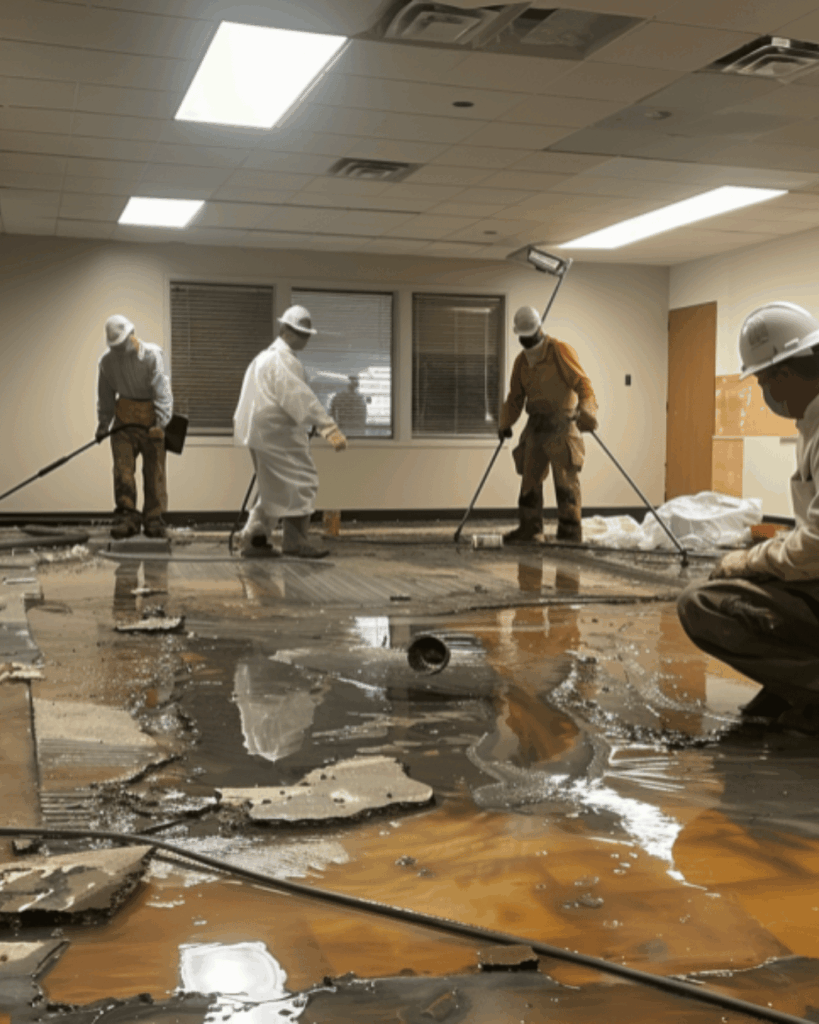
In many cases, the first step is knowing when to call for help. A trusted water damage restoration team can inspect the problem, find the source, and help stop the damage before it gets worse. Fast action matters because water can soak into areas you cannot see, creating serious issues long before the room looks badly damaged.
Why Indoor Water Leaks Are Often Harder To Spot Than People Expect
Many homeowners think a leak will be obvious. They picture water pouring from a burst pipe or puddles forming across the floor. Sometimes that happens, but many leaks are much slower and more subtle. They may come from a loose pipe connection, an aging water heater, a small roof opening, a cracked supply line behind the wall, or a drain that leaks only when used.
These quiet problems are dangerous because they create hidden damage. You may not see the leak itself, but you may notice clues that something is wrong. Water can collect inside wall cavities, under cabinets, and above ceilings for days or weeks. During that time, materials absorb moisture and begin to break down.
Understanding indoor water leaks is crucial to maintaining your home and preventing further damage caused by hidden issues. If the issue becomes larger, homeowners often search for Water Damage Restoration Redondo Beach services because they need both cleanup and repair support. That is especially true when the leak has had time to spread into multiple parts of the home.
Indoor Water Leaks Can Lead To Severe Consequences If Not Detected Early
Here are a few reasons indoor leaks are easy to miss:
- They often happen in closed spaces
- The sound of a drip may be covered by daily noise
- Moisture can move far from the source
- Early warning signs may look harmless
- Some leaks only appear during certain times, such as when appliances run or during rain
A leak does not have to be dramatic to be serious. In Redondo Beach, homes with older plumbing, upstairs bathrooms, or roof exposure can all face this kind of slow water intrusion.
Early Warning Signs Of Indoor Water Leaks You Should Never Ignore
The most helpful thing a homeowner can do is learn the signs. Even simple changes in your home can point to moisture trouble.
1. Musty smells that don’t go away
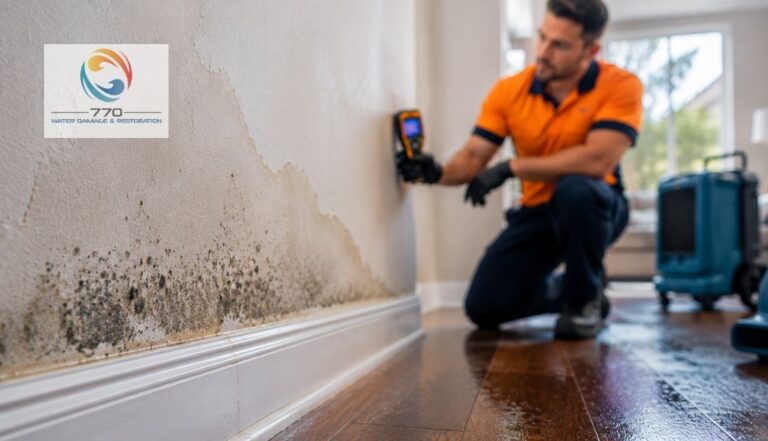
One of the earliest signs of indoor water leaks is a musty smell that stays in one area. This smell often means moisture is trapped where air cannot move well. It may be inside a wall, under flooring, behind a vanity, or near an old leak that never fully dried.
A room that smells damp even after cleaning should get your attention. Fresh air may hide the odor for a little while, but it often comes back.
2. Ceiling stains and wall discoloration
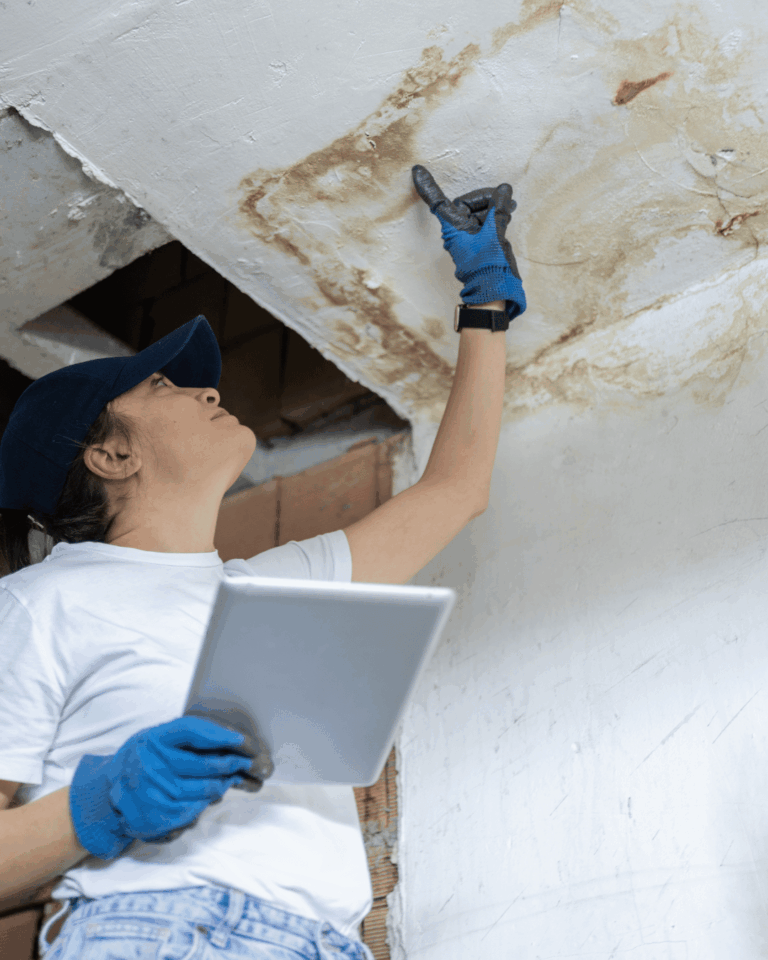
Water leaves marks. Brown, yellow, or copper-colored spots often show up after moisture has soaked into drywall. These marks can grow slowly and may feel dry on the surface even while moisture is still active above or behind them.
Many homeowners first notice ceiling stains near bathrooms, upstairs laundry rooms, or roof lines. These stains are more than a cosmetic issue. They can mean water has already moved through layers of material.
Watch for:
- Rings or patches that change size
- Paint that looks darker in one area
- Bubbling or peeling paint
- Soft drywall that feels weak to the touch
If you already see ceiling stains, the leak may have been active for longer than you think.
3. Uneven or damaged flooring
Floors react quickly to moisture, especially wood and laminate. A section of the floor may rise, buckle, feel spongy, or separate at the seams. In some cases, tile may loosen because the material under it has become wet and unstable.
One major clue is floor warping in a spot that has not had any recent spills. That usually means water is coming from below, behind, or nearby.
4. A sudden increase in your water bill
Not every leak leaves a visible mark right away. Sometimes the first clue is a water bill that rises for no clear reason. If your usage has not changed but the bill has, there may be water escaping somewhere in the home.
5. Peeling paint or swollen trim
When moisture enters drywall or wood trim, finishes often begin to lift. Paint may bubble. Baseboards may swell. Window trim can look thicker or feel soft.
6. Sounds of dripping behind walls
A quiet drip behind the wall can be hard to trace, but it should never be ignored. If you hear water when no fixtures are in use, it is time to investigate.
What Happens When Indoor Water Leaks Are Ignored For Too Long
A lot of homeowners hope a small leak will stop on its own. Unfortunately, that is rarely what happens. Water continues to move, soak, and weaken materials over time.
Here is what long-term moisture can do:
- Drywall begins to weaken and sag
- Wood framing absorbs water and may rot
- Insulation loses its effectiveness
- Paint and finishes start to peel
- Mold may begin to grow
- Odors become harder to remove
This is where hidden damage becomes a major concern. Even when the visible area looks small, the affected space behind it may be much larger.
In Redondo Beach, this can be more challenging because coastal air slows drying. That means moisture can stay trapped longer and cause deeper problems.
Common Areas In Your Home Where Leaks Usually Start
Leaks can happen almost anywhere, but some areas are more likely than others.
Kitchens
- Moisture under the sink
- Soft cabinet bottoms
- Water near the dishwasher
- Damp walls behind the fridge
Bathrooms
- Loose tiles
- Damp drywall near tubs
- Moisture around toilet bases
- Lingering odors
Laundry rooms
- Water behind the washer
- Rusty hose connections
- Damp nearby walls
- Wet floors that don’t dry quickly
Water heater spaces
- Leaks around the base
- Drips from fittings
- Moisture buildup in enclosed areas
Ceilings and attics
Leaks from above can travel before they show. This is why ceiling stains should never be ignored.
Simple Ways To Prevent Long-Term Water Damage
Preventing damage is easier than fixing it later. Small habits can make a big difference.
Monthly home checks
Use this simple checklist:
- Look under all sinks
- Check behind appliances
- Inspect around the water heater
- Scan ceilings and walls
- Watch for smells or soft spots
Replace old hoses and fittings
Old rubber hoses and worn connectors are common causes of leaks. Replace them before they fail.
Monitor water pressure
High pressure can damage pipes over time. Keep it at a safe level.
Maintain appliances regularly
Dishwashers, water heaters, and refrigerators all need basic care to prevent leaks.
Act fast when you notice moisture
Even a small issue should be handled right away to avoid bigger problems.
When To Call A Water Damage Professional
Some leaks are simple. Others need expert help.
Call a professional if:
- Water has spread to walls or floors
- You cannot find the leak source
- The smell keeps coming back
- Damage is growing over time
- There are signs of mold
For homeowners in Redondo Beach, acting early can prevent major repairs and protect your home’s structure.
Final Thoughts: Protecting Your Home From Costly Water Damage
Indoor leaks can be easy to miss, but the signs are always there if you know where to look. A stain, a smell, or a soft surface is often the first warning. The key is to act quickly before the damage spreads. If you stay alert and respond early, you can avoid major repairs and keep your home safe. For families in Redondo Beach, this simple approach can make all the difference in protecting both comfort and property value.