
Smart Steps For Emergency Home Repairs When Water And Structural Trouble Hit
A home problem rarely gives a warning. One minute everything feels normal, and the next, water is dripping from the ceiling or a wall starts to crack. These situations can feel overwhelming, especially when they happen late at night or during bad weather. Many homeowners in Los Angeles have faced these moments, where quick thinking becomes the difference between a small repair and a major disaster.
This guide is here to help you stay calm and act fast. With the right steps, you can protect your home, reduce damage, and keep your family safe. Whether you are dealing with water issues or structural concerns, understanding what to do first will give you confidence during stressful situations. The housing repair program provides government home repair assistance to eligible homeowners.
Smart Steps For Emergency Home Repairs When Trouble Starts
When something goes wrong, your first focus should always be safety. Before worrying about damage, make sure everyone in the home is safe from harm. If water is near electrical outlets or wires, avoid touching anything and turn off the power only if it is safe.
After safety is handled, try to stop the problem at its source. If a pipe is leaking, turn off the main water supply. If rain is coming through the roof, place a container to catch the water and move your belongings away from the area.
Here are simple steps you can follow right away:
- Turn off water if a leak is coming from plumbing
- Move furniture and electronics away from wet areas
- Use towels or buckets to control water spread
- Take photos of the damage for records
- Open windows if weather allows to help drying
Many homeowners try to fix everything themselves, but not all situations can be handled alone. For larger problems, reaching out totrusted water damage experts early can prevent bigger issues later.
Signs Of Sudden Leaks You Should Not Ignore
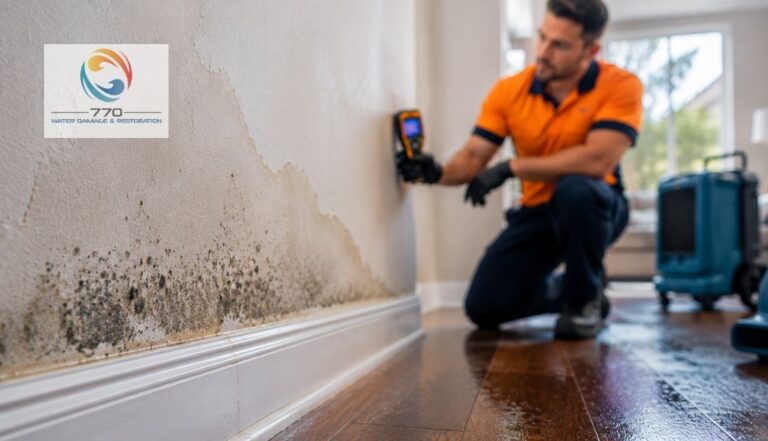
Water problems often start small but can grow quickly. Sudden leaks may appear as a drip, but the real damage could already be spreading behind walls or under floors. Paying attention to early signs can save time and money.
Watch out for these common warning signs:
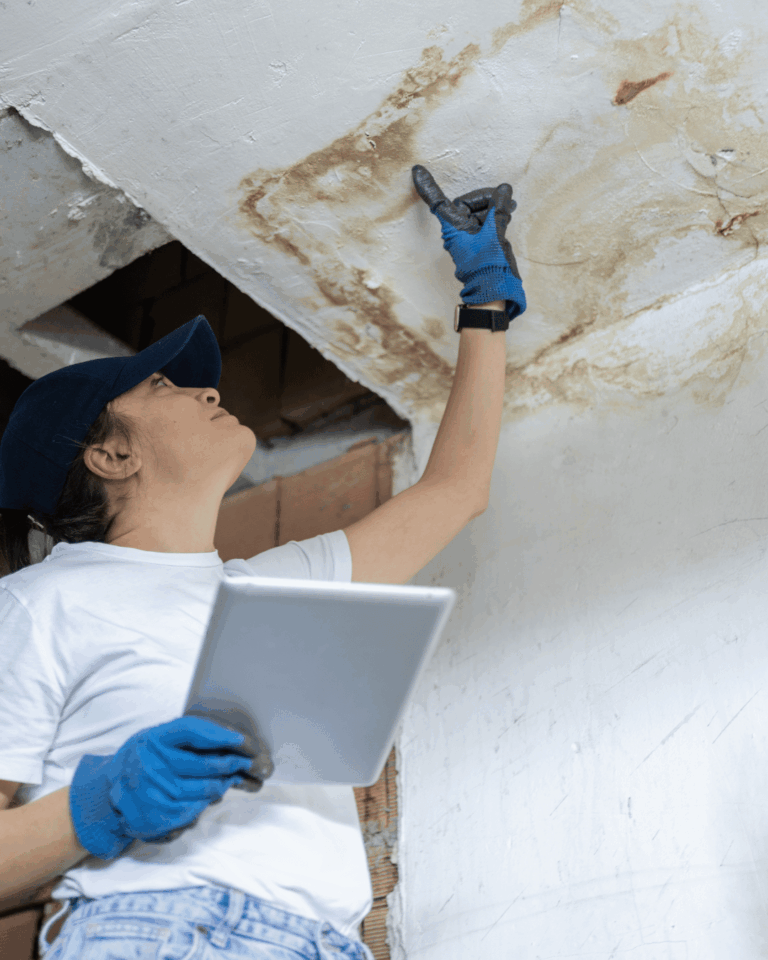
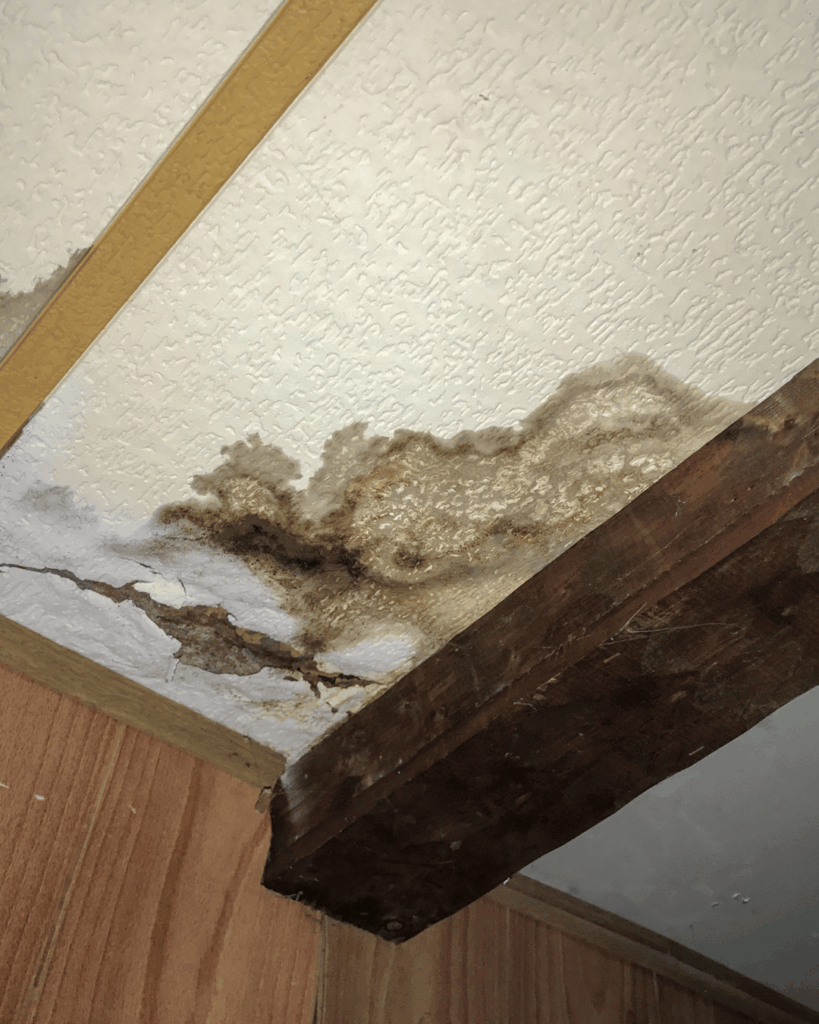
- Water stains on ceilings or walls
- Peeling paint or bubbling surfaces
- A musty smell that does not go away
- Warped or swollen flooring
- Unusual increase in water bills
These signs often mean water is moving where it should not. Even a small leak can damage insulation, wood, and drywall over time. Acting quickly can stop the problem before it spreads further. In many homes across Los Angeles, older plumbing systems make these issues more common. That is why regular checks and quick responses are so important.
Structural Risks You Should Never Ignore
Not all home emergencies involve water you can see. Some problems affect the structure of your home, which can be more dangerous. Cracks, sagging ceilings, or uneven floors are signs that something deeper may be wrong.
Look for these signs of structural trouble:
- Cracks spreading across walls or ceilings
- Doors or windows that suddenly stick
- Floors that feel soft or uneven
- Ceiling areas that look like they are bulging
- Gaps forming between walls and frames
These problems can happen when water weakens materials or when parts of the home shift over time. If you notice these signs, avoid using the affected area until it is checked. This is where proper emergency home repairs become important. Fixing structural damage early helps prevent collapse or more serious issues later.
Steps To Protect Your Home And Family
When facing home damage, your actions in the first few hours matter most. You do not need to be an expert to take smart steps that protect your home.
Follow this quick checklist:
- Make sure everyone is safe
- Stop the source of water if possible
- Keep away from damaged structures
- Remove valuables from the area
- Document everything with photos
- Call professionals if needed
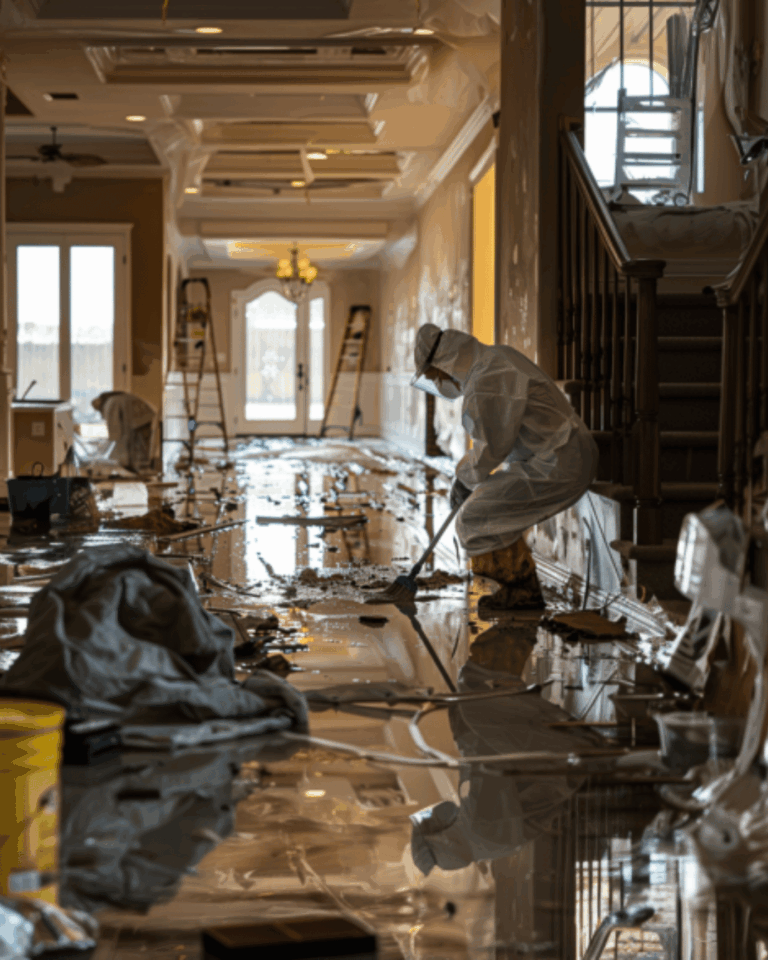
These steps help reduce damage and improve your chances of a smooth repair process. They also support property safety, which should always be your top priority. Visualize water like a spreading stain. It does not stay in one place. It travels through walls, floors, and ceilings. Acting fast stops it from reaching other parts of your home.
When To Call A Restoration Professional
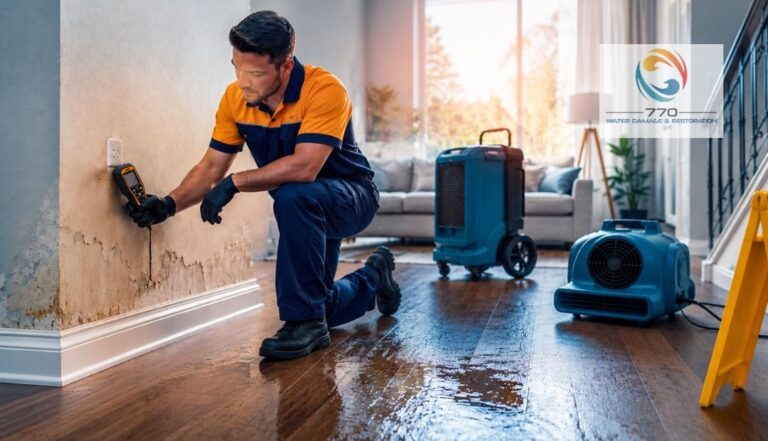
Many homeowners wonder when it is time to call for help. If the damage is more than a small surface issue, it is best to bring in experts. Water can hide behind walls and under floors, making it hard to fully dry without proper tools.
If you notice any of the following, call a professional right away:
- Water covering a large area
- Persistent moisture after cleanup
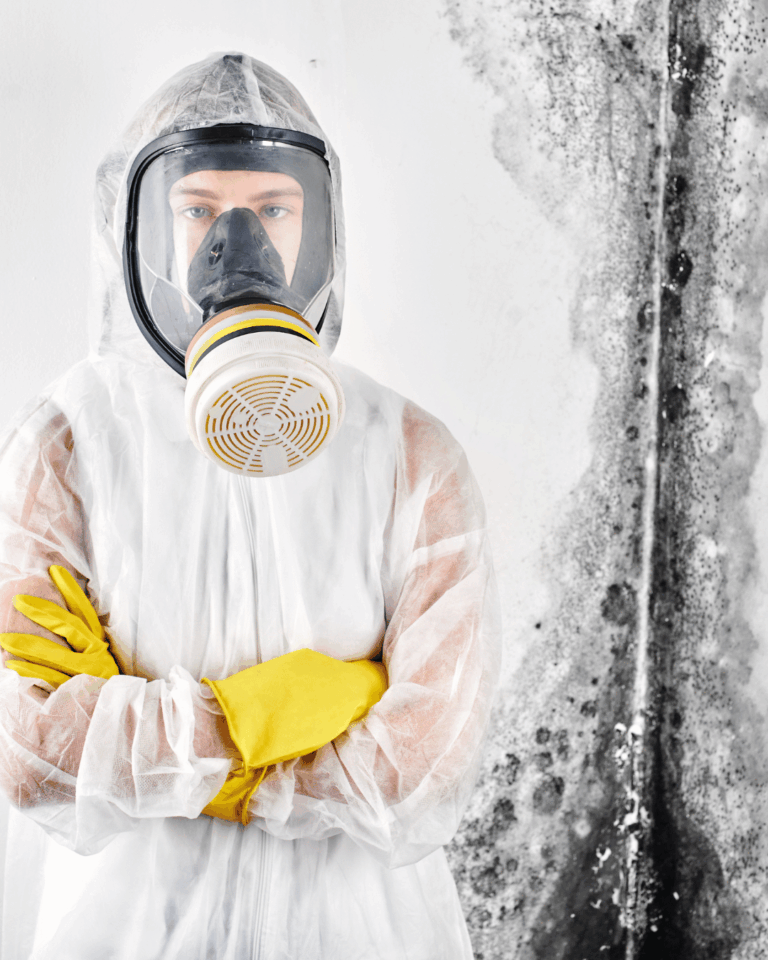
- Mold smell or visible growth
- Damage to ceilings or floors
- Multiple rooms affected
Services likeWater Damage Restoration Los Angeles are designed to handle both visible and hidden damage. They use special equipment to remove moisture and restore your home safely. In a busy place like Los Angeles, getting fast help can make a big difference. Delays can lead to higher repair costs and more damage.
Preventing Future Damage
While not all emergencies can be avoided, many can be reduced with simple habits. Regular checks and maintenance go a long way in protecting your home.
Here are easy ways to prevent future issues:
- Inspect pipes and faucets regularly
- Check your roof after heavy rain
- Clean gutters to avoid water buildup
- Look for early signs of leaks
- Fix small problems before they grow
These small actions can help you avoid major repairs later. They also reduce the chances of dealing with sudden leaks again. Being prepared also helps you respond faster. Knowing where your shut-off valve is and having basic tools ready can save valuable time during an emergency.
Stay Prepared And Take Control Of Home Emergencies
Home emergencies can happen when you least expect them. A leak, a crack, or a sudden structural issue can quickly turn into a stressful situation. But with the right knowledge, you can take control and protect your home.
Acting fast, staying calm, and knowing when to ask for help are the keys to handling these situations. Whether you are dealing with water damage or structural concerns, quick action can prevent bigger problems.
The most effective emergency home repairs are the ones that address the root of the problem, not just the surface. By following the steps in this guide, you can keep your home safe, reduce damage, and feel more prepared for whatever comes your way.