
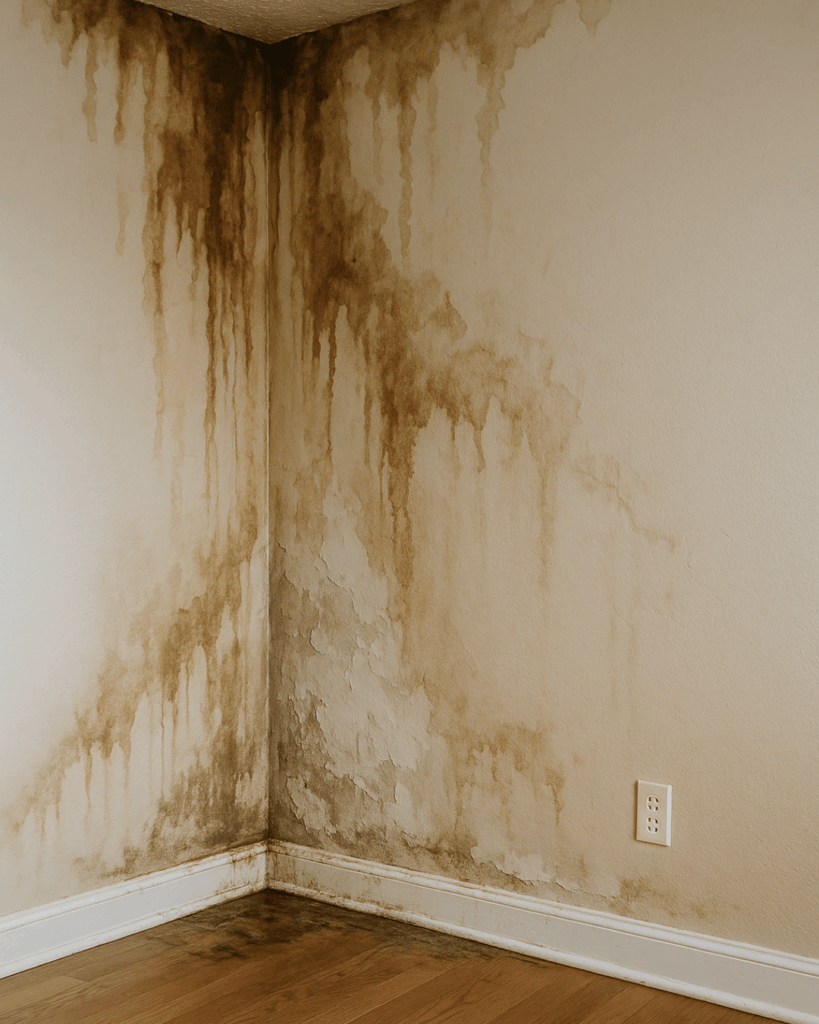
Why Home Moisture Problems Should Never Be Ignored
A small water problem rarely stays small for long. It often starts with something easy to miss: a damp smell under the sink, soft paint near a window, fog on the glass every morning, or a musty corner in the garage. At first, it seems harmless. Life gets busy, and many homeowners tell themselves they will deal with it later. Then later turns into warped baseboards, stained drywall, swollen wood, moldy insulation, and expensive repairs hidden behind the walls. Effective home moisture control is essential to prevent these issues from escalating.
That is why moisture matters so much in a home. Water does not need a flood to do damage. Even a slow drip, trapped humidity, or poor airflow can weaken the parts of a house that keep it safe and strong. Over time, moisture can lead to peeling paint, wood rot, cracked caulk, damaged flooring, and even trouble with framing. In places like Encino, where indoor comfort matters year-round, keeping the inside of a home dry is one of the smartest ways to protect both property and peace of mind. Implementing home moisture control strategies is crucial for maintaining a healthy living environment.
Many people only think about leaks after a major storm or plumbing break. But long-term moisture problems are often more sneaky than dramatic. They hide in crawl spaces, behind bathroom walls, under kitchen sinks, around windows, and in laundry areas. If those spaces stay damp, the damage can spread quietly. That is whereprofessional water damage help becomes important, especially when signs of water trouble have already started to show.
Understanding How Moisture Damages A Home
Think of moisture like a warning light in a car. You can ignore it for a while, but that choice usually costs more later. A healthy home stays dry, breathes well, and moves water away from the structure instead of trapping it inside. Good habits, regular checks, and fast response can stop a small issue before it grows into a major repair bill.
For effective home moisture control, it’s important to regularly inspect areas prone to dampness and address any signs of water intrusion promptly.
One of the first things homeowners should understand is that moisture comes from more than one source. It can come from outside through rain, poor drainage, cracked stucco, roof trouble, or gaps around doors and windows. It can also come from inside through showers, cooking, drying clothes, leaking pipes, or everyday humidity. When too much damp air sits indoors, it creates the perfect setting for condensation issues on cold surfaces. That moisture can collect on glass, metal vents, and even inside walls where you cannot see it.
Common Signs Of Hidden Water Trouble
A simple routine can go a long way. Walk through your home once a month and look for these warning signs:
- Bubbling paint or wallpaper
- A musty or earthy smell
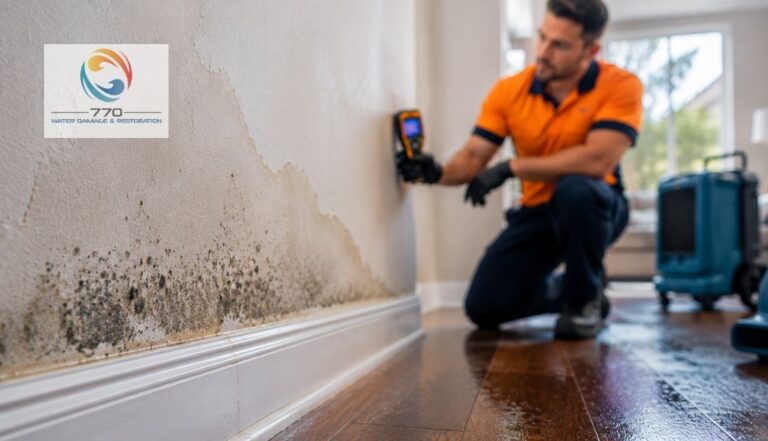
- Dark spots on ceilings or corners
- Soft or swollen wood
- Loose tiles near tubs or sinks
- Damp carpet edges
- Water stains near windows
- Repeated condensation issues in the same room
These clues may look small, but they often point to a larger moisture pattern. The good news is that homeowners can do a lot to reduce the risk.
Indoor Areas That Collect Moisture Fast
Start with the areas that create the most indoor humidity. Bathrooms, kitchens, laundry rooms, and basements are common problem zones. After a hot shower, run the exhaust fan long enough to clear the steam. When cooking, use the range hood if it vents outside. Do not let wet towels pile up on the floor. Check behind the washing machine for drips and make sure the dryer vent is clear and pointed outside the home. These basic habits help with home moisture control in a way that feels easy and manageable.
Smart Home Moisture Control Habits That Prevent Damage
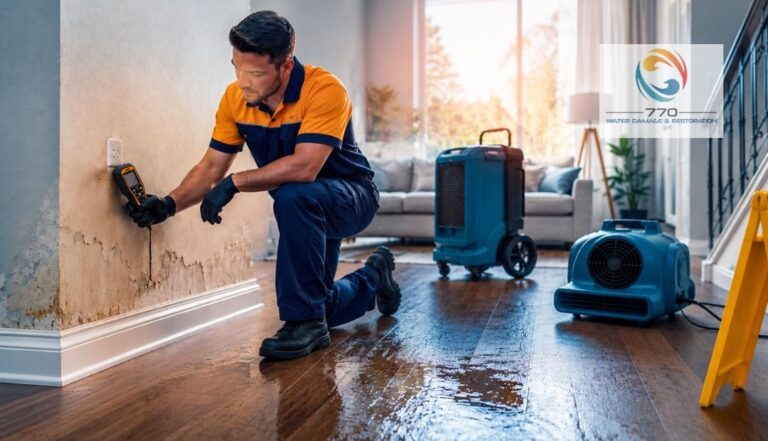
Another smart step is watching indoor humidity levels. If the air feels sticky, smells stale, or leaves surfaces damp, your home may be holding too much moisture. This is where dehumidifier use can make a real difference. In rooms that stay damp, a dehumidifier helps pull extra water from the air so it does not settle into walls, fabric, and wood. Good dehumidifier use is especially helpful in lower levels, storage rooms, and other spaces with weak airflow.
Drainage outside the home matters just as much as what happens indoors. Rainwater should move away from the house, not toward it. Gutters should be clean and downspouts should send water far enough away from the foundation. Soil should slope away from the home so water does not sit near the base of the structure. If puddles form near exterior walls after rain, that is a sign the drainage needs attention.
Windows, Doors, And Other Overlooked Entry Points
Windows and doors also deserve close attention. Worn seals and cracked caulk let water and humid air slip inside. Once that moisture gets in, it can sit behind trim, damage drywall, and create hidden decay. Resealing these openings is a low-cost task that can prevent a much bigger problem later. In warmer neighborhoods like Encino, strong sunlight can dry surfaces quickly, but that does not always solve trapped moisture inside wall cavities or under flooring.
Surface Dryness Vs Deep Structural Dryness
It also helps to understand the difference between a quick dry surface and a truly dry structure.
Term
: What it means
Surface dryness
: The top layer feels dry to the touch, but moisture may still be trapped below
Deep structural dryness
: Framing, insulation, subfloor, and hidden materials are also dry
Humidity control
: The air inside the home stays balanced and does not keep feeding damp areas
This difference matters because many homeowners stop too soon. They wipe up water, open a window, and assume the problem is gone. But hidden moisture is often the part that causes the most expensive damage.
Hidden Moisture Trouble Spots You Should Check
Some of the biggest moisture trouble spots are the ones people forget to check. Here are a few of them:
- Under bathroom sinks where small leaks stay hidden
- Around toilet bases where seals can fail slowly
- Behind refrigerators with water lines
- Around dishwashers where tiny drips damage cabinets and subfloors
- Inside closets on exterior walls with weak airflow
- In attics where roof leaks may only show after storms
- Near HVAC systems where drain lines can clog
If you have ever walked into a room and felt that heavy, damp feeling in the air, trust that instinct.
How Dehumidifier Use Helps Protect Your Home
Good airflow is another part of prevention that people often overlook. Air needs to move through the home so damp pockets do not settle in hidden areas. Furniture pushed tightly against outside walls can trap moisture. Packed closets can do the same. Leaving some breathing room, using fans when needed, and keeping vents open can help reduce moisture buildup. These simple steps support home moisture control without making daily life harder.
Regular dehumidifier use in problem areas can also help stabilize humidity levels and protect materials like wood, fabric, and drywall from long-term damage.
Roof And Plumbing Maintenance Tips
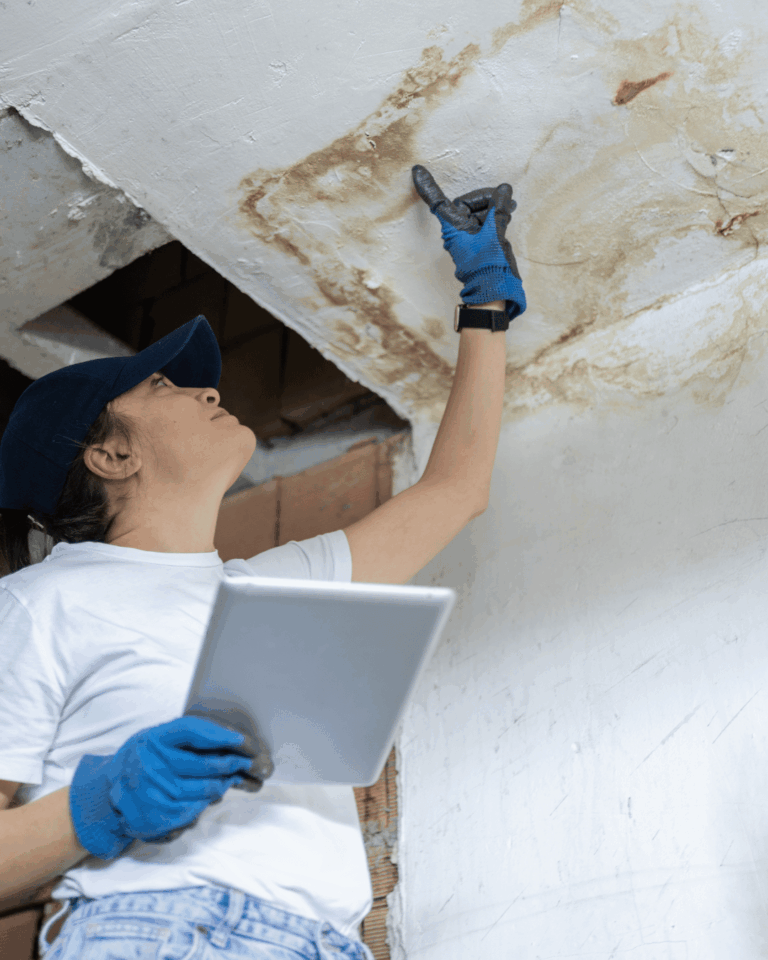
Roof care is also part of the story. Missing shingles, cracked flashing, or clogged valleys can let water enter slowly. Often, homeowners do not notice until they see a ceiling stain. By then, the insulation and wood above may already be wet.
Plumbing deserves the same level of attention. A pipe does not have to burst to cause trouble. A slow leak under pressure can soak wood over weeks or months.
Watch for these signs:
- Unexplained water sounds
- Sudden increase in water bills
- Damp cabinets or floors
- Mineral buildup on pipes
Simple Maintenance Routine Every Homeowner Should Follow
For many homeowners, the easiest way to stay ahead of damage is to build a simple prevention routine:
- Check sinks, toilets, and appliances once a month
- Clean gutters and downspouts regularly
- Seal gaps around windows and doors
- Use exhaust fans during showers and cooking
- Keep indoor humidity at a healthy level
- Inspect the attic and basement after major weather
- Fix leaks right away
- Practice steady dehumidifier use in problem rooms
This kind of routine keeps your home safe without adding stress to your daily life.
When To Call A Water Damage Restoration Professional
It is also important to remember that moisture damage can affect more than wood and drywall. It can impact flooring, cabinets, stored items, paint finishes, and even the smell of the entire house. Once moisture settles in, it can make a clean home feel old and neglected.
If damage has already spread, many residents in Encino turn toWater Damage Restoration Encino services when they need trained help locating, drying, and repairing affected areas before structural problems get worse.
Protecting Your Encino Home For The Long Term
In Encino, homeowners often focus on comfort, value, and long-term protection. Moisture control connects to all three. A home with hidden water damage can lose value quickly, especially if stains, odors, or warped materials become visible during an inspection. Imagine a family noticing a faint stain near the hallway ceiling. They ignore it because it seems small. Weeks later, the stain grows, and the paint starts to bubble. Soon they find out a slow roof leak has soaked insulation and part of the framing. What could have been a simple fix becomes a larger repair project.
The best approach is to act early, even when the signs seem minor. Whether the source is indoor humidity, poor drainage, a leaking pipe, or repeated condensation issues, fast action leads to better results. Tips on how to reduce humidity in house include using humidity control systems effectively.
In the end, home moisture control is one of the most practical ways to prevent costly structural problems. It protects your home, supports a healthier indoor space, and helps avoid expensive repairs. A few simple habits today can save thousands tomorrow. Stay alert, fix problems early, and keep your home dry, safe, and strong for years to come.