
Why Your Sump Pump Maintenance Matters More Than You Think
A dry basement gives you peace of mind. It protects your home, your storage, your floors, and everything else you keep below ground level. But when heavy rain hits or groundwater starts to rise, one small machine often stands between your home and a major mess. That machine is your sump pump.
Many homeowners do not think much about it until something goes wrong. By then, the water may already be on the floor, soaking boxes, damaging walls, and creating a damp smell that stays around for days. In places like Malibu, where homes can face changing weather, coastal moisture, and sudden water issues, taking care of your sump pump is a smart part of home care. It is also one of the easiest ways to lower the risk of expensive water damage.
If you ever need help from trusted water damage experts, it helps to know what may have caused the problem in the first place. A sump pump does not ask for much, but it does need regular attention. A few simple checks can help you catch small problems before they turn into large repairs.
Think of your sump pump like a safety guard for your basement. It sits quietly in the background. Most of the time, you barely notice it. But when water starts to collect, it has an important job to do, and it needs to be ready.
Your Essential Sump Pump Maintenance Checklist for Homeowners – A Guide to Sump Pump Maintenance
A good checklist keeps things simple. You do not need to be a plumber to inspect your sump pump. You just need a little time, a flashlight, and a clear idea of what to look for. Start with a quick visual check. Open the sump pit cover if you have one, and look inside.
Incorporating regular sump pump maintenance into your home care routine can save you from potential disasters. Regular sump pump maintenance is key to a healthy home. Make it a priority in your home care routine.
By committing to sump pump maintenance, homeowners can prevent costly repairs and ensure a dry basement. Understanding sump pump maintenance is crucial for every homeowner to protect their property from water damage. Incorporating regular sump pump maintenance into your home care routine can prevent costly repairs and ensure a dry basement.
Start With A Simple Visual Inspection
- Is the pump sitting upright
- Is there dirt, gravel, or debris in the pit
- Does the power cord look secure and undamaged
- Is there any sign of rust or corrosion
- Does the pit smell musty or dirty
If the pump has shifted or tipped, that alone can affect how it works. If the pit is full of mud or small stones, the float switch may get stuck. If the cord is loose, the unit may lose power without warning.
A clean sump pit gives your pump the best chance to work when you need it most. This basic habit is one of the easiest parts of sump pump maintenance, and it can make a big difference during storm season.
How To Test Your Sump Pump The Right Way
Next, test the pump with water. This is one of the most helpful things a homeowner can do. Slowly pour a bucket of water into the pit. As the water level rises, the float should lift, and the pump should turn on. The water should then drain out quickly.
While you test it, pay attention to these details:
- Did the pump turn on at the right time
- Did it make any strange sounds
- Did it remove the water fast enough
- Did it shut off after the water dropped
If the answer is no to any of those, your pump may need cleaning or repair.
Make Sure Water Flows Away From Your Home
This is also the right time to check the discharge line. The discharge line carries water away from your house. If that line is blocked or cracked, the pump may run but still fail to keep your basement dry. Walk outside and find where the water exits. Make sure the opening is clear and that the water is being directed away from the foundation.
That outside line is part of your home’s larger drainage system, and it should stay open all year. Leaves, dirt, and even small nests can block it. If water cannot move out freely, the pump has to work harder than it should.
Don’t Forget The Check Valve
Many homeowners forget to inspect the check valve. This valve keeps water from flowing backward into the pit after it has been pumped out.
A quick checklist for the check valve:
- Make sure it is installed in the correct direction
- Listen for unusual noise when the pump shuts off
- Check for visible leaks
- Replace it if it looks worn out
Ensure Reliable Power And Backup Protection
It also helps to test the power source. Plug the pump into a working outlet. If your pump shares a circuit with other appliances, that may increase the chance of power issues. Even better, check whether you have a battery backup system. During strong storms, the power can go out just when your pump is needed most. A backup system can keep it running and support strong basement protection, especially for homes in Malibu.
Keep Your Pump Clean For Better Performance
Another key step is cleaning the inlet screen. Over time, dirt can build up and slow the flow of water.
To clean it safely:
- Unplug the pump
- Remove it carefully
- Wipe away dirt
- Rinse with clean water
- Place it back securely
This simple task helps the unit run smoothly and supports proper sump pump maintenance.
How Often Should You Check Your Sump Pump
A good rule is to inspect the pump every three to four months and always before the rainy season. A deeper inspection once or twice a year is even better. This routine helps reduce surprise problems and improves long term basement protection.
Early Signs Your Sump Pump Needs Attention
- The pump runs nonstop
- It turns on and off too often
- It makes loud noises
- It fails to remove water quickly
- It looks worn out
Any of these can lead to pump failure if ignored.
What Happens When A Sump Pump Fails
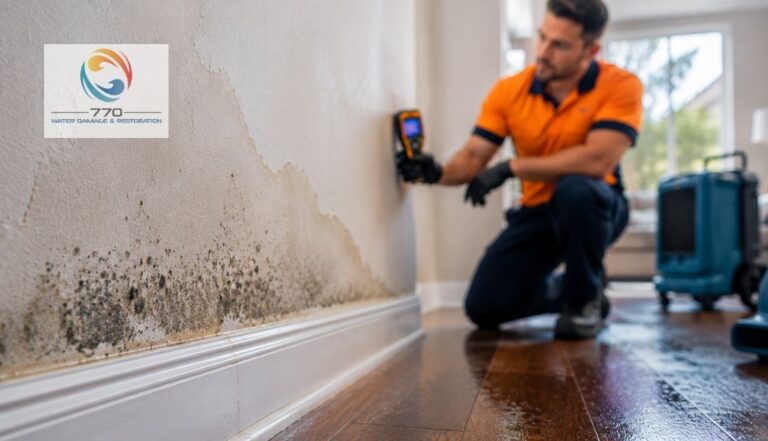
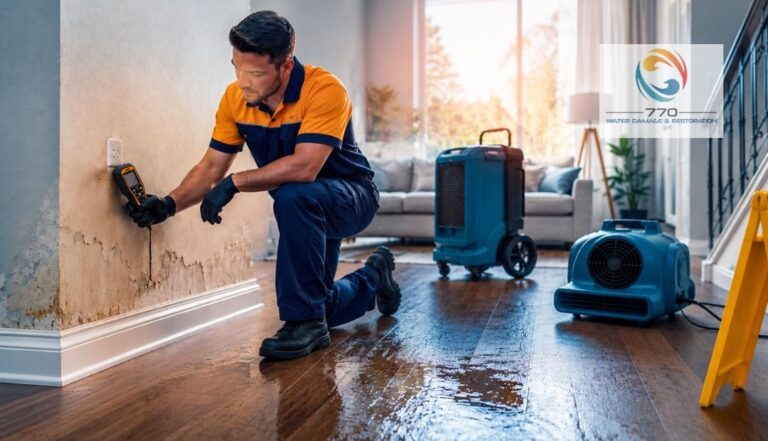
Picture a common situation. A family stores boxes, tools, and furniture in the basement. Everything seems fine. Then one night, after steady rain, the sump pump does not start. By morning, water has spread across the floor. Boxes collapse. Items get soaked. Walls begin to absorb moisture. That is why sump pump maintenance matters. It is not just about the machine. It is about what the machine protects.
Protecting Your Basement From Costly Damage
A strong habit of sump pump maintenance helps lower the risk of moisture, mold, and costly repairs. It also supports a healthier home. When your system works well, you avoid stress, damage, and expensive cleanup jobs.
How Your Home’s Drainage System Supports Your Pump
Your sump pump does not work alone. Gutters, soil, and yard slope all play a role.
Here are simple ways to help your drainage system:
- Clean gutters regularly
- Extend downspouts away from your home
- Make sure the ground slopes away from the foundation
- Fix cracks where water can enter
These steps reduce pressure on your pump and improve overall performance.
Extra Safety: Alarms And Smart Monitoring
If you travel often, a sump pump alarm can help. Some alarms sound when water gets too high. Others send alerts to your phone. These tools give you time to act before damage spreads. If damage has already happened, Water Damage Restoration Malibuservices can help homeowners respond quickly and limit further issues.
A Simple Seasonal Maintenance Routine
Spring
- Test the pump
- Clean the pit
- Check the discharge line
Summer
- Look for wear
- Remove debris
Fall
- Prepare for rain
- Check all parts
Winter
- Watch for blockages
- Listen for unusual sounds
Should You Repair Or Replace Your Sump Pump
Most sump pumps last around 7 to 10 years. If your unit is older, replacement may be safer than repair. A newer pump can offer better performance and added features, but it still needs proper sump pump maintenance to stay reliable.
Quick Sump Pump Maintenance Checklist You Can Follow Anytime
- Check that the pump is upright
- Remove debris from the pit
- Test the float switch
- Listen for noise
- Inspect the screen
- Check water flow
- Inspect the discharge line
- Check the valve
- Test power supply
- Confirm backup power
- Look for wear
Stay Prepared And Keep Your Basement Dry
A safe and dry basement starts with simple habits. Regular sump pump maintenance can protect your home, your belongings, and your peace of mind. For homeowners in Malibu, staying prepared is key. Weather and moisture can change quickly, but your response does not have to. With a little effort and routine care, your sump pump will be ready when you need it most. Take the time today to check your system. It is a small step that can prevent a big problem tomorrow.